
Introduction
Do you remember the first time you read a book that made you forget the world around you? For millions of readers, The Maze Runner did exactly that. The story of Thomas waking up in a mysterious Glade with no memory, surrounded by towering stone walls and a deadly maze, hooked readers from page one. It sparked questions about identity, survival, and trust. More than a decade later, its blend of dystopian tension and sci-fi mystery still draws in new fans. The series has sold millions of copies and inspired blockbuster movies, proving how powerful an immersive story can be.
Yet here in 2026, many of us feel disconnected in a different way. We scroll endlessly through short videos and shallow posts. Our brains crave something deeper. Something that makes us think, feel, and maybe even laugh out loud. That’s where sci-fi adventure books shine. They give us a world to get lost in while also offering real lessons about courage, friendship, and growth.

That’s why we put together this list of 11 sci-fi adventure books for fans of The Maze Runner. Each one delivers a gripping plot full of surprises. But they also offer something more: a chance to rediscover the joy of reading, to find community through shared stories, and to laugh at the absurdity of it all. Whether you miss the fast-paced survival of the Gladers or just want a fresh escape from daily stress, these books will pull you in.
Explore The Books for a sci-fi adventure that turns reading into a playful, participatory experience.
Ready to find your next great read? Let’s start with the first book on our list.
You wake up one day in a cold, dark elevator. The only thing you remember is your name. That is how The Maze Runner by James Dashner begins. Thomas finds himself in the Glade, a small patch of green surrounded by giant stone walls. Beyond those walls lies a maze that changes every night, and nobody knows who built it or why. The boys who live there have built a community to survive. They farm, cook, and try to solve the maze. But nothing prepares them for Thomas, whose arrival sets off a chain of dangerous events.
The story is more than a survival thriller. It explores memory, identity, and what happens when a group has to work together under pressure. The Gladers face fear, loss, and hard moral choices. For example, the story forces readers to ask whether hurting a few people is okay to save many. These questions about right and wrong give the book a layer of depth beyond the action. According to the official Maze Runner series page, the truth WICKED hides is terrifying, and the only way to survive is to never stop running.
So why does this book still connect with readers in 2026? Because it mirrors how many of us feel today. We live in a confusing world full of digital noise and shallow content. We sometimes feel lost, like Thomas, searching for purpose. The Gladers prove that even without answers, you can find meaning by helping others and working together.

The series became a cultural touchstone because it gives young adults an adventurous escape while also validating their struggles with anxiety and self-doubt.
If you are ready for a story that blends action with big ideas, start with the original Maze Runner book. And if you want a sci-fi experience that adds humor and participation, Explore The Books for a fun, thoughtful twist on the genre.
2. The Hunger Games by Suzanne Collins – A Battle for Hope
Another book that pairs action with big ideas is The Hunger Games by Suzanne Collins. Katniss Everdeen lives in Panem, a country where a rich Capitol controls twelve poor districts. Every year, the Capitol forces each district to send one boy and one girl to fight to the death on live TV. Katniss volunteers to save her little sister and enters the arena knowing she might not come back.
The story hits hard because it is about real problems. Inequality, media manipulation, and the loss of personal freedom are not just fiction. In 2026, many people feel stuck in systems that seem rigged against them. We watch endless news cycles and scroll through social media that feels built to keep us angry or numb. Katniss shows us what it looks like to push back. She refuses to be a puppet, even when the cameras are on her.
This is why the series still connects. It gives voice to the anger and sadness so many of us carry. It also shows that hope is not passive. Hope means finding others who believe the same things and standing together. The districts in Panem start to rebel because one girl sparked a fire. The Hunger Games reminds us that small acts of courage can lead to real change.
If stories like this make you want to connect with a community of readers who think deeply about hope and resistance, consider joining a newsletter that shares book updates and conversations about meaningful fiction. Join The Newsletter to stay part of the discussion and discover more titles that challenge the way you see the world.
3. Divergent by Veronica Roth – Choosing Your Identity
If The Hunger Games speaks to our anger at unjust systems, Divergent by Veronica Roth speaks to a more personal question: who are we meant to become? Beatrice Prior lives in a Chicago divided into five factions, each built around a single virtue.
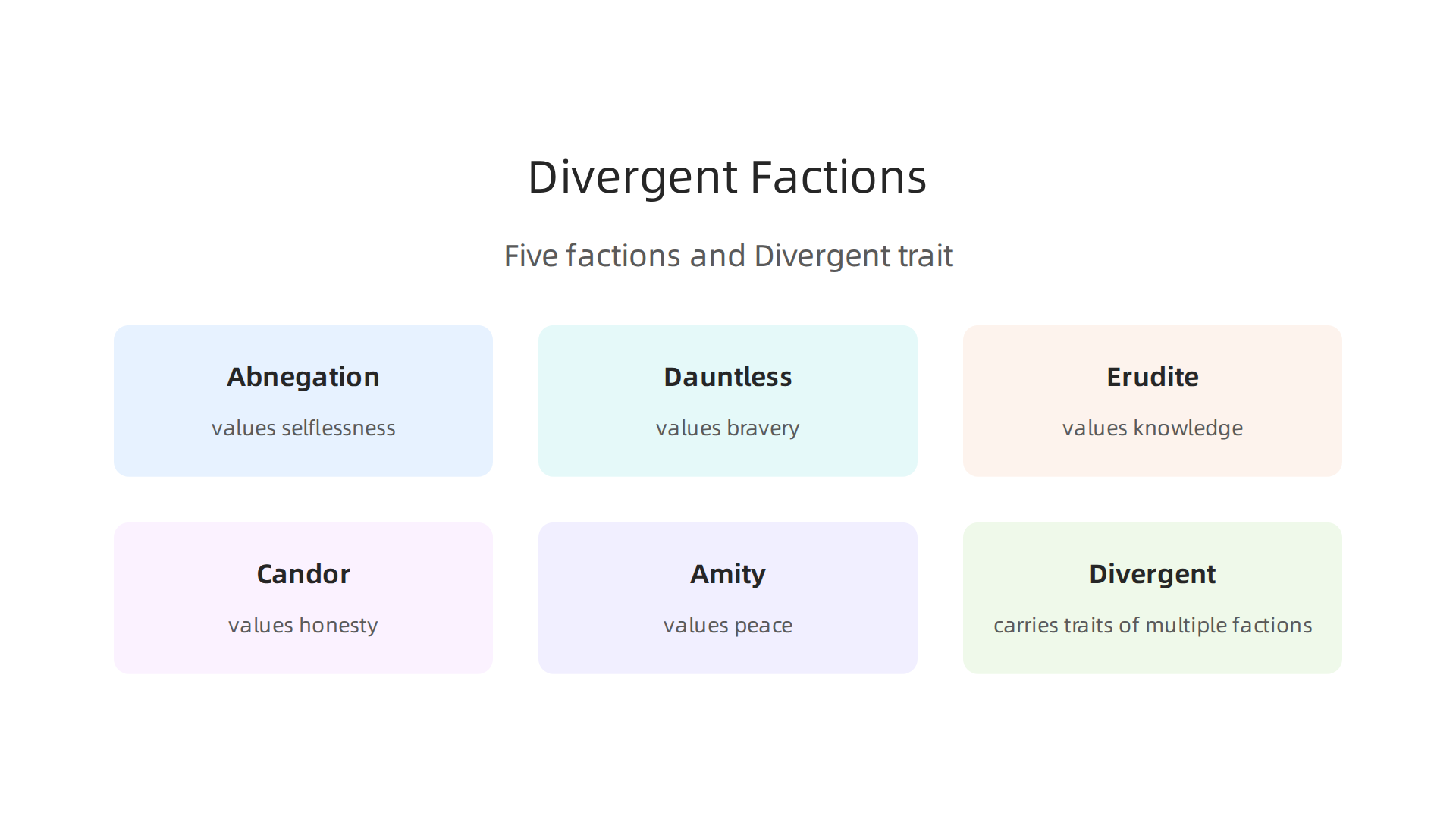
Abnegation values selflessness. Dauntless values bravery. Erudite values knowledge. Candor values honesty. Amity values peace. When Beatrice turns sixteen, she must choose one faction to join for life. The choice will define her identity, her friends, her future.
The moment of choosing is the heart of the book. Beatrice stands before a set of bowls, each holding a symbolic element. She can stay with her family in Abnegation or step into the unknown. This is not just a plot point. It is a mirror for every reader who has ever felt trapped by expectations. The book asks: what if the label you were given at birth is not the one that fits you?
Beatrice chooses Dauntless, the faction of bravery, but she does not fit neatly there either. She is Divergent, meaning she carries traits of multiple factions. That label makes her a threat to the system. The story shows that being hard to categorize is a strength, not a weakness. For readers in 2026 struggling with self-doubt or pressure to pick a single path, this message is powerful. The series has sparked countless conversations among fans about identity and belonging, and it stands as one of the most compelling thrilling sci-fi young adult novels for its emotional depth.
If you are ready to explore who you could become and join a community that experiments with courage and creativity, Join An Experiment.
4. Ender’s Game by Orson Scott Card – Strategic Genius and Moral Dilemmas
While Divergent focuses on choosing who you are, Ender’s Game asks a different question: what happens when you are chosen for a purpose you did not ask for? Ender Wiggin is a child prodigy sent to a military training school to prepare for war against an alien species called the Formics. The story pulls you into a world of battle rooms, zero-gravity fights, and psychological tests. But beneath the action lies a deep moral puzzle.
Ender is smart, but he is also empathetic. He has to win battles while wrestling with the cost of victory. The book forces readers to think about leadership, empathy, and the weight of our choices. You cannot help asking yourself: would I have done the same? This is why Ender’s Game has become a favorite among tech-savvy teens and young adults. It speaks to people who love strategy, problem solving, and tough ethical questions. The book does not give easy answers. Instead, it invites you to sit with the discomfort.
If you enjoy the strategic challenges in Ender’s Game, you might also appreciate the survival puzzles in The Maze Runner book series. Both stories push characters to use their wits under pressure. And both remind us that actions have real consequences.
For readers who want a different kind of sci-fi experience one that mixes deep questions with laughter and participation, there is a funny, thoughtful series that flips the genre on its head. If you are ready for a fresh perspective, Explore The Books and see how creativity and curiosity can turn a serious universe into a playground.
5. Dune by Frank Herbert – Epic World-Building and Ecological Wisdom
From the moral puzzles of Ender’s childhood battles, we move to a universe built on sand, spice, and power. Dune by Frank Herbert is more than a science fiction story. It is a deep dive into ecology, politics, religion, and human survival. The story follows Paul Atreides as his family takes control of the desert planet Arrakis. That planet is the only source of a precious substance called melange, which extends life and enables space travel. But control comes at a steep price.
What makes Dune stand out is its incredible world-building. Every detail matters. The water-conserving stillsuits, the giant sandworms, the complex relationships between noble houses. Herbert creates a planet that feels alive and dangerous. Readers do not just observe Arrakis. They feel its heat, its scarcity, and its power. This kind of depth is why classics like this are often named among The Best Science Fiction & Fantasy Books of all time.
Dune challenges you to think about resources and power in new ways. It asks how far people will go to protect what they have. It also shows how ecology shapes culture. In a world where water is more valuable than money, every action has a ripple effect. This kind of deep thinking is similar to what you find when you read The Maze Runner book, where survival depends on understanding a mysterious environment. And just like Holes by Louis Sachar, Dune uses a harsh setting to reveal character and purpose.
For many readers, Dune is a book that teaches you how to read a book with multiple layers. Each chapter reveals politics, history, and philosophy. It rewards patience and curiosity. The politics feel like a complex board game, reminding you of good free games that require strategy and foresight. It also works as an icebreaker book for discussions about ecology and power.
If you love worlds that feel real and questions with no easy answers, this series is for you. And if you want to join a community that celebrates these kinds of deep, imaginative experiences and turn your own curiosity into action, consider Join The Newsletter for updates on books, experiments, and creative challenges.
6. Ready Player One by Ernest Cline – Virtual Reality Adventure and Nostalgia
From the sand-swept politics of Arrakis, we jump straight into a digital playground. Ready Player One by Ernest Cline drops you into a grim future where most people escape reality by logging into the OASIS. This vast virtual world is a mix of video games, social media, and online school. The main character, Wade Watts, spends most of his time there hunting for a hidden Easter egg left by the OASIS creator. Find the egg, and you win control of the entire universe.
What makes this book special is how it turns reading into a game. Wade solves puzzles based on 1980s pop culture. Movies, music, video games, and old arcade classics. Readers who grew up with those references feel like they are solving the clues right alongside him. Even if you are not a child of the 80s, the thrill of the hunt pulls you in. The book appeals to anyone tired of just watching stories happen. It gives you a sense of active participation. That same feeling of solving puzzles is part of what makes The Maze Runner book so gripping. Both books drop characters into a closed world where every clue counts. And like Holes book, the past holds the key to the present.
But Ready Player One does more than celebrate nostalgia. It asks a hard question: is it healthy to live your whole life inside a simulation? Wade finds that real connections, real adventures, and real meaning happen when you take off the headset.

This theme makes the book a great icebreaker book for conversations about technology, addiction, and what matters most.
If you want to feel like you are inside the OASIS yourself, try reading the book while listening to the audiobook. That method, called immersion reading, uses both your eyes and ears at the same time. Research shows that combining visual and auditory input can boost memory and understanding. You can learn more about immersion reading benefits to see if it fits your style.
The book also reminds me of good free games where strategy and exploration drive the fun. The OASIS itself is full of free games and hidden levels.
If Ready Player One makes you want to jump into a world where your participation matters, you are ready for the next step. Why not turn your curiosity into real action? Join a fun, creative experiment where you can solve challenges, share discoveries, and connect with others. Join An Experiment and start playing for real.
7. The Martian by Andy Weir – Science Meets Survival
From the digital playground of the OASIS, we move to a very different kind of survival story. The Martian by Andy Weir drops astronaut Mark Watney alone on Mars after his crew leaves him behind thinking he is dead. He has no way to communicate with Earth and only limited supplies. The whole planet wants to kill him. But Watney does not panic. He starts solving problems with math, chemistry, and a lot of dark humor.
What makes this book special is how it turns science into entertainment. Watney figures out how to grow food in Martian soil, create water from rocket fuel, and fix broken equipment using only what he has on hand. Each chapter is a new puzzle. Readers who love logic and DIY spirit feel right at home. You watch him think through each problem step by step. And you learn real science along the way without feeling like you are in a classroom.
The book also has a surprisingly upbeat tone. Watney never gives up. He cracks jokes, complains about 70s disco music, and keeps moving forward. That optimism makes The Martian a great icebreaker book for conversations about resilience, creativity, and the power of staying calm under pressure.
If you enjoy books where the main character uses their brain to beat impossible odds, this one will hook you. And if The Martian made you love smart, funny survival stories, you will enjoy another optimistic adventure. Explore The Books and discover a universe built on laughter and creativity.
8. Red Rising by Pierce Brown – Dystopian Revolution and the Power of Community
From a lone astronaut on Mars, we jump to a very different kind of red planet story. Red Rising by Pierce Brown follows Darrow, a member of the lowest caste called the Reds. He works in deadly conditions digging tunnels for what he thinks is a better future for humanity. But he soon learns the truth. The ruling Golds have been lying for generations. So Darrow does something bold. He undergoes a painful transformation to look like a Gold and infiltrates their elite society from the inside. His goal? To tear down the system from within.
What makes this book hit hard is not just the action. It is the deep sense of community. Darrow cannot do it alone. He builds bonds with other rebels who share his pain and his mission. They fight together, bleed together, and make huge sacrifices for each other. That teamwork feels real. It mirrors how actual change happens in the world. No one person topples a corrupt regime. It takes a network of people who trust each other and move as one.

This is why Red Rising has built such a loyal fan base. Readers do not just follow a story. They argue over strategy, debate moral choices, and cheer for characters who feel like friends. The book grips you because it asks big questions about loyalty, justice, and what we owe each other. If you loved the fast-paced rebellion in the maze runner book, you will feel right at home here. It is also a fantastic icebreaker book for talking about class, power, and what we would risk for freedom.
Reading a book like this does more than entertain. It gives you a sense of belonging. Research shows that reading stories about people working together can help you feel less alone and more connected to others. That is one of the many reasons reading matters for your wellbeing.
If this kind of world building and community spirit excites you, there is a whole universe of playful, rebellious stories waiting. Join The Newsletter to get updates on books, experiments, and ways to be part of something bigger than just a page.
9. The Ridiculous – Laughter, Curiosity, and Perspective in Space
After the heavy rebellion of Red Rising, you might want something lighter. Something that still takes you to space but makes you laugh along the way. That is where The Ridiculous comes in.
This sci-fi comedy series does something rare. It uses absurdity and humor to tackle the very real feelings of self-doubt and anxiety that so many of us carry. Instead of a grim battle for survival against a corrupt empire, the main character faces a different kind of enemy: his own fear and hesitation. The story reframes curiosity as a superpower. It treats laughter not as an escape but as a tool for gaining perspective.
Here is the thing. A lot of dystopian books can leave you feeling drained. They are powerful, yes. But they can also add to that heavy feeling in your chest. The Ridiculous gives you a break. It is the kind of story you reach for when you need to remember that life does not have to be so serious all the time. It encourages you to laugh at your own limits and try things you never thought you would.
This makes it a perfect icebreaker book for readers who usually stick to darker stories. And if you loved the fast-paced survival in the maze runner book, you will enjoy how The Ridiculous turns survival into something playful and weird. It reminds me of reading the holes book as a kid, where everything connects in surprising ways and the real treasure is the journey itself.
It also works like a game. Not one of those good free games you scroll through to pass time. A game where the real reward is a new way of seeing yourself.
If you are looking for a story that swaps doom scrolling for actual joy, this is a great pick. Readers searching for sci-fi with actually good humor will find plenty to love here.
Explore The Books to see how laughter and curiosity can change everything.
10. The Power of Book Communities – Shared Reading Experiences
Reading does not have to be a solo activity. You can enjoy a book by yourself, sure. But sharing that experience with others makes it even better. Think about a book like the maze runner book. It raises so many questions about survival, trust, and teamwork. When you talk about it with a group, you see things you missed. You hear different points of view. That is the magic of book communities.
Book clubs, online forums, and reading challenges turn a quiet hobby into a social one. Research shows that The Benefits of Recreational Reading go far beyond personal enjoyment. When you discuss what you read, you practice empathy. You learn to understand people who are different from you. You also build stronger connections with the people in your group. This is a great way to fight loneliness.
Shared reading experiences also spark creativity. You might finish a story and think, "What would I do if I were that character?" Talking about those what-ifs with others leads to new ideas. It can even inspire you to write, draw, or create something of your own. Reading with others helps you feel a sense of support and belonging that you might not get from reading alone.
So how do you get started? Here are a few simple ideas:
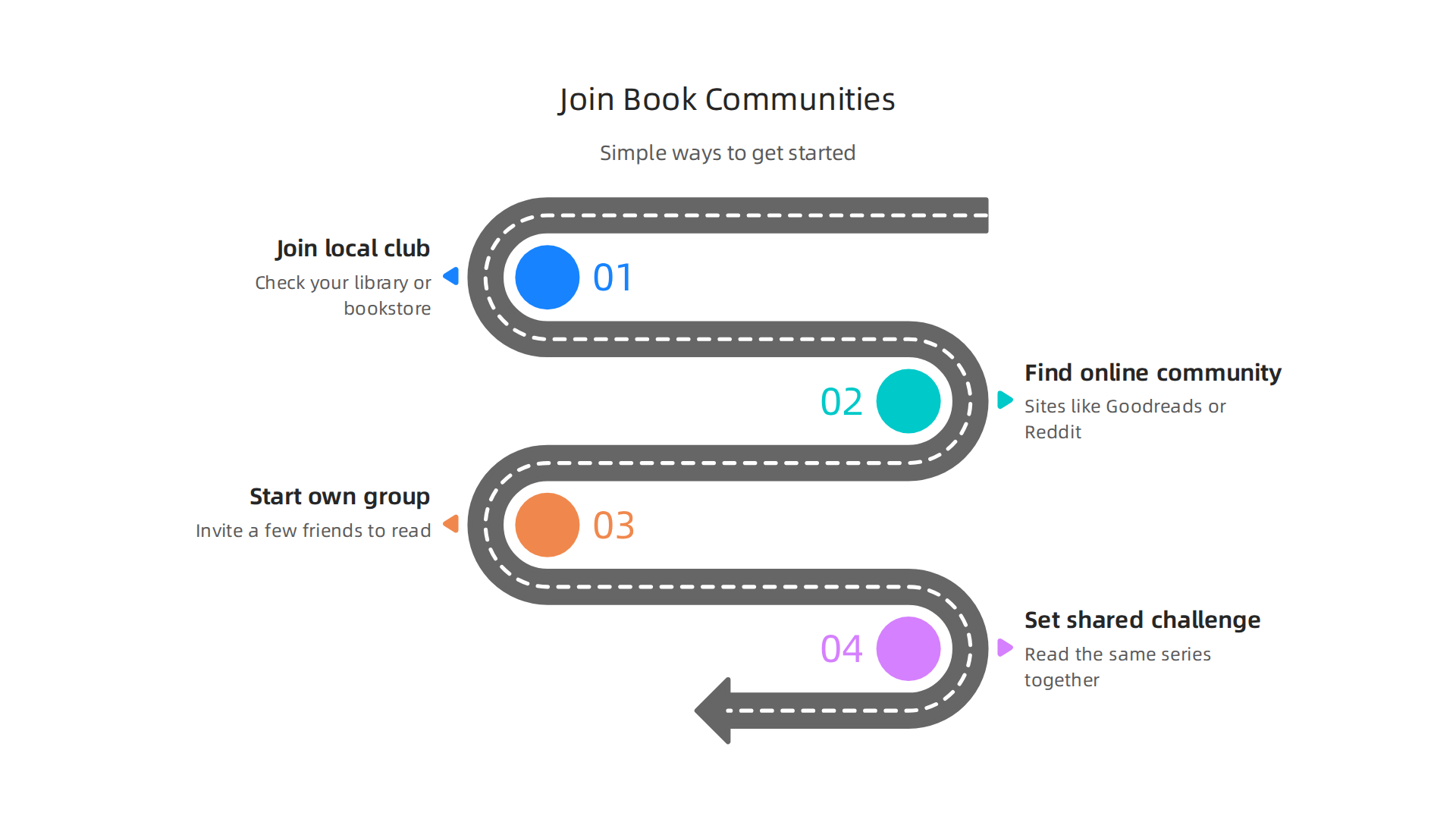
- Join a local book club. Check your library or a nearby bookstore. Many have open groups that welcome new members.
- Find an online community. Sites like Goodreads or Reddit have thousands of groups for every genre. You can discuss the holes book with fans who loved it as much as you did.
- Start your own group. Invite a few friends to read the same book. Pick something fun, like an icebreaker book that gets everyone talking. Meet once a month over coffee or video chat.
- Set a shared challenge. Read the same series together. Use a reading tracker app to compare progress. It is more engaging than scrolling through good free games alone.
Being part of a reading community changes how you see books. You are not just reading for yourself anymore. You are part of a conversation. If you want to stay connected with a community that values curiosity, creativity, and action, consider joining a group that matches those interests. For ongoing updates, new book recommendations, and ways to participate in shared reading experiences, you can Join The Newsletter. It is a simple step to keep the conversation going.
11. Turn Reading into Action: Join an Experiment
Reading is a great first step. You learn new ideas. You see the world through someone else’s eyes. But here is the real question: what do you do with what you just read? The best books push you to move. They make you want to try something new. Think about the maze runner book. The characters do not just sit around talking. They act. They build. They figure things out under pressure. That same energy can work in your own life.
That is where reading experiments come in. A reading experiment is a small, real world challenge inspired by a book. Maybe you read about a character who faces a fear. So you set a goal to do one thing that scares you this week. Or you finish the holes book and decide to dig deeper into a mystery in your own community. These little actions build momentum. They turn passive reading into active growth.
The idea is simple: pick a theme from the book you just finished. Then design a tiny experiment around it.
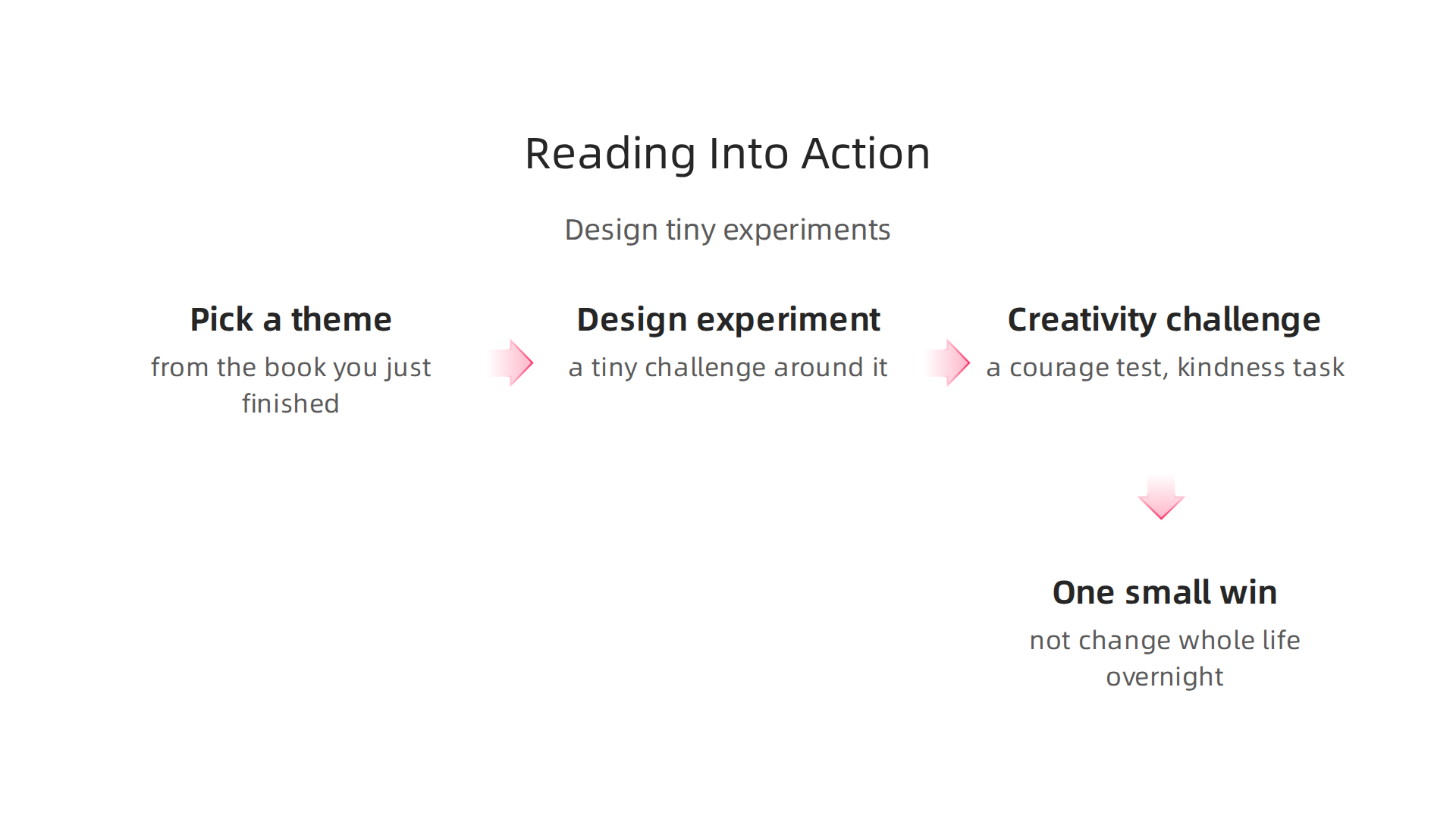
It could be a creativity challenge, a courage test, or a kindness task. You do not need to change your whole life overnight. You just need one small win.
Fiction can actually shape how we think and feel. Experts have noted a changing link between Mental Health in Fantasy and Science Fiction and real world well being. Books help us practice new mindsets. Experiments help us live them out.
The Ridiculous community is built on this exact idea. People there run experiments together. They turn curiosity into action. They share results. They get recognition for trying. It is a space where what you read becomes something you do. If you are ready to move from the page into real life, you can Join An Experiment and start small. Laughter, action, and connection are waiting.
Summary
This article recommends 11 sci‑fi adventure books for fans of The Maze Runner, pairing fast‑paced plots with deeper themes like identity, survival, and community. It profiles classics and contemporary hits — from The Hunger Games and Divergent to Dune, Ender’s Game, Ready Player One, The Martian, Red Rising, and a lighter, comedic pick called The Ridiculous — and explains what each book offers readers in 2026. Beyond summaries, the piece explains why these stories still matter, how they mirror modern anxieties, and how they can spark empathy, strategy, and laughter. It also shows practical ways to get more from reading: join book communities, try immersion reading with audiobooks, and run small