
Do you ever feel a bit lost or stuck in your daily life? Maybe the world feels too noisy with endless screens and quick scrolls. It is easy to get caught up in all the digital chatter in 2026, leaving you wishing for something more real, something that helps you think deeply about your own path.
Many of us are looking for a way to find ourselves again, to discover what truly matters to us. This feeling of wanting more meaning, of craving quiet time to reflect, is very common.

Actually, reading a good book can be a powerful way to start that journey of looking inward. Studies show that reading for fun can help you feel more positive, understand yourself better, and connect with others in a deeper way Reading for wellbeing: a realist review of evidence. This kind of reading can be like a gentle guide, helping you find your own answers. It is a bit like going on a personal adventure, much like the journey described in the famous eat pray love book.
This guide is here to help you turn the page on feeling stuck. We will share curated book picks that invite you into a world of self-discovery. Think of books like The Book of Disquiet: Unlock Fernando Pessoa’s Guide to Self-Discovery that can deeply impact your outlook. You will also find simple reading exercises to help you get the most out of every story. Beyond personal growth, we will explore how creators and brands can use books and shared reading experiences to build stronger, more meaningful connections with their communities. By diving into books, you can step away from the digital noise and truly kickstart your self-discovery.
Ready to explore books that can change how you see the world and yourself? Join The Newsletter for more insights, book updates, and ways to connect with a community that loves reading as much as you do.
How and Why Reflective Reading Works (The Science and Mechanisms)
You might wonder how simply reading a book can truly change your outlook.

It is not just about the stories themselves. There is a real science behind why reflective reading helps you grow. This type of reading works in a few key ways that help you understand yourself and the world better.
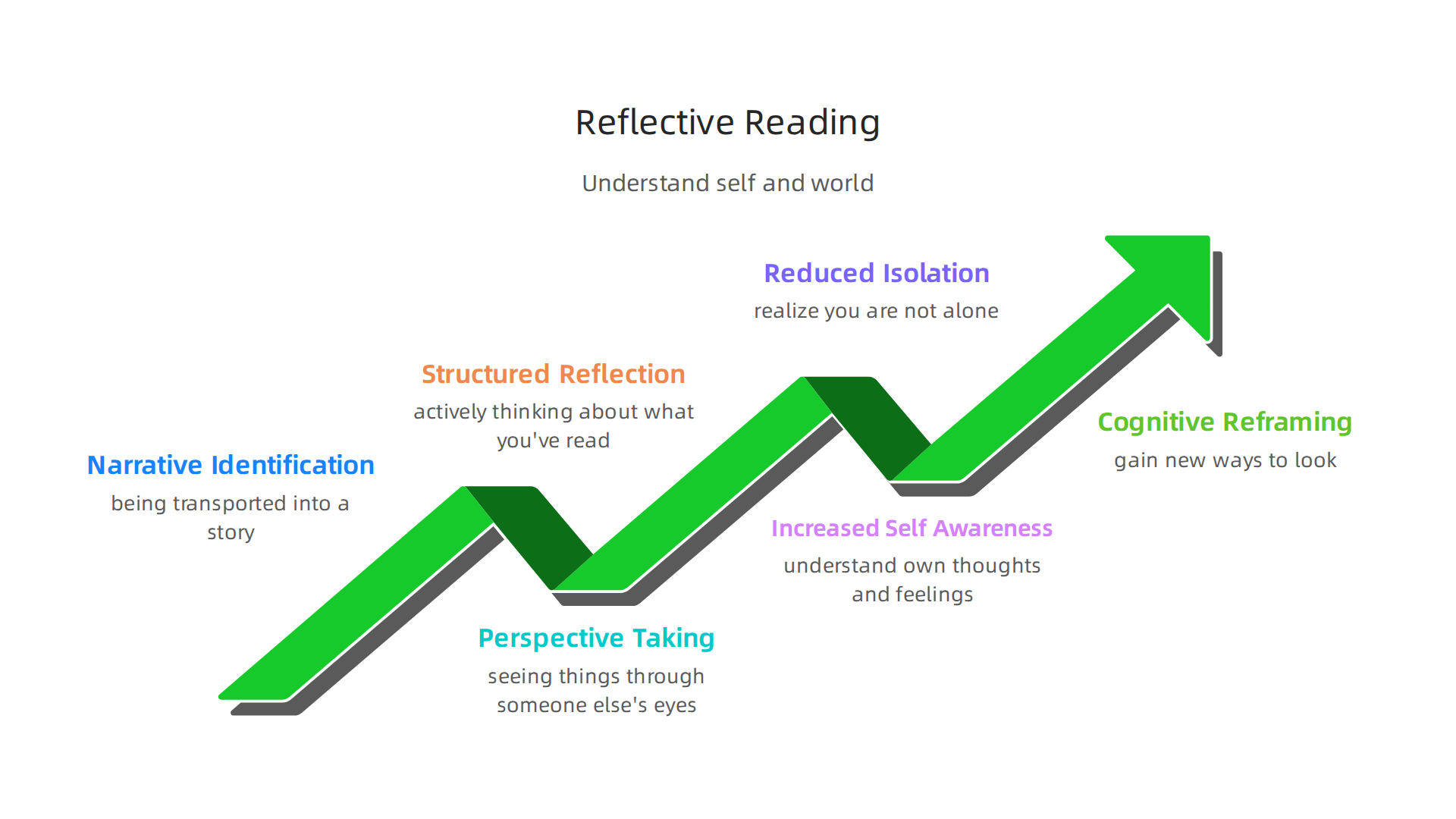
First, think about how you get lost in a good story. This is called narrative identification. When you read a book like the famous eat pray love book, you start to feel like you are right there with the main character. You feel what they feel and go through their journey alongside them. This "being transported" into a story makes it easier to take in new ideas and emotions without even realizing it Exploring Empathy, Stress, and Narrative Transportation among Fiction and Nonfiction Readers. It is like your mind gets to practice new ways of thinking.
Next, books help you with perspective-taking. This simply means seeing things through someone else’s eyes. When you read about characters facing tough choices or different ways of life, you start to understand new viewpoints. This broadens your own mind and helps you think about your problems in a fresh light. For example, a "meaning of life book" might introduce you to various philosophies, helping you figure out what truly matters to you. Experts call this process "bibliotherapy," where books are used like a gentle form of self-therapy to help adults with their emotional health Self-therapy through bibliotherapy: A comprehensive review and content analysis for adults.
Beyond just reading, adding structured reflection makes a huge difference. This means actively thinking about what you have read. You can do this by keeping a journal, writing down your thoughts, or even talking about the book with others. These simple acts help you connect the story to your own life. Want to try it? You can find out more about how to unlock deeper reading a book journal for focus and memory. Many helpful guides exist for starting a Reading Journal: How to Start & What to Write (2026 Guide) to make sure you get the most out of every page.
When these mechanisms work together, they lead to amazing outcomes. You will find increased self-awareness, meaning you understand your own thoughts and feelings better. You might even discover a deeper sense of inner "grit" or resilience, just like characters in a "grit book" overcome challenges. This can also lead to reduced isolation, because when you read about others’ struggles and triumphs, you realize you are not alone in your experiences. Joining book clubs offer true connection far beyond endless scrolling and can further boost this feeling. Finally, reflective reading offers cognitive reframing possibilities. This means you gain new ways to look at problems and difficult situations, helping you change how you think and feel for the better. This journey of understanding can be as profound as the insights found in the book of disquiet unlock fernando pessoas guide to self discovery.
Ready to turn these insights into action and see the real-world benefits? Join An Experiment and connect with a community that’s actively transforming reading into personal growth and shared discovery.
What readers often take from Eat Pray Love a€" themes to borrow, not imitate
So, while understanding how reflective reading works is great, let’s look at a famous example: the Eat Pray Love book. This story became very popular because it speaks to many people who are looking for something more in their lives. But what exactly can you take from a book like this without feeling like you have to copy someone else’s journey exactly?
The Eat Pray Love book is a memoir, which means it is a true story about the author’s life. It shares her personal journey through Italy, India, and Indonesia. Readers often connect with several big ideas in this book.
Common Themes in Eat Pray Love
- The Journey of Self-Discovery: This is probably the biggest theme. The author goes on a physical journey, but it is really about finding herself again after a tough time. She learns what makes her happy and what gives her life meaning. Many people read this book as one of the best books for self-discovery because it shows an inward journey that helps them look within themselves too Best Self Discovery Books — BookShelfDiscovery.
- Grief and Healing: Before her travels, the author faced a difficult divorce and depression. The book explores how she heals from these hurts. It is a reminder that it is okay to feel sad and to take time to get better. This healing process is a huge part of her story.
- Culture and Solitude: While traveling, she tries new foods, learns new languages, and experiences different ways of life. She also spends time alone, which helps her think and understand herself better. This part of the book teaches us about the value of new experiences and finding peace in being by yourself.
- Self-Forgiveness: The author learns to forgive herself for past mistakes and for not being "perfect." This theme shows us how important it is to be kind to ourselves, especially when we are going through big changes.
Extracting Actionable Insight Without Copying
Here’s the thing: you do not need to quit your job and travel the world to get something useful from the Eat Pray Love book. The real power comes from taking the ideas and applying them to your own life.
Instead of imitating, think about:
- Your Own Journey: What kind of "self-discovery" do you need right now? Maybe it is learning a new skill, trying a new hobby, or simply setting aside time each week for something you love. You do not need a plane ticket to start your own path.
- Your Own Healing: Are there old hurts or tough times you need to address? Maybe it is talking to a friend, seeing a counselor, or even just writing in a journal. Finding peace can happen right where you are.
- Your Own New Experiences: How can you bring new cultures or ideas into your daily life? This could be trying a new recipe, reading a book about a different country, or finding a local group that shares an interest. If you enjoyed this book, there are many others like Wild or The Good Girl’s Guide to Getting Lost that explore similar themes of personal transformation through travel and self-discovery Books Like Eat Pray Love: 5 Best Similar Reads (2026).
- Your Own Self-Kindness: How can you be more gentle with yourself? This might mean letting go of old expectations, giving yourself a break when you need it, or celebrating small wins.
The goal is not to live Elizabeth Gilbert’s life, but to be inspired by the spirit of her journey.

You can use her story as a guide to reflect on your own challenges and desires. Many stories, whether they are a "meaning of life book" or even a "grit book," offer chances for this kind of deep thought.
If you are eager to keep exploring how stories can shape your perspective and help you grow, we invite you to stay connected.
Join The Newsletter to get updates on new articles, creative experiments, and ways to connect with a community that loves turning reading into personal discovery.
Continuing from how stories can guide us, it’s clear that books offer more than just entertainment. They give us a chance to look deep inside ourselves and understand our own paths. Reading can actually be a form of self-help, known as bibliotherapy, which research shows can help adults deal with tough feelings and improve their well-being Self-therapy through bibliotherapy: A comprehensive review and content analysis for adults. It’s a powerful way to find personal insights without having to pack a suitcase.
Here are 10 great books that can help you on your own journey of self-discovery and reflection, much like the Eat Pray Love book inspired many.
10 transformative books for self-discovery and reflection (short takes + who they’re for)
These books come in different styles and from different ideas, but all of them can make you think and grow.
-
1. Man’s Search for Meaning by Viktor Frankl
- Why it helps: This is a famous meaning of life book. It shares a true story about finding purpose even in the hardest times. It shows how choosing your attitude can make a huge difference.
- Who it’s for: Anyone feeling lost or looking for deeper meaning in life, especially during tough situations. It’s a real grit book.
- Your first step: Think about one small thing you can control in your day, no matter how big the problems around you seem.
-
2. The Alchemist by Paulo Coelho
- Why it helps: This story is like a beautiful fable about following your dreams and listening to your heart. It reminds you that your true treasure might be closer than you think. You can even use it for group discussion with this guide your group to deeper meaning with The Alchemist book study.
- Who it’s for: Dreamers, young adults, or anyone who needs a push to chase their personal goals.
- Your first step: Write down one dream you have always wanted to follow, even if it seems impossible right now.
-
3. Daring Greatly by Brené Brown
- Why it helps: This book teaches us that being brave means showing up and letting ourselves be seen, even when it feels scary. It talks about how important it is to be vulnerable.
- Who it’s for: People who struggle with perfectionism or fear of failure, and those wanting to connect more deeply with others.
- Your first step: Think of a time you held back because you were afraid. How might things have been different if you had been brave?
-
4. Educated by Tara Westover
- Why it helps: This memoir is about a young woman who educates herself and discovers her own path, even when it means leaving her old life behind. It’s a powerful story of self-invention. If you are interested, we have an article on how to find an educated book that will transform your thinking.
- Who it’s for: Readers interested in overcoming huge obstacles and the power of learning and personal growth.
- Your first step: What is one new thing you would like to learn this year?
-
5. The Book of Disquiet by Fernando Pessoa
- Why it helps: This is a unique collection of thoughts and feelings about life, identity, and the everyday world. It is perfect for quiet reflection and seeing the beauty in small moments. For more on this, check out the book of disquiet unlock fernando pessoas guide to self-discovery.
- Who it’s for: Deep thinkers, writers, or anyone who enjoys thoughtful essays and exploring their inner world.
- Your first step: Take five minutes today to just observe your surroundings without judgment. What do you notice?
-
6. Wild by Cheryl Strayed
- Why it helps: Like the Eat Pray Love book, this memoir is about a woman’s journey to heal after loss by hiking a long trail. It shows the strength we can find when pushed to our limits.
- Who it’s for: People dealing with grief, looking for adventure, or needing proof of inner resilience.
- Your first step: Go for a walk outside today, even a short one. Pay attention to how your body feels.
-
7. Mindset: The New Psychology of Success by Carol S. Dweck
- Why it helps: This book teaches us that our mindset about our abilities can change everything. It shows how having a "growth mindset" can lead to more success and happiness. This is another great grit book.
- Who it’s for: Anyone wanting to improve their learning, career, or relationships by changing how they think about challenges.
- Your first step: When you face a challenge today, try to see it as a chance to learn and grow, not just a problem.
-
8. The Untethered Soul by Michael A. Singer
- Why it helps: This book explores how to find inner peace and freedom by understanding your thoughts and emotions, rather than letting them control you.
- Who it’s for: People interested in mindfulness, spirituality, or those seeking a calmer, more peaceful life.
- Your first step: When a worrying thought comes up, just notice it without getting caught up in it. Let it pass like a cloud.
-
9. Where the Crawdads Sing by Delia Owens
- Why it helps: This novel tells the story of a girl who grows up alone in nature and learns to survive. It’s a beautiful tale about resilience, connection, and finding your place in the world.
- Who it’s for: Readers who love nature, stories of survival, and deep character studies about finding belonging.
- Your first step: Find a quiet spot in nature, even a park, and simply listen to the sounds around you.
-
10. Atomic Habits by James Clear
- Why it helps: This practical guide shows how small changes in your daily routine can lead to big results over time. It’s about building good habits and breaking bad ones.
- Who it’s for: Anyone looking to improve productivity, achieve goals, or simply create better routines for themselves.
- Your first step: Pick one tiny habit you want to start (like drinking a glass of water first thing) and try it today.
These books, whether they are memoirs like the Eat Pray Love book or practical self-help guides, serve as tools for transformation. They can help you gain a deeper understanding of yourself and the world. In fact, reading can do wonders for your well-being, reducing stress by as much as 68% in just six minutes 42 Book Reading Statistics for 2026. The journey to personal growth can start with just turning a page.
Reading a book can indeed be a powerful way to grow, but simply reading the words isn’t enough for true change. To really make books work for you, you need to read them in a thoughtful way. This means not just following the story, but also stopping to think about how it relates to your own life. This kind of reading can turn any book, even a memoir like the Eat Pray Love book, into a tool for self-discovery.
Here’s how you can read reflectively and turn what you learn into real steps for your life.
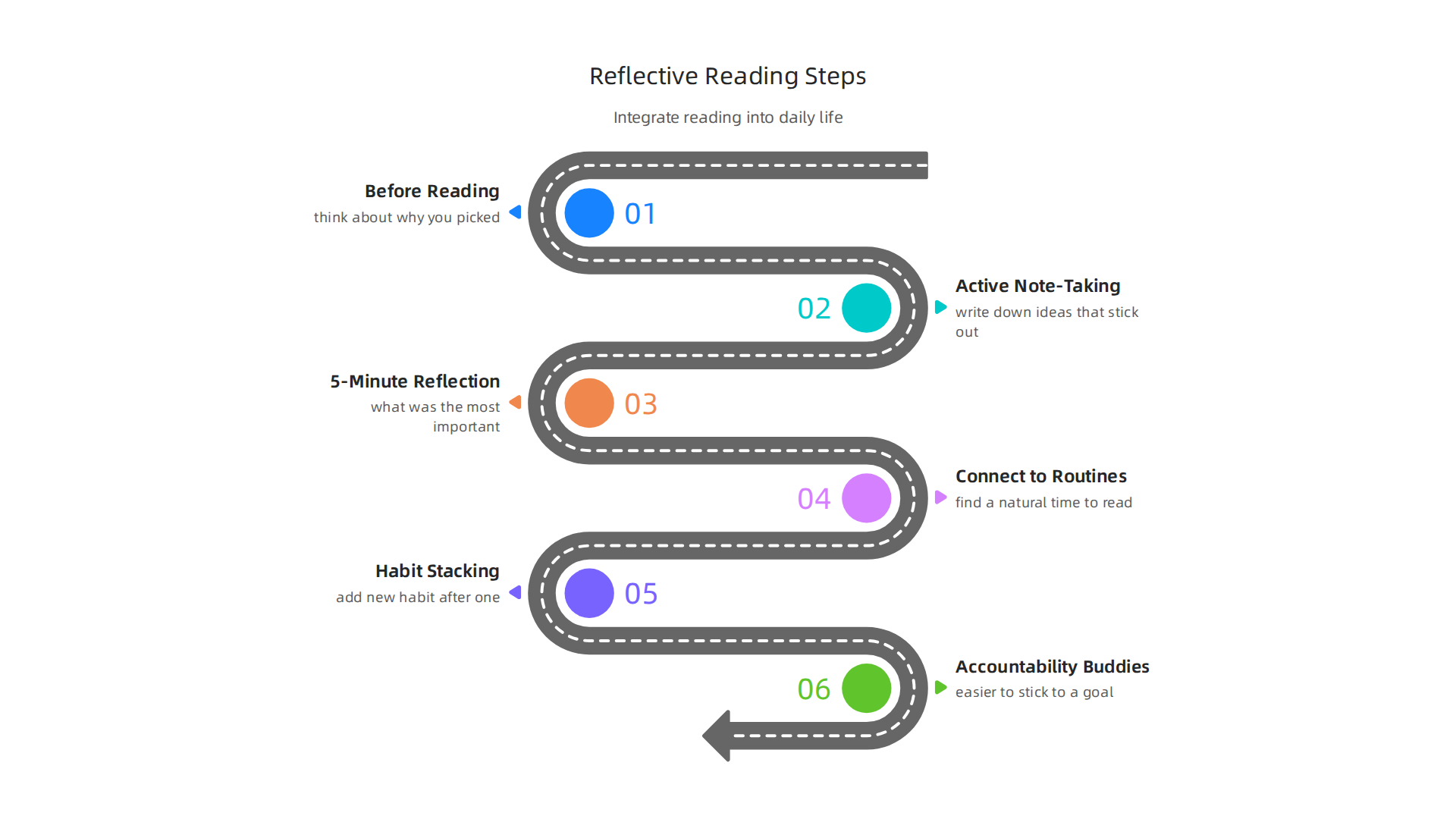
Practical Steps for Reflective Reading
Making reading a habit that helps you grow doesn’t need a lot of time. Small actions can make a big difference.
- Before You Start Reading: Take a moment to think about why you picked this book. What questions do you hope it will answer for you? What do you want to learn or change in your life? Writing down these thoughts can help you focus.
- While You Read: Active Note-Taking: Don’t just skim. Stop every now and then to write down ideas that stick out, questions you have, or how a character’s journey reminds you of your own. You can write in the margins of a physical book, use sticky notes, or keep a separate reading journal. Writing things down as you go can help you remember and understand more deeply, and this can be done after each chapter for a good balance of thinking and reading time Reading Journal: How to Start & What to Write (2026 Guide).
- After Each Session: 5-Minute Reflection: When you finish reading for the day, take just five minutes to think. What was the most important thing you read? How did it make you feel? What did you learn about yourself? You can quickly write down one sentence or a few bullet points. This simple habit helps cement new ideas in your mind. If you want to dive deeper into this practice, consider creating a dedicated space to unlock deeper reading with a book journal for focus and memory.
Journaling Prompts for Deeper Self-Discovery
Journaling is where you connect the book’s world with your inner world.

These prompts can help you dig deeper into what you read:
- Connecting with Characters:
- Which character in the book reminds you of yourself, and why? What feelings or struggles do you share with them?
- If you read a grit book like Wild, what challenges did the main character face, and what strength did they show that you can learn from?
- Exploring Themes:
- What is the main message or "meaning of life book" idea the author is trying to share? How does this idea connect to your own beliefs or experiences?
- Think about a specific part of the story that made you pause. What was happening, and what did it make you think about in your own life?
- Personal Growth:
- What is one thing you disagreed with or questioned in the book? Why?
- If this book offered a solution to a problem, how might you try that solution in your own life?
- What feeling did the book bring out in you? Joy, sadness, hope, anger? Why do you think you felt that way?
Turn Insights into Experiments
Reading and reflecting are great, but the real magic happens when you use what you’ve learned. Think of your life as a lab, and your insights as ideas to test.
- Pick one small idea: From your reading and journaling, choose one small change or idea you want to try. For example, if you read Atomic Habits, maybe you’ll try adding a "tiny habit" to your morning routine.
- Set a simple goal: Make it easy to do. "I will try this for three days," or "I will notice how I react to X situation today."
- Observe and adjust: After trying your small experiment, take a moment to see what happened. Did it work? How did you feel? What did you learn? Based on this, you can keep trying, change your approach, or try something new. This process helps you move from just thinking about a better life to actually living one.
If you’re ready to turn your curiosity and inspiration into real action and connect with others doing the same, consider taking a more active step. Join An Experiment and start applying what you’ve learned in a fun, shared way.
Just like reading helps people grow, books can also be a powerful tool for creators and brands. You can use books to bring people together, get them involved, and run exciting campaigns. In 2026, book clubs and reading communities are more popular than ever, making this a great way to connect with your audience. The global book clubs market was worth $1.9 billion in 2024 and is expected to keep growing Book Clubs Market Research Report 2033. This shows how much people love sharing reading experiences.
Formats That Really Work
If you’re a creator or a brand, here are some fun ways to use books to build community:
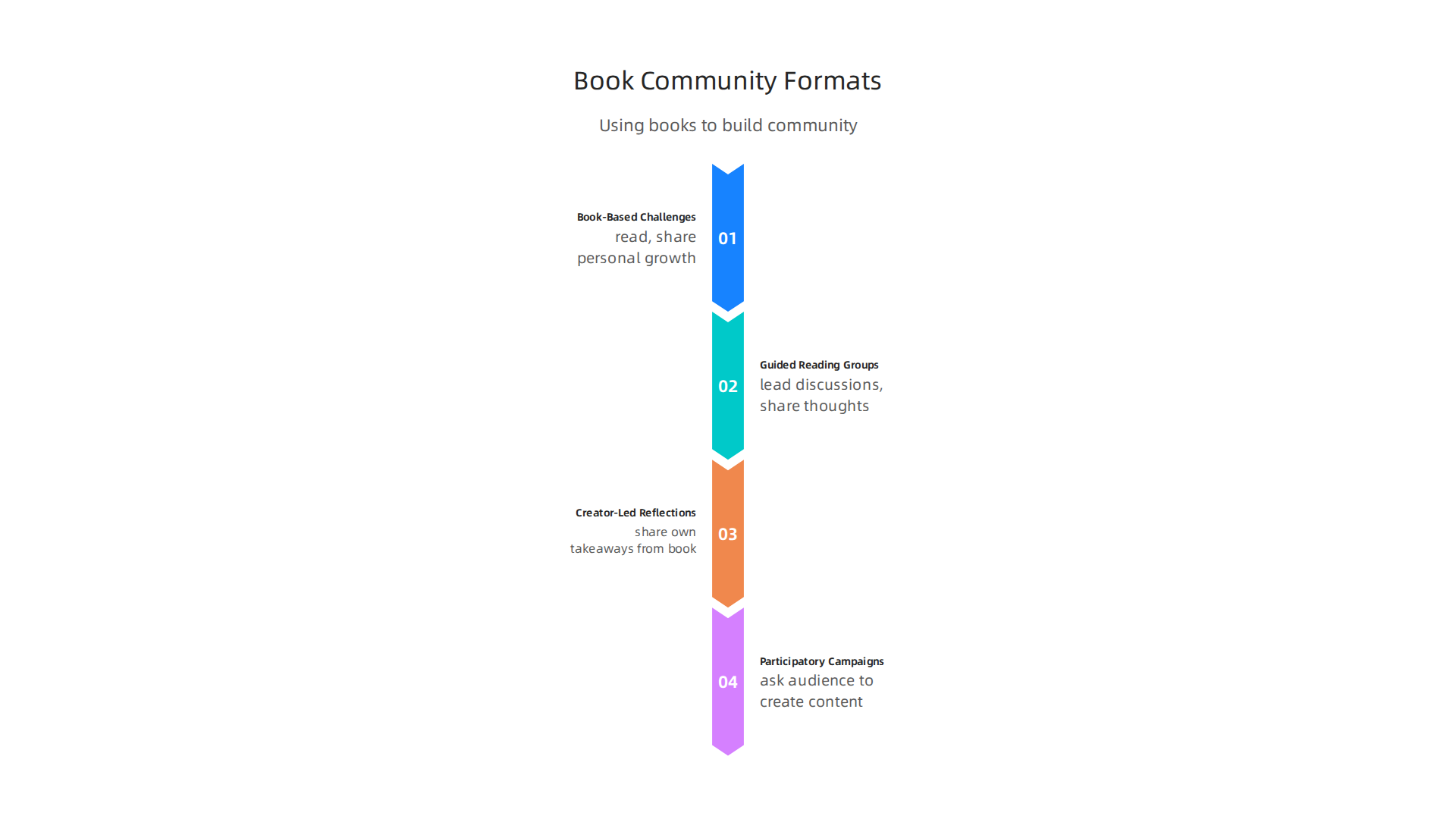
- Book-Based Challenges: Imagine picking a book and asking your audience to read it over a set time. For example, a memoir like the Eat Pray Love book, which is about a journey of self-discovery, could inspire a challenge where people share their own small adventures or steps toward personal growth. A "grit book" like Wild could lead to a challenge about overcoming obstacles. These challenges encourage people to engage deeply with the story and with each other.
- Guided Reading Groups: Set up online or in-person groups where you lead discussions. You can provide questions, share your own thoughts, and invite people to talk about what they learned. This is great for books that make you think, like a "meaning of life book." These groups create a strong sense of belonging, and it helps when curators pick books that allow for layered discussions Long-Form Reading Revival: Book Clubs and Curation.
- Creator-Led Reflections: As a creator, you can share your own takeaways from a book. Maybe you read Call Me By Your Name and want to talk about its themes of love and memory, or perhaps you found insights in the blue book about color theory. Your personal reflections can inspire your audience to look for meaning in their own reading.
- Participatory Campaigns: Ask your audience to create content inspired by a book. They could share a quote, draw a picture, write a short story, or even record a video about how the book impacted them. This user-generated content is a fantastic way to build excitement and show that your community is active Engaging with Book Clubs and Reading Communities Online.
You can also create more structured experiences, like a book study for your group to dive into deeper meanings, for example, with The Alchemist book study.
Measuring Success and Making It Easy to Join
To know if your efforts are working, you need to look at simple things:
- Engagement Metrics: Count how many people comment on your posts, share their thoughts, or create their own content. See how many join your reading group or participate in a challenge. These numbers tell you how involved your audience is.
- Low-Friction Participation: Make it super easy for people to join. Don’t ask for too much effort at first. A simple "share your favorite quote" is much easier than "write a 500-word essay." Offer different ways for people to take part, whether it’s through a quick poll, a photo, or a short written thought. The easier it is, the more people will join in and help you build a vibrant community Empowering Reading Groups: Social Media Strategies.
By using books creatively, you can turn passive followers into an active, engaged community. If you’re a creator looking for more tools and strategies to grow your platform, explore the best websites for creators to help you thrive in 2026.
Ready to stay updated on new experiments, creator opportunities, and ways to participate?
Join The Newsletter
After learning how to bring people together with books and how to check if your efforts are working, the next step is to keep the good times rolling. It’s about making reading and community time a regular part of life, like a healthy habit.
Make Reading a Lasting Habit
For you and your community, turning reading into a steady practice means setting up small, easy habits.
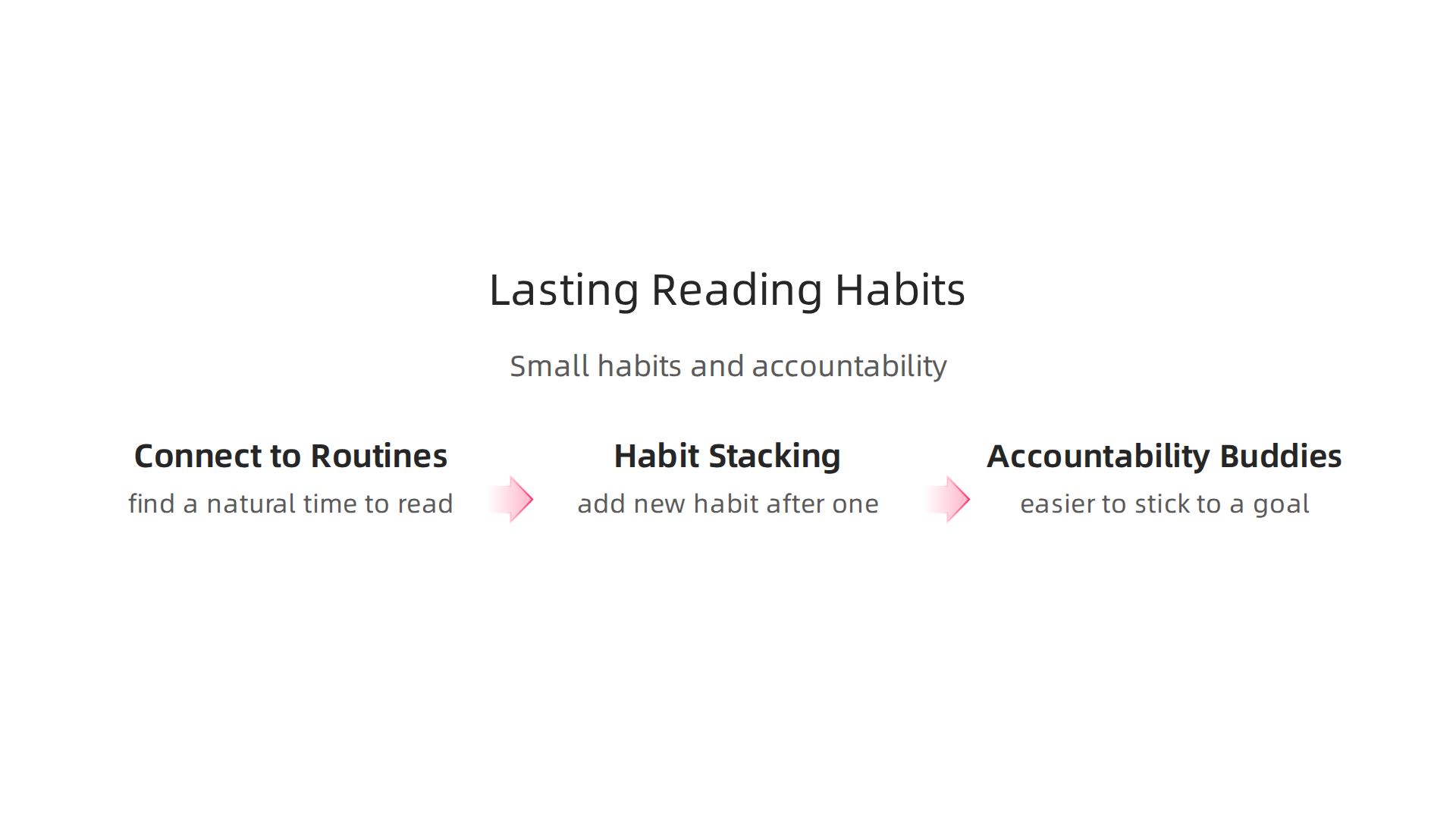
Think of it like building a bridge one brick at a time.
- Connect Reading to Daily Routines: Find a natural time to read each day. Maybe it’s while you drink your morning coffee, during your lunch break, or right before bed. This helps reading become something you just do, without even thinking much about it.
- Habit Stacking: This is where you add a new habit right after one you already do. For example, "After I finish dinner, I’ll read one chapter of my book." Or, "After I check social media, I’ll spend 10 minutes looking at a
meaning of life book." Books like theeat pray love bookoften inspire people to start new journeys, and small habits are how those big journeys begin. Many find self-discovery books helpful for this kind of personal growth Best Self Discovery Books — BookShelfDiscovery. - Accountability Buddies: Sometimes it’s easier to stick to a goal when you have a friend doing it with you. In your reading community, people can team up and check in with each other. They can share what they’re reading, or talk about a
grit bookthey’re tackling. This shared goal helps everyone stay on track. You can even Unlock Success with an Accountability Partner App to help make this easier.
Watch Your Small Wins Grow
It’s important to see how far you’ve come, even in small steps. This keeps your motivation high and helps the community feel good about what they are doing.
- Micro-Goals: Instead of saying "I’ll read a whole book this week," try smaller goals like "I’ll read 15 pages today" or "I’ll read for 20 minutes." These small wins add up and make you feel successful more often.
- Reflection Journals: After reading, take a moment to write down what you learned or how the book made you feel. This could be about a specific part of the
eat pray love bookthat moved you or a new idea from a non-fiction read. Keeping a journal helps you think deeper about what you’ve read and remember it better. You can Unlock Deeper Reading a Book Journal to boost your focus and memory. - Celebrate Together: When someone reaches a small reading goal or shares a great thought, celebrate it! This could be a shout-out in your online group, a fun emoji, or a quick comment. Celebrating small wins makes everyone feel valued and excited to keep participating. It shows that every little bit of effort matters.
By making these practices a routine, your community’s engagement will stay strong. It’s all about making it easy, supportive, and rewarding.
Ready to turn your reading and insights into active participation and connection?
Summary
This article explains how reading—when paired with focused reflection—can help you move from feeling stuck to discovering what matters most. It reviews the science behind narrative identification, perspective‑taking, and bibliotherapy, then shows how memoirs like Eat Pray Love offer themes to borrow rather than imitate. You get a short, curated list of ten transformative books with who they suit and quick first steps, plus a practical how‑to on reflective reading: before/while/after habits, journaling prompts, and small experiments to test insights in daily life. The guide also outlines ways creators and brands can use books to grow community—book challenges, guided groups, and simple engagement metrics—and offers habit tools like accountability partners and habit stacking to make reading stick. Read this and you’ll have concrete reading exercises, discussion ideas, and low‑friction ways to turn stories into personal and community change.