We spend a lot of time online these days. But sometimes, all that time just looking at screens can make us feel tired or even lonely. You might find yourself scrolling through endless posts without really connecting with anyone. This is what we call passive scrolling, and it often leaves us feeling less creative and more alone.
Many people in 2026 feel this way. They’re looking for better online places. Places where they can truly connect with others, share their ideas, and feel like they belong.

It’s tough when you’re a creator too. You might feel alone trying to make new things, wishing for a supportive group to cheer you on or give helpful ideas. Actually, a good chunk of users, about 27%, say that online communities are where they feel most comfortable being themselves, according to recent reports Online Communities: Data Reports 2026.

This shows how much people want real connections.
That’s why choosing the right websites truly matters for your happiness and success. It’s not just about spending time online; it’s about spending it wisely. We want to help you turn those feelings of being stuck or lonely into chances for laughter, action, and new connections. Moving past passive scrolling to truly engage is key. If you’re ready to try something simple and build new habits, you can always Join An Experiment to find a positive way to connect.
In this guide, we’ll help you find the best websites for whatever you need. We’ll look at different types of platforms, like how a good book club offers true connection far beyond endless scrolling or how to pick the right book writing website to get your stories out there. We will also touch on things like setting up a wix free website for your ideas or finding the best portfolio websites to show off your creative work.
Our goal is to give you clear steps to find online spaces that help you feel better, be more creative, and truly connect with others. We’ll show you how to look at different platforms and pick the ones that are best for you, whether you’re an individual looking for connection or a creator ready to share your passion.
To stay updated on new ways to connect and for more tips on finding amazing online communities and tools, be sure to Join The Newsletter.
When we think about online places, many of us think of big social media sites. You know, the ones where you see lots of short videos and quick posts. These sites often show you things chosen by a computer program, called an algorithm. This means you see what the computer thinks you want, not always what you truly need or what helps you grow. This can lead to that "passive scrolling" we talked about, where you just look and look without really doing anything or feeling connected.
But there’s a different kind of online place: dedicated community platforms. These are some of the best websites for real connection.
They are built for people to join in, talk, and do things together. Think about how much more you get from joining online reading communities compared to just seeing book reviews fly by on a feed. Or a special group for people who want to create their own stories, perhaps using a book writing website to share their work and get ideas from others.
The way these platforms are made truly changes how we pay attention and how much we care. On social media, your feed often moves so fast. It’s easy to scroll past something important or feel like your own posts get lost. A report from 2026 looked at over 52 million posts and found that engagement rates, or how much people interact, can be quite low on big social platforms In-depth analysis of the 2026 Social Media Engagement Report.
This is because the focus is on quick views, not deep talks.
Community platforms are different. They are set up around specific topics or goals. This means everyone there is likely interested in the same thing. For example, if you want to make a wix free website to show your art, you’d join a community for web designers or artists. People there would understand your questions and offer helpful advice. These places often have special areas for discussions, online events, or fun challenges. Members feel more responsible for sharing and helping out. This creates a stronger sense of belonging and support, which is great for creators and anyone looking for real friends.
For creators, this is very important. If you’re building your best portfolio websites to show your work, a dedicated platform lets you get honest feedback and connect with people who truly appreciate what you do. Studies show that creators who put community first see better results, like keeping their audience for longer and even making more money Community Building Trends 2026: Trends, Stats & What’s Next.
It’s about building a space where everyone feels heard and valued, moving far beyond just liking a post. This active participation helps you grow, feel less alone, and makes your online time much more worthwhile.
Choosing the right online place is a lot like picking the right tools for a big project. You need to know what features make a website truly useful for building a community and for creating your best work. In 2026, the best websites for these goals share some important traits.
Essential Tools for Community and Creation
When you look for a great online community, think about these must-have features:
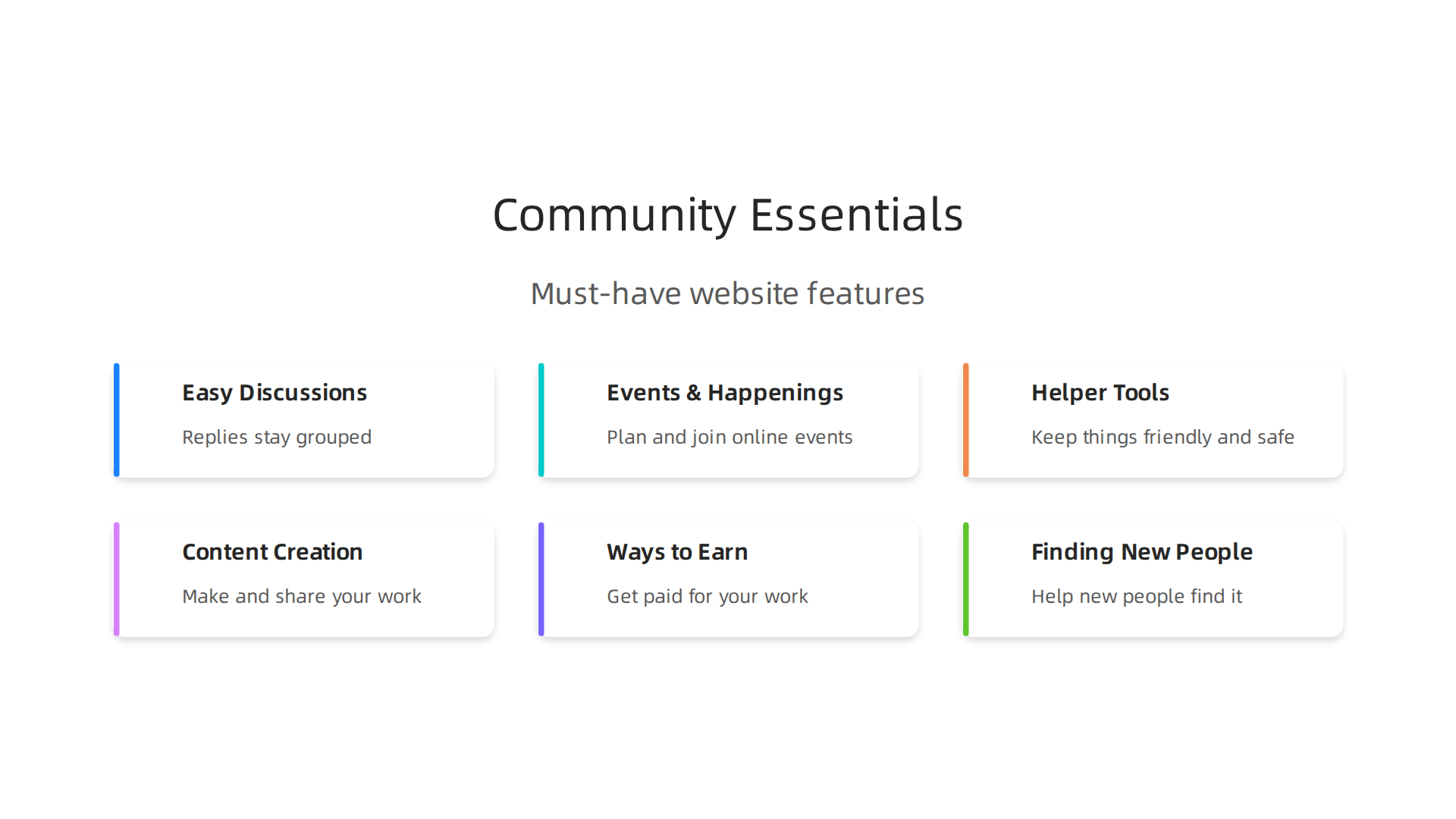
- Easy Discussions: The website should make it simple to talk about things. Look for "threaded discussions" where replies stay grouped under the main topic. This helps everyone follow along and get a deeper understanding. For example, in a book club, you want to easily see all the ideas about one chapter.
- Events and Happenings: Good platforms let people plan and join online events. This could be a live video chat, a workshop, or a simple online meet-up. Events help members feel more connected and give them reasons to keep coming back.
- Helper Tools for Leaders: The best communities have good tools for the people who manage them. These "moderation tools" help keep things friendly and safe. They allow leaders to set rules, remove bad posts, and make sure everyone feels welcome.
- Content Creation Tools: If you’re a creator, you need ways to make and share your work right on the site.

This could be a special area for writing, like a built-in book writing website (oops, already used https://doridiculous.com/my-first-learn-to-write-workbook-a-guide-to-building-writing-confidence/). Let’s use https://doridiculous.com/unlock-deeper-reading-a-book-journal-for-focus-and-memory/ if I can fit it for creative tools, or maybe just talk about content creation generally. For example, if you want to make a special space like a wix free website (oops, already used https://doridiculous.com/the-best-website-tools-for-creators-in-2026/). Okay, I’ll talk about content tools generally without specific internal links that are used up. Think about a place where you can easily upload videos, pictures, or stories.
- Ways to Earn Money: For many creators, the best websites also let you get paid for your work. This is called "native monetization." It could be selling special content, getting tips, or having people pay to join your group. In 2026, platforms that offer easy ways to earn money are top choices for creators who want to build a business around their passion The Best Creator Platforms in 2026: 9 Features That Actually Decide ….
- Finding New People: A good community should also help new people find it. This "discoverability" means there might be a public page or a way for people to search for groups that fit their interests.
Making a Safe and Welcoming Place
Beyond the basic tools, how a website feels is super important. The best websites focus on making everyone feel safe and included.
- Friendly Start: When you first join, the site should help you get started. This "onboarding" makes sure you know how things work and feel welcome.
- Keeping You Around: Good platforms also have little reminders or fun challenges that encourage you to keep visiting and taking part. These "retention nudges" help build habits and keep the community active.
- Sense of Belonging: Most importantly, a great online place helps you feel like you belong. It’s a place where you can be yourself, share your ideas, and connect with others who truly care, leading to a deeper understanding. For example, finding a community around Girl Interrupted book could foster a strong sense of connection and shared experience.
By looking for these features, you can find the best websites that truly help you connect with others and bring your creative projects to life.
If you’re interested in being part of a growing movement built on humor, empowerment, and active participation, you can get updates and learn more. Join The Newsletter to stay connected.
It’s one thing to find a website with the right tools; it’s another to actually use them to make a lively, engaged place. Creating a community online is like growing a garden. It needs care, attention, and a few smart steps to truly bloom.
How Creators and Organizers Actually Build Engaged Communities (Step-by-Step)
Building a great online community isn’t just about having the right tools; it’s about using them in smart ways to help people connect and feel important.
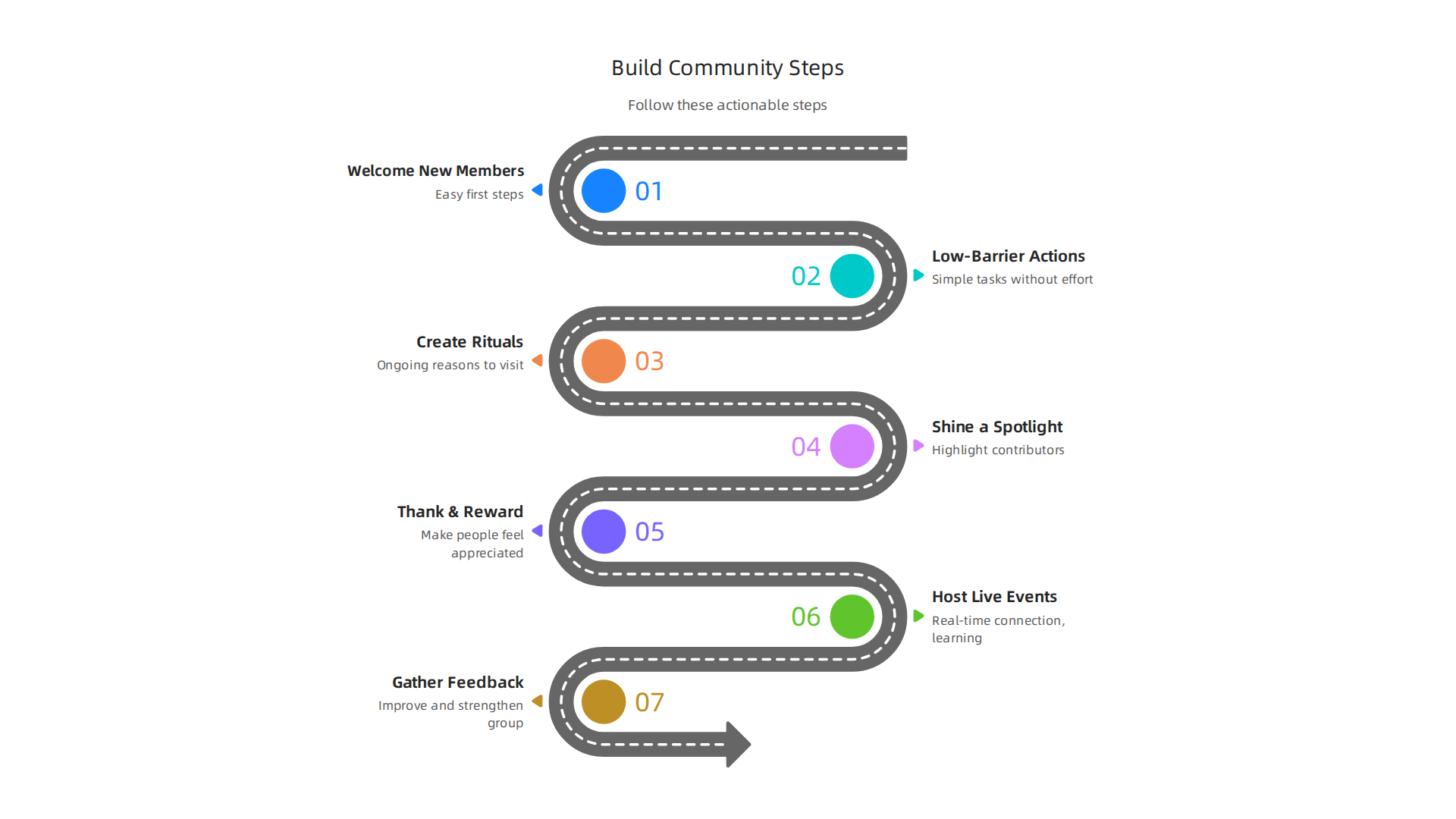
In 2026, the best websites for community building help creators and organizers follow a few key steps.
Welcome New Members with Open Arms
Think of your online community like a friendly party. When new guests arrive, you want to greet them and show them around so they don’t feel lost. This warm welcome process is called "onboarding."
- Friendly First Steps: Make it super easy for new people to know what to do first. This might be a welcome message, a quick guide, or a fun introductory activity. The goal is to make them feel special and valued right away, so they feel comfortable and stay. Experts agree that a clear, simple pathway for new members helps them experience the value of the community faster, leading to higher engagement down the road Elevating Community Onboarding: Insights and Strategies for 2026.
- Low-Barrier Actions: Give new members simple tasks they can do without much effort. This could be introducing themselves in a special chat, answering a fun question about their favorite things, or working with an accountability partner app to achieve a tiny goal. These small successes build confidence and make people more likely to take part in bigger activities later on.
Create Regular Fun and Activities
To keep people coming back and feeling connected, you need to have ongoing reasons for them to visit the community.
- Repeatable Rituals: These are like traditions for your online group.
- Welcome Sequences: A special set of messages or activities designed for every new person who joins.
- Weekly Challenges: Maybe a weekly writing prompt for a book writing website, or a photo theme for artists.
- Themed Weeks: Focus on a different topic or skill each week. For a book club, this could be discussing a specific character or a theme from the story.
These regular activities help people form habits of participation and give them something exciting to look forward to. They also create a strong sense of shared experience, which makes the community feel stronger and more meaningful. These shared experiences can improve social connections and personal well-being, according to a 2026 review on online mental health peer support Effectiveness and Experiences of Online Mental Health Peer Support Interventions.
Shine a Spotlight on Your People
Everyone likes to be seen and heard. When members share their work, ideas, or comments, it’s important to celebrate them.
- Highlight Contributors: Feature great posts, projects, or helpful comments. This could be a "Member Spotlight" section or showcasing their creative work, like teaching them how to write a book review that makes every story count for a book club, on a special part of the website, much like the best portfolio websites do.
- Thank and Reward: Simple thank-you messages go a long way in making people feel appreciated. Some communities even use small digital rewards or badges for active members. This makes people feel valued and encourages others to join in the fun. Community managers often encourage engagement by regularly asking for feedback and acknowledging active members TOP 34 Community Manager Interview Questions in 2026.
Host Events and Try New Things
To keep things fresh and exciting, it’s a good idea to plan special events and experiments. These activities create new energy and help the community grow.
- Live Events: These could be live video chats, helpful workshops, or question-and-answer sessions with experts. They offer a great chance for real-time connection and learning.
- Creative Experiments: Try out new ways for people to interact and create together. Maybe a collaborative story project, a group art challenge, or a "show-and-tell" session for creative projects. These experiments create momentum and new energy, helping members explore their creativity and connect.
If you’re ready to try something new, reduce isolation, and build confidence by participating in a unique online experience, you can Join An Experiment. - Gather Feedback: Always ask members what they like about the community and what could be better. This helps you make smart choices to improve and strengthen the group over time. Getting input from both members and the people who help run the community helps make sure it works well for everyone Insights and Recommendations From Moderators and Community Members on the Acceptability, Usability, and Clinical Utility of an Online Mental Health Peer Support Intervention.
By putting these steps into action, creators and organizers can turn a website with good features into a thriving, engaged community where everyone feels connected and inspired to create.
After spending time and effort to build an engaged online community, creators and organizers naturally look for ways to earn money from their hard work. In 2026, the best websites and platforms offer many ways for creators to turn their community efforts into income. It’s about finding the right tools that help you grow your audience while also making money.
Tools and Monetization: Choosing Sites That Help Creators Earn While Growing Community
Choosing the right platform is a big step for any creator. You want a place that not only lets you build a lively community but also makes it easy to earn money from your work. Many of the best creator platforms in 2026 are designed to help you do both.
Ways Creators Earn Money Online
There are several popular ways creators make money from their online communities and content:
- Subscriptions: This is where members pay a regular fee, often monthly or yearly, to get special access. This could mean exclusive content, a private part of a book club forum, or early access to new projects. Think of it like a magazine subscription, but for your unique content. Many community platforms allow creators to set up different levels of subscriptions with different perks.
- Tipping and Donations: Some platforms let fans give money directly to creators as a "thank you" or to support their work. This is a simple way for people who love what you do to show their appreciation.
- Digital Products: You can create and sell things like e-books, online courses, special templates, or digital art. For someone running a book writing website, selling a guide on how to write a story or editing services could be a great fit. These products are often sold directly through the platform or linked to from your community space.
- Memberships: Similar to subscriptions, but often with more tiered benefits. For example, a basic membership might give access to general discussions, while a premium one could include one-on-one sessions or special content. Platforms like Mighty Networks or Skool are known for their membership features.
- Paid Events: You can host special online events like live workshops, masterclasses, or question-and-answer sessions with guest experts. Members pay a one-time fee to join these events.
Platform Types and What They Offer
The kind of platform you choose will greatly affect how you can monetize.
- All-in-one Community Platforms: These are often the best websites for creators focused on community. They combine features for social interaction, content sharing, and monetization all in one place. Examples include Circle, Mighty Networks, and Skool, which typically support subscriptions, memberships, and often digital products or events.
- Website Builders with Community Features: Platforms like Wix, Squarespace, or WordPress let you build your own website, including a space for community forums or member areas. You can create a Wix free website to start and then add paid features or integrations for selling products. This gives you more control over your brand and how you make money.
- Specific Content Platforms: These are often for a certain type of content, like YouTube for videos or Substack for newsletters, which have their own ways to monetize (ads, paid newsletters).
The Balancing Act: Trade-offs for Creators
Choosing how and where to monetize comes with important considerations:
- Fees: Almost all platforms take a cut of your earnings. This can range from a small percentage to a larger one, especially on platforms that handle payment processing and hosting. It’s important to understand these costs so you know how much you’ll actually take home.
- Discoverability: Larger platforms (like YouTube or social media sites) might help new people find you more easily because they have huge existing audiences. However, relying too much on these platforms means you’re building your community on someone else’s land, and their rules can change.
- Platform Audience vs. Owned Channels: Do you want to reach a ready-made audience on a big platform, or do you want to build your own "home" for your community? Building your own website or using an all-in-one community platform gives you more control and ownership over your audience. For artists and designers, this might mean having their own dedicated best portfolio websites where they can showcase their work and directly sell products, rather than relying solely on a larger marketplace.
Ultimately, the best approach often involves a mix: using big platforms to reach new people and direct them to your own space where you can build a deeper connection and offer unique paid experiences.
After learning about different ways to make money, the next step is to look closer at the many platforms out there. It’s like choosing the right tool for a job. In 2026, there are so many options, so we need to compare the best websites to build your online home.
Comparing the Best Websites: Platform Categories, Who They Serve, and Quick Pros/Cons
Choosing the right online home for your community is super important. Different types of platforms work better for different goals. Let’s look at the main kinds of platforms and who they are best for.
Kinds of Online Community Platforms
- Membership Community Platforms: These are "all-in-one" places built for people to connect deeply. They often have forums, chat, and ways to share content, all behind a membership or subscription.
- Who They Serve: Creators, coaches, and businesses who want to build a strong, loyal community and offer exclusive content or lessons. Think of a private book club with special discussions or online courses. Platforms like Circle and Mighty Networks are popular choices here, offering tools for community management and branding Circle Blog.
- Content-Focused Platforms: These are platforms mostly known for one type of content, like videos, writing, or podcasts, but they also have community features.
- Who They Serve: Video creators, writers, podcasters, and artists. You might use YouTube for videos, Substack for newsletters, or Twitch for live streams. These are great for reaching a big audience, but you might have less control over your community space.
- Website Builders with Community Add-ons: These let you build your own website and then add community parts to it.
- Who They Serve: Creators who want full control over their brand and audience. If you want a custom book writing website and also a place for readers to chat, this is a good path. Platforms like Wix or WordPress let you start with a Wix free website and add features as you grow. This also works well for showcasing your work on a best portfolio websites where you control everything.
- Topic-Focused Forums: These are places where people gather around specific interests or hobbies. They are usually less about one main creator and more about group discussion.
- Who They Serve: People looking for specific answers, hobbyists, or those who want to discuss niche topics. Reddit is a big example, or smaller forums dedicated to things like gardening or coding.
Quick Comparison Table
To help you decide which of the best websites is best for your goals, here is a simple look at the categories:
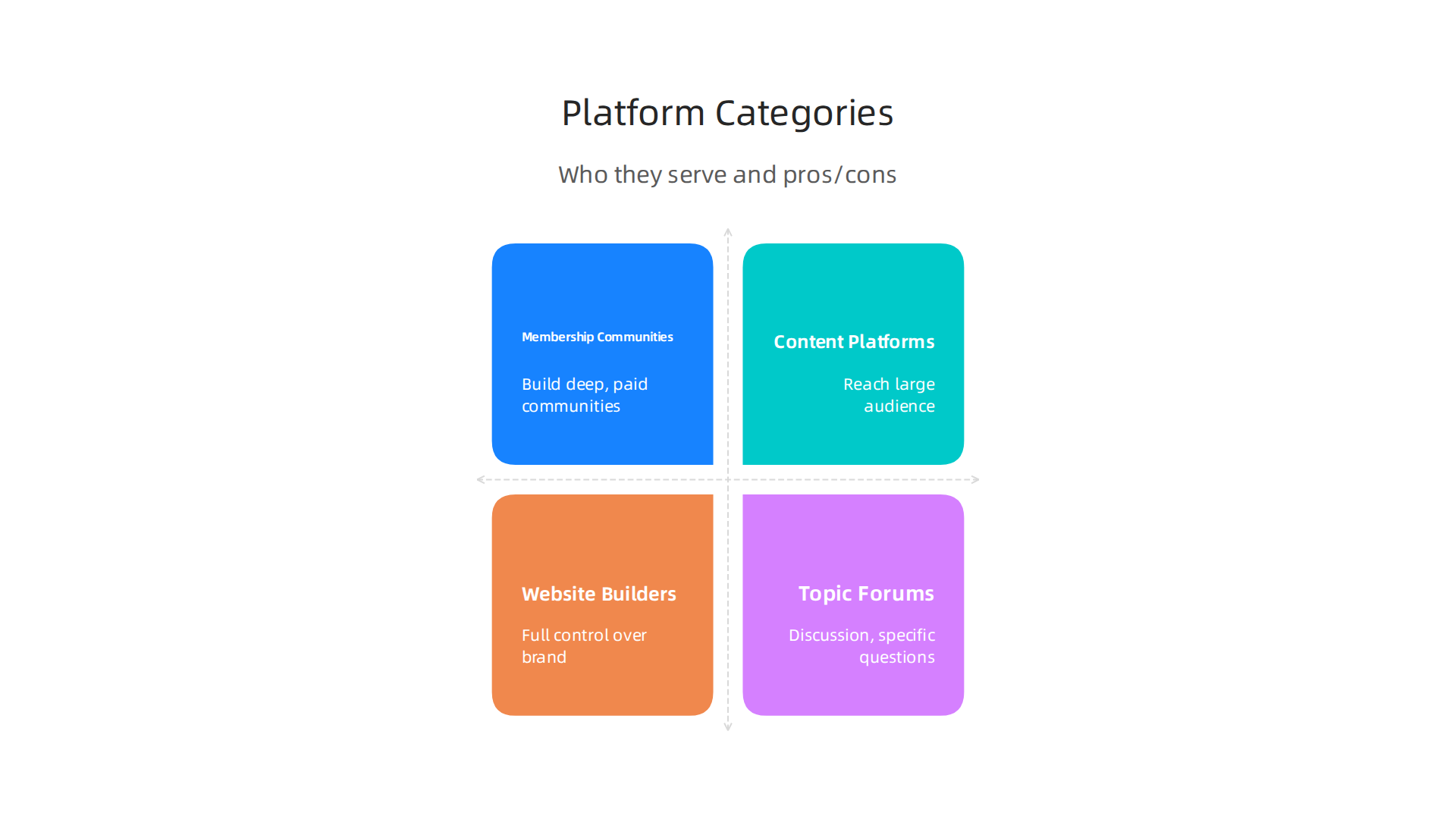
| Platform Category | Who It’s Best For | Key Features | Pros | Cons |
|---|---|---|---|---|
| Membership Communities | Building deep, paid communities for courses, groups, coaching. | Forums, courses, events, payments, user profiles. | High engagement, good monetization, full control. | Can be more costly, less "free" discovery. |
| Content-Focused Platforms | Reaching a large audience with specific content (video, text). | Content hosting, comments, ads, subscriptions. | Huge audience reach, easy to start. | Less control, platform rules can change. |
| Website Builders | Complete control over brand, selling products, custom layouts. | Website builder, blog, e-commerce, optional community plugins. | Own your audience, flexible, scalable. | Requires more setup, less built-in community. |
| Topic-Focused Forums | Discussion, specific questions, casual community. | Threaded discussions, upvoting, topic channels. | Easy to join, diverse opinions. | Hard to monetize directly, can be noisy. |
The online community platform market is growing fast, expected to be worth around $1.47 billion in 2026 Online Community Platform Market Size, Trends. This shows how many creators are finding success in building these digital spaces. Experts say that creators who focus on building a community see much better long-term success and more stable income Community Building Statistics 2026: 3x Retention, $819M ….
Choosing the right platform means thinking about what kind of community you want to build and how you plan to make money from it. It’s about finding the place that best supports your unique vision and helps you connect with your people.
Want to stay in the loop on the latest creator tips, book updates, and fun community challenges?
Join The Newsletter
Choosing the right online home for your community is not just about features and money. It’s also super important to make sure the platform keeps everyone safe and supports their mental well-being. Think of it like inviting friends to your house; you want to make sure everyone feels welcome and protected. When looking for the best websites for your online community in 2026, safety should be a top priority.
Why Safety and Moderation Matter So Much
Imagine a community where people are mean or share harmful things. No one would want to stay there, right? Good moderation and clear rules are like the friendly guards and house rules that keep everyone happy. They help make sure the community is a positive place for people to connect and grow. Studies show that well-managed online groups can actually improve mental health by offering social support and reducing feelings of being alone Effectiveness and Experiences of Online Mental Health Peer ….
Moderators are people who make sure everyone follows the rules. Their work is vital for keeping discussions healthy and helpful, especially in groups focused on mental health topics The Role of Moderators in Facilitating and Encouraging Peer-to-Peer Support in an Online Mental Health Community: A Qualitative Exploratory Study – PubMed. Without them, even good intentions can go wrong, turning what should be a safe space into a toxic one Safe spaces or toxic places? Content moderation and social ….
Red Flags to Watch Out For
When you’re checking out platforms, keep an eye out for these warning signs:
- No Clear Rules: If a platform doesn’t have easy-to-find rules about what’s okay and not okay to post, that’s a problem.
- Lack of Moderators: Communities that have no one to oversee discussions often become messy or unfriendly.
- Lots of Negative Talk: If you see many comments that are mean, hateful, or put people down, that community is probably not well-managed.
- Privacy Worries: Platforms that don’t clearly explain how they protect your personal information, or seem to share too much of it, are a risk.
- Hiding Problems: If a platform quickly deletes any complaints about bad behavior without fixing the root issue, it’s not a safe long-term choice.
Protective Features to Prioritize
On the flip side, here are great things to look for in a platform:
- Strong Moderation Tools: The best websites will have good tools for moderators to remove bad content and manage discussions. This includes ways to report harmful posts and block users who break rules.
- Clear Community Guidelines: Good platforms will have easy-to-understand rules that everyone agrees to follow. These rules help everyone know what to expect.
- Privacy Settings: You should be able to control who sees your information and what you share.
- Support for Members: Look for platforms that offer ways for members to get help if they are struggling, or resources for difficult topics. This might include links to mental health support services.
- Positive Communication Focus: Platforms that encourage kindness, respect, and helpful discussions are usually safer. For instance, a private book club platform might have features to encourage thoughtful discussion of a story without allowing personal attacks.
- Data Policies: Good platforms are open about how they use your information. They should not sell your data or use it in ways you don’t agree with.
For creators who use a book writing website or showcase their work on best portfolio websites, having a safe community feature is vital. Even if you start small with a wix free website, make sure to consider these safety features from the beginning. A study in 2026 found that participation in group mental health discussions with good moderation led to better psychological outcomes The Effect of Moderation on Online Mental Health Conversations. This means a well-moderated space can truly help people feel better.
When choosing your platform, ask yourself if it feels like a place where everyone can feel safe, heard, and supported. This focus on mental well-being is not just good for your members; it builds a stronger, more lasting community for you too.

Ready to connect with others in a positive and active way? It’s time to take the next step.
Join An Experiment
Summary
This article explains how to move beyond passive scrolling and find or build online places that actually foster connection, creativity, and sustainable creator income. It outlines the types of platforms available in 2026—from membership communities and website builders to content-focused channels and topic forums—and the essential features that make a site work for groups (threaded discussions, events, moderation, content tools, discoverability, and monetization). You’ll learn practical steps for onboarding new members, running repeatable rituals and events, spotlighting contributors, and gathering feedback to keep communities active. The guide also covers monetization options (subscriptions, memberships, digital products, paid events) and trade-offs like fees versus discoverability. Finally, it highlights safety signals and moderation practices to protect member wellbeing, so you can choose a platform that supports both community growth and mental health.