
Life in 2026 often feels busy, with screens pulling our attention in many directions. It’s easy for kids and even adults to spend too much time looking at phones or tablets. This can make us feel tired and less connected to each other. But what if we could turn screen time into something more helpful and fun? What if we could use the internet to find amazing stories and learn new things, all for free?
That’s where free online reading resources come in. They offer a wonderful way to give our eyes a break from fast-moving videos and games. Instead, they invite us into worlds of imagination and learning. Reading together as a family, or letting children explore stories on their own, helps them learn better. It also builds strong family bonds.

Think of it as a quiet, active adventure for the mind.
Digital libraries have made reading more accessible than ever. For example, in 2025, people checked out over 820 million digital books from libraries and schools, showing a big jump from the year before Libraries Break Digital Lending Records in 2025 with Over 820 Million Checkouts and Over 1 Billion Minutes Streamed. This shows how many people are already enjoying books through these online services.
Finding free kids books and other great reads online can help families switch from passive screen time to active learning. You can explore a whole world of books, from timeless classics found through places like Project Gutenberg free books to stories about amazing new adventures. These resources help children grow a love for reading and can spark curiosity about new book releases in the future.
We know it can feel tricky to find trustworthy and fun free books online. That’s why we’re here to help. This guide will give you a clear map to the best free online reading options for kids and families. You’ll find stories for all ages and interests, helping everyone in your home discover the joy of reading without spending a dime.
Want to stay updated on new ways to get involved in reading adventures and other creative projects?
Public libraries, digital library networks, and how to borrow ebooks and audiobooks for free
Now that we know free online reading is a great idea, let’s talk about the best place to start: your local public library. Libraries are amazing because they offer many free kids books and other materials without you having to spend any money. And in 2026, getting a library card is easier than ever, often letting you borrow digital books from home.
To get started, you will need a library card. If you do not have one, you can usually sign up for free at your local library branch. Many libraries also let you sign up for a digital card online. This digital card gives you instant access to their online collections.

It is a simple step to open up a whole world of stories and learning. You just need to live in the area the library serves.
Once you have your library card, you can use special apps that connect to your library’s digital collection. The most popular of these are Libby and OverDrive. These apps are like having a huge bookstore on your phone, tablet, or computer, but every book is free to borrow. In fact, Libby and OverDrive are used by many people, holding a large share of the digital audiobook and ebook lending market, around 70% to 74% according to a recent report Past Month Book Reader/Audiobook Listener Market Report. Other popular apps include Hoopla and CloudLibrary, which also offer a wide range of titles.
Here is how you can set up your accounts and start borrowing:
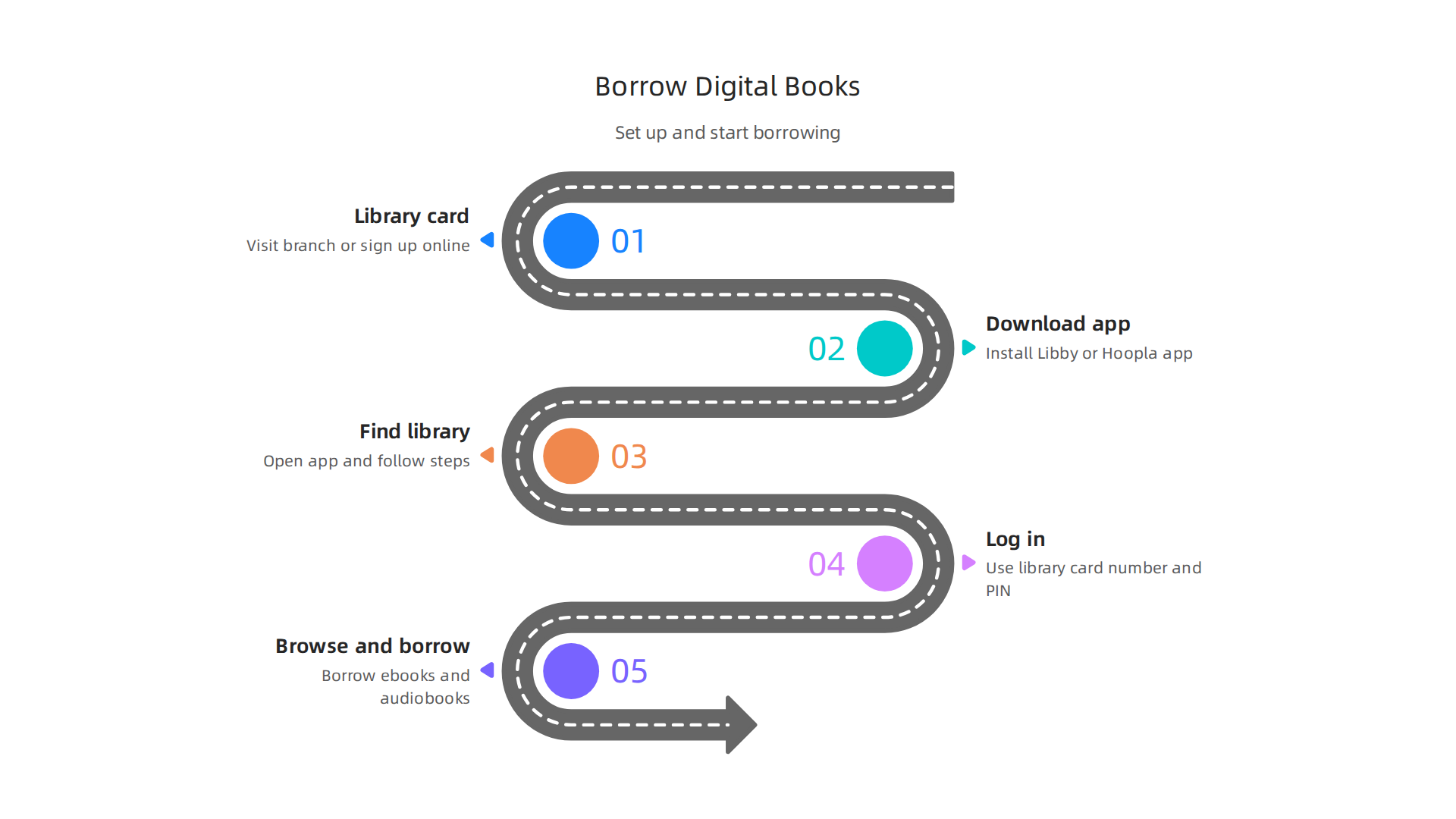
- Get your library card: As mentioned, either visit your local branch or sign up for a digital card online.
- Download the app: Install Libby, Hoopla, or another recommended app from your app store.
- Find your library: Open the app and follow the steps to find your library.
- Log in: Use your library card number and PIN to log into your account.
- Browse and borrow: Start looking for ebooks and audiobooks. You can find everything from exciting new book releases to classic tales that teach children about the world. Many apps even have special sections for free kids books.
Libraries set limits on how many items you can borrow at one time and how many you can place on hold. These limits can change from one library to another. For example, some libraries might let you borrow 10 items, while others allow 25 Libby / Overdrive – Info Guides at Winnipeg Public Library. The number of items you can have on hold might also vary. As of July 1, 2026, for example, the Detroit Public Library adjusted its limits for Libby/OverDrive to 12 item checkouts at a time, with up to 10 additional items on hold Borrowing Limit Update for Hoopla & Libby – Detroit Public Library. Magazines often have no borrowing limits, which is a great way to enjoy many different reads without using up your ebook count.
To get the most out of your digital library experience, especially for free kids books, here are some tips:
- Check other local libraries: If you live near other towns, you might be able to get a card from their library too. Many libraries have agreements that let you use your card across different systems, sometimes called reciprocal digital lending agreements Updates to Libby access at your library. This can give you access to even more books.
- Use the "Notify Me" feature: If a book is checked out, you can place a hold. The app will let you know when it is ready.
- Explore different formats: Besides ebooks, many apps offer audiobooks, which are perfect for listening during car rides or bedtime.
- Discover "Extras": Some libraries offer "Extras" like online courses or streaming video that do not count towards your borrowing limits.
Using your public library’s digital services is a fantastic way to access countless stories and enrich your family’s reading habits without cost. It is one of the best ways to get truly free books and enjoy new book releases. To learn more about other places to find free digital reads, check out our guide on top platforms and apps for free books to read online in 2026.
Using your public library’s digital services is a fantastic way to access countless stories and enrich your family’s reading habits without cost. It is one of the best ways to get truly free books and enjoy new book releases. But what if you want even more options beyond the library, especially for free kids books? Luckily, there are many other online places to find great books for children, from tiny tots to pre-teens.
When looking for free kids books online, it helps to think about your child’s age and reading level. Books are often grouped like this:
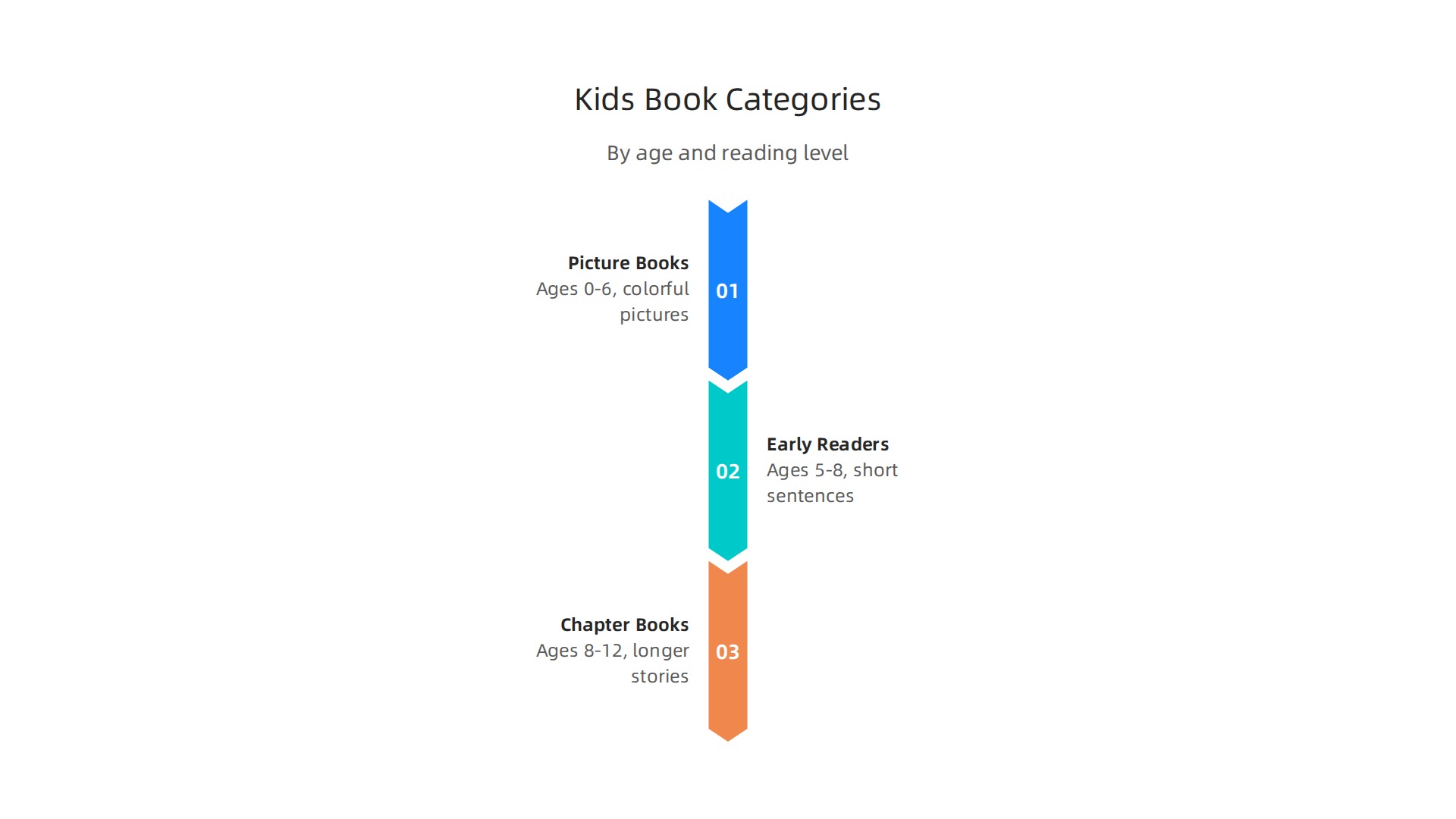
- Picture Books (Ages 0-6): These books use lots of colorful pictures to tell a story. They are perfect for babies, toddlers, and young preschoolers who are just starting to love books. They might have very few words or simple sentences. Some collections even offer special board books or tactile books for the youngest readers Microsoft Word – Document2.
- Early Readers (Ages 5-8): For kids learning to read on their own, early reader books have simple words, short sentences, and often a larger font. The stories are still easy to follow, helping kids build confidence.
- Chapter Books (Ages 8-12): As kids grow, they move to chapter books. These have longer stories, more words on each page, and fewer pictures. They are great for older elementary school children who enjoy a deeper adventure. Libraries and online platforms usually sort books by age group to make choosing easier Children’s Book Regulations in the United States: An Overview.
Top Free Kids Books Collections Online
Beyond your public library, here are some great places to find free digital reads for children:
- Project Gutenberg: This is a famous website for "gutenberg online books free". It offers a huge collection of older books that are no longer protected by copyright. You can find many classic children’s stories here, perfect for chapter book readers or for parents to read aloud. For more details on how to use it, see our guide on Gutenberg Project free books how to access public domain reads.
- Internet Archive: Similar to Project Gutenberg, the Internet Archive has a vast digital library, including many digitized children’s books. You can often borrow them for a short time or find public domain books to keep forever.
- Epic!: While Epic! often works through schools with a subscription, they sometimes offer free access periods or free book collections for kids. For example, they have a special Safety Children’s Book Collection – Epic available. It is a digital library built for kids 12 and under, offering many popular, high-quality books.
- Publisher Websites and Promotions: Sometimes, book publishers or authors will offer a free ebook as a promotion. Keep an eye out for these. They might not be the latest new book releases, but they can be great finds!
Practical Tips for Parents and Educators
Finding free kids books is just the first step. Here’s how to make the most of online reading for your children:
- Choose the Right Books: Always make sure the book is right for your child’s age and understanding. A book for a 12-year-old will be very different from one for a 3-year-old. Think about the story, the words, and the pictures. You can also learn more about what makes a good story for young readers in our article on Mastering children’s book narrative elements for young readers.
- Keep Kids Safe Online: When using online book platforms, it is important to watch what your children are doing. Some platforms have built-in safety features. Always use parental controls if they are available to protect kids in the digital world PROTECTING AND EMPOWERING MINORS IN A DIGITAL WORLD.
- Offline Reading Options: Many apps let you download books to read later without internet. This is great for car rides, trips, or just when you want to turn off the Wi-Fi for a bit.
By using these online collections and tips, you can give your children endless reading adventures without spending a dime. It’s a wonderful way to foster a love for reading and learning.
Ready to explore new ideas and join a community that celebrates curiosity and creativity? Join The Newsletter for updates on books, experiments, and ways to participate.
Beyond simply finding free kids books to read, some online platforms make reading even more exciting! We’re talking about interactive ebooks and browser-based reading platforms. These are special ways kids can read that feel more like playing a game than just looking at words on a page.
Interactive ebooks and browser-based reading platforms for kids and families
Imagine a book that talks to you, lets you tap on pictures to see them move, or even lets you play little games inside the story. That’s what an interactive ebook is! It’s not just a flat picture of words. These books can have:
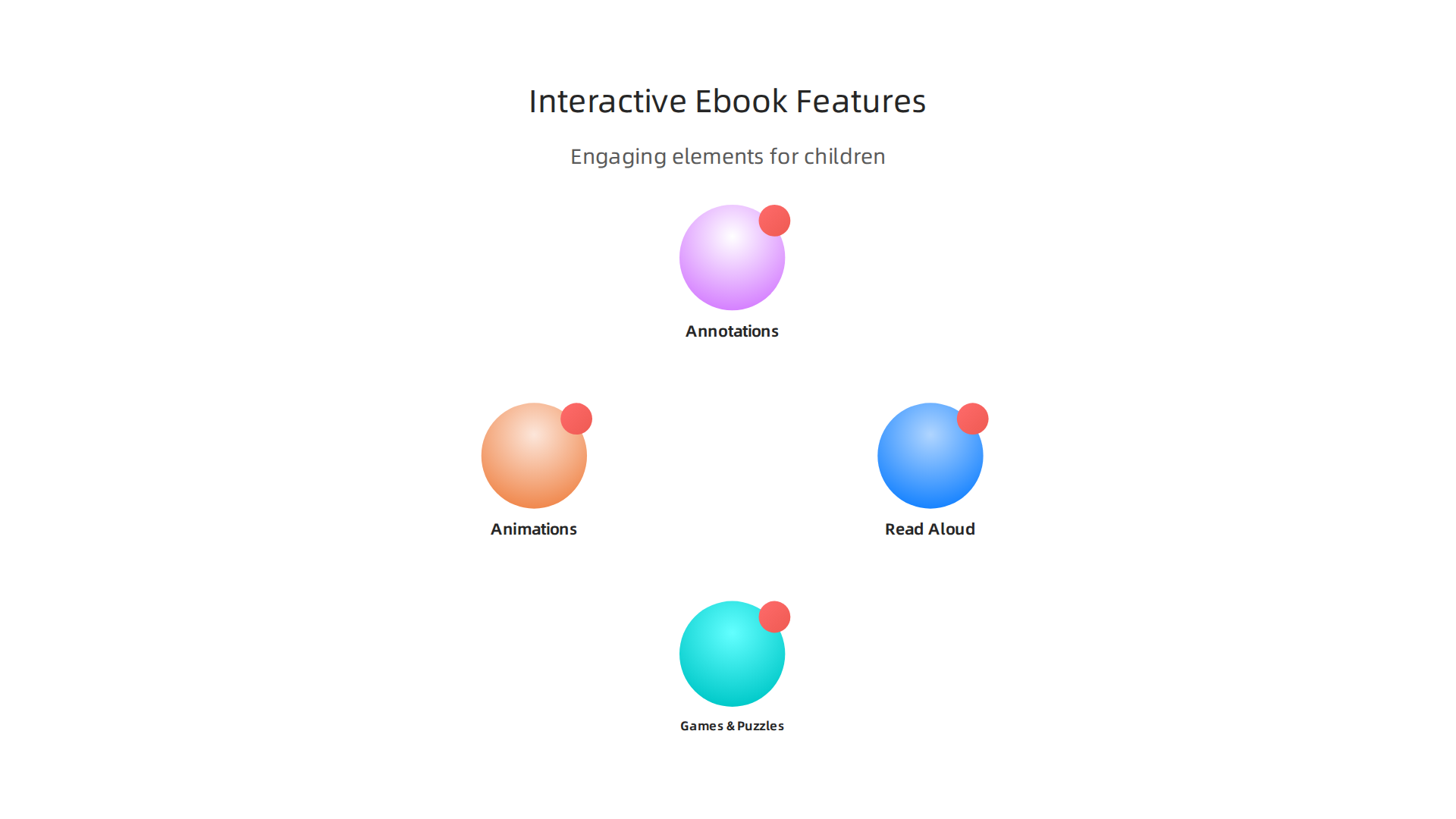
- Read-aloud features: A friendly voice reads the story to your child. This is great for younger kids or those learning to read. It helps them follow along and hear how words sound.
- Games and puzzles: Some interactive free kids books have simple games built right in. Maybe a puzzle to solve or a "find the object" game that relates to the story. This keeps kids engaged and makes reading fun.
- Animations: Pictures might move, characters might wave, or sounds might play when your child taps on certain parts of the screen.
- Annotations and drawing tools: For older kids, some platforms let them highlight words, write notes, or even draw directly on the pages. This helps them think deeper about the story.
Browser-based reading platforms let you read these kinds of digital books right in your internet browser, like Chrome or Safari. You usually don’t need to download a special app for every book. This means you can often access many free kids books without filling up your device’s storage. These platforms are part of what we call Open Educational Resources (OER), which are learning materials that are free for everyone to use and share Home – Open Educational Resources.
Which Ages are Best for Interactive Features?
- Little Ones (Ages 0-6): Interactive books are perfect for babies, toddlers, and preschoolers. The bright colors, simple animations, and read-aloud options help them fall in love with reading. It makes the experience playful and keeps their short attention spans hooked.
- Early Readers (Ages 5-8): For kids just starting to read on their own, the read-aloud feature is a big help. It gives them confidence and teaches them new words. Simple games can also make practicing reading less like work and more like fun.
- Older Kids (Ages 8-12): While older kids might not need read-aloud as much, interactive elements can still be fun. Features like built-in puzzles, quizzes about the story, or places to write their own thoughts can make a new book release more engaging.
Device Compatibility and Privacy
Most interactive ebooks and browser-based platforms work well on many devices, like tablets, smartphones, and computers. This means your child can enjoy their free kids books anywhere.
When letting kids read online, it’s always good to think about privacy. Check if the platform needs to collect much personal information. Many trusted platforms for children’s content are careful about this. Always look for parental controls or privacy settings to keep your child safe while they explore the world book by book.
Want to discover more places to find digital reads for your children? You can check out our article on Top Platforms and Apps for Free Books to Read Online in 2026.
Ready to turn your curiosity into action and connect with others who love exploring new ideas? Join An Experiment to try something simple and build confidence.
Beyond reading with their eyes, kids can also enjoy stories with their ears! Just like interactive ebooks make reading feel like a game, audio options bring stories to life through sound. We’re talking about audiobooks, read-aloud recordings, and podcasts. These are all great ways for young listeners to explore new worlds, often finding many free kids books in audio form.
Audiobooks, read-alouds, and podcasts for young listeners
It’s helpful to know the difference between these kinds of audio stories:
- Audiobooks: These are full recordings of books, often read by one person, or sometimes by many different voices like a play. They let your child enjoy a whole story without needing to look at a screen. You can find audiobooks for everything from classic tales to new book releases.
- Read-aloud Recordings: These are like someone is reading a physical book to your child, but through speakers. Often, these recordings are shorter and sometimes come with sound effects or music. They’re wonderful for younger children who love hearing stories told in a warm, friendly voice.
- Story Podcasts: Think of these as radio shows just for kids. They often have different episodes, each with a new story, adventure, or even fun facts. Podcasts are usually free to listen to and can cover many topics.
When to Use Audio Stories
Audio stories fit perfectly into busy family life. Here are some times they can be a real help:
- Bedtime: A calming audiobook can help kids wind down without the bright light of a screen.
- Car rides: Long trips fly by when everyone is listening to an exciting adventure.
- While playing: Kids can listen to a story while they build with blocks, draw, or do other quiet activities. This is a great way to enjoy stories while doing something else.
- During chores: Washing dishes or tidying up feels faster with a fun podcast in the background.
A great thing about audio stories is they can help manage screen time. Instead of staring at a tablet, your child can close their eyes and just listen, letting their imagination do all the work. It’s a different way to engage with a book or learn something new. For example, some platforms, like Project Gutenberg, offer gutenberg online books free in audio form too, letting you access classic literature.
Tips for Parents: Getting the Most out of Audio Stories
- Choose age-appropriate content: Just like with regular books, make sure the story is right for your child’s age. Look for clear language and topics they can understand.
- Balance screen time: Even though it’s audio, listening on a device still involves a screen to start it. Talk about when and how long your child can listen.
- Use transcripts for literacy support: Some audiobooks and podcasts come with written versions of the story. If your child is learning to read, following along with the text while listening can really help them connect sounds to words. This is a powerful tool for building reading skills. You can sometimes find these extra resources on educational platforms. The Education Resources Information Center (ERIC) is a helpful source for educational materials and research that can guide you in choosing suitable resources ERIC – Education Resources Information Center.
- Explore different types: Try out different audiobooks, read-alouds, and podcasts to see what your child loves. There’s a whole world book of audio out there!
Embracing audio stories gives your child another wonderful way to enjoy tales and learn new things, anytime and anywhere.
Want to stay updated on new ways to engage with stories and join our community? Join The Newsletter for insights into books, experiments, and creative opportunities.
For teens and young adults, the world of reading also offers many amazing free choices. While younger kids enjoy audio stories, older readers have a huge universe of digital platforms where they can find exciting tales, connect with others, and even create their own stories. These aren’t just about finding free kids books; they’re about exploring new ways to read and be part of a community.
Free reading resources for teens and young adults: zines, web novels, and fanfiction hubs
When kids get older, their reading tastes change. They might be looking for something different from the usual library book. Luckily, the internet is full of places offering free reading material that speaks to them.
Web Novels and Serialized Fiction
Imagine reading a story that comes out chapter by chapter, almost like a TV show. That’s what web novels and serialized fiction are! These stories are often shared directly by writers on websites and apps. Many of them are completely free to read. Teens love these because they get to follow along with a story as it unfolds, often getting hooked on a new book release every week. It’s a fun way to find a truly engaging story without paying anything.
Zine Archives
Zines are like small, handmade magazines. They cover all sorts of topics, from personal stories to art and music. They’re often made by people who want to share their unique ideas in a non-traditional way. Today, you can find digital versions of these cool zines in online archives. It’s a great way for teens to discover new voices and see different kinds of writing and art. These archives often contain unique, free books and creative works that you won’t find anywhere else.
Fanfiction Hubs and Online Reading Communities
Many teens love stories based on their favorite movies, TV shows, or books. This is where fanfiction comes in! Fanfiction hubs are websites where writers create their own stories using characters and worlds they love. It’s a huge world book of stories, often written by other teens and young adults.
These hubs are more than just places to read; they are lively communities. Readers can comment on chapters, talk with the writers, and even write their own stories.
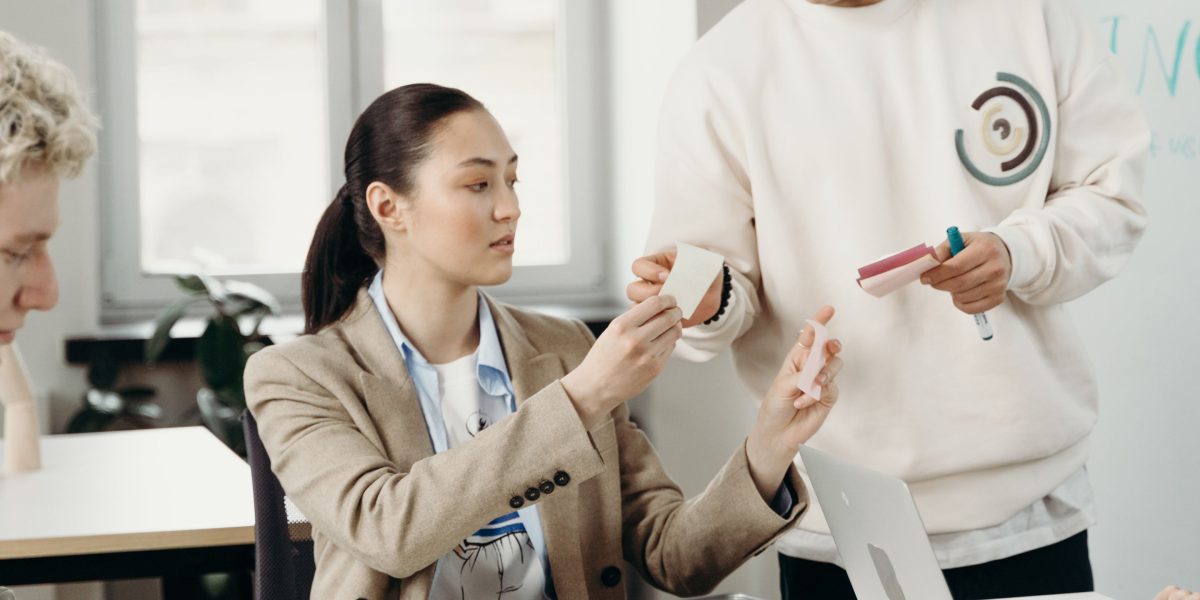
This creates a strong social connection around shared interests, which is much better than just endless scrolling. If you’re looking for ways to share your own stories or reviews, learning how to write a book review can help you join these conversations. For finding even more free reads and connecting with like-minded people, you can learn how to unlock Reddit free books safely and join online reading communities.
Staying Safe in Online Reading Spaces
While these online platforms offer many great things, it’s important to stay safe. Parents and teens should look for sites with clear rules and good moderation. Some online writing communities use professional educators and AI tools to check content and make sure everyone feels safe and welcome, which is a great practice for safe online writing communities for teens. It’s always a good idea to talk about online safety, setting boundaries, and reporting anything that feels wrong. The guidelines for online groups often help keep everyone safe, especially minors participating in creative activities Guidelines for Teen Writers.
Turning Reading into Creative Practice
These platforms don’t just offer free kids books or stories for teens; they also inspire young people to become creators themselves. Reading web novels or fanfiction can spark ideas for their own writing. Many communities host challenges or offer tools for young writers to share their work. This moves teens from just reading to actively participating, which can boost their confidence and give them a chance to share their unique voice. Finding the best websites for creators can help young writers get started.
Exploring these free reading resources helps teens discover new stories and even find their own creative path. It’s about more than just entertainment; it’s about connection and growth.
Ready to move beyond reading and create something cool yourself? Join our community and turn your ideas into action!
How creators and small brands can use free kids books and reading activities to engage audiences
We’ve talked about how teens and young adults can become creators through online reading communities. Now, let’s flip that idea around. Creators and small brands can actually use free kids books and fun reading activities to connect with young audiences in a truly special way in 2026. This is about building a community, not just selling something.
Practical ideas for creators and brands
Engaging with kids and families doesn’t have to cost a lot. Here are some simple ideas:
- Host Online Read-Alongs: Pick a classic children’s story that is free to use because it’s in the public domain. Websites like Project Gutenberg offer many Gutenberg Project free books that anyone can use for free. Creators can then read chapters aloud online, maybe once a week. This creates a shared experience, much like an online book club. Brands can even create their own reading materials to use in these clubs, which helps them reach new people in fun ways, according to experts on Book Clubs: The Untapped Marketing Channel for Brands.
- Offer Creative Prompts: After a read-along, give kids and teens a fun challenge. Maybe they can draw a new cover for the story, write an alternate ending, or even create a short song inspired by a character. This helps them move from just reading to actively creating. It’s a great way to encourage creative thinking, especially when considering mastering children’s book narrative elements for their own work.
- Licensing-Friendly Collaborations: Using public-domain texts means no worries about copyright. This opens the door for easy collaborations. Imagine a small art brand providing coloring pages based on a classic story, or a music teacher creating simple songs from a poem. These free book activities can help brands increase engagement, as seen in case studies like the one with Penguin Young Readers.
Measuring success and building lasting community
It’s important to know if your efforts are working. Brands can track how many people join their read-alongs, how many share their creative responses, and how many new followers or email sign-ups they get. The goal isn’t just a one-time event; it’s about building a loyal audience.
For example, large reading programs have shown that giving away free books can lead to more reading and more people joining activities. A program called Cleveland READS gave out almost 400,000 new free books and reached nearly 80,000 people at events, showing a big impact from their efforts. Tracking things like minutes spent reading or books completed can also boost participation in reading challenges, as noted in tips for Boost Reading Challenge Participation with 6 Research-Backed Tips.
When you offer truly valuable experiences, like providing free kids books and a space for creativity, people will naturally want to stick around. This turns passive scrolling into active participation and builds a real community. It’s about creating an engaging story or a new book release that keeps people hooked and wanting to share.
If you want to stay in the loop about new reading challenges, creative experiments, and community opportunities, there’s an easy way to get updates.
Now, let’s look at how we can make reading even more welcoming for everyone. Providing free kids books and reading activities is wonderful, but it’s even better when these resources are easy for all children to use, no matter their learning style or language. In 2026, there are many amazing free resources available for diverse learners and those who speak different languages.
Making free books easy for everyone to read
Sometimes, a child might need books that are a little different to help them learn and enjoy reading. This means looking for things like:
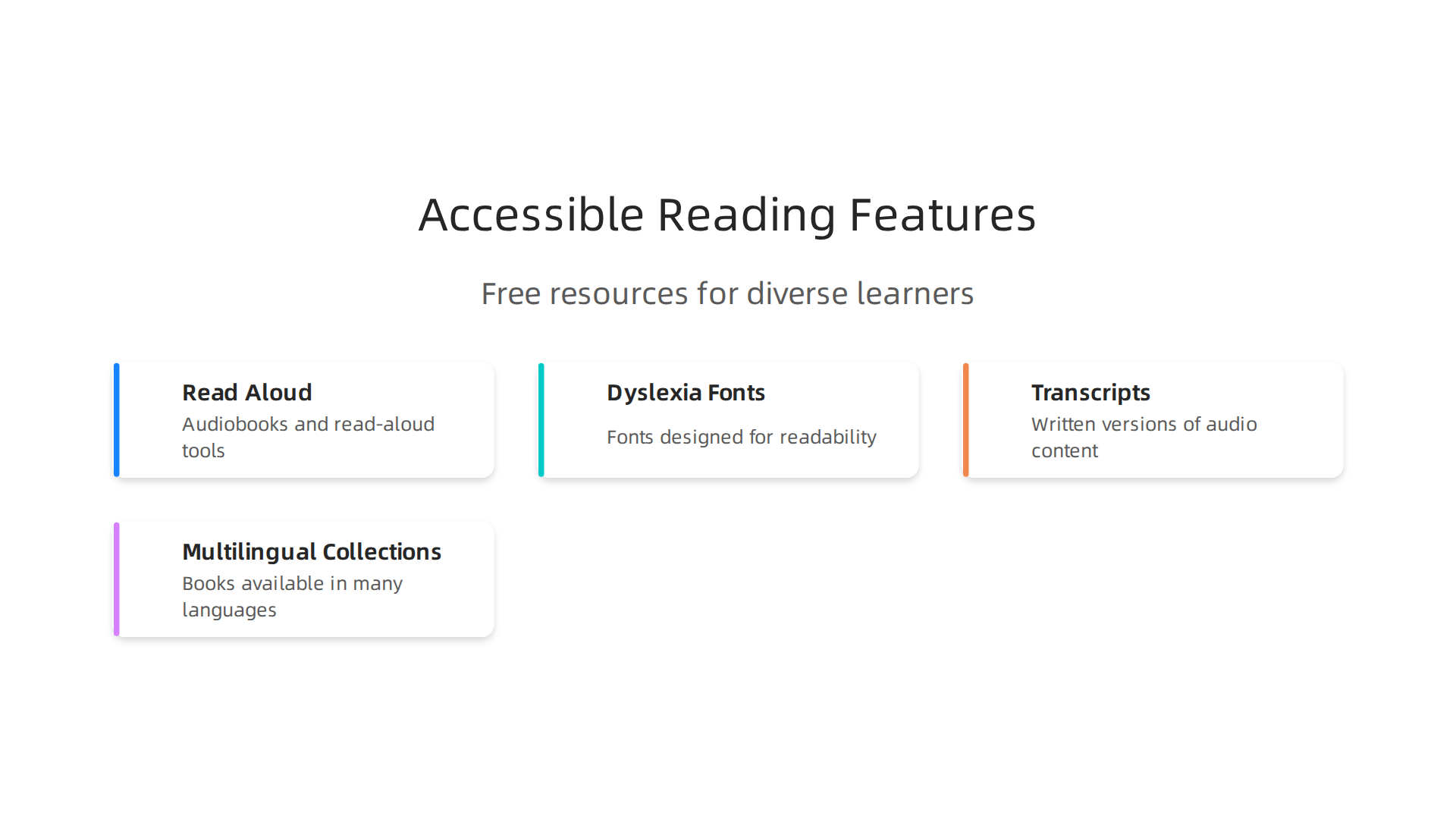
- Read-Aloud Options: These are like audiobooks that read the story out loud. They help kids who might have trouble reading the words themselves, or those who are just starting to learn a new language. You can often find free audiobooks through open access programs, like those listed by the Open Access Books, E-Books & Open Data for Engineering guide, which points to places like Open Culture and the Internet Archive.
- Dyslexia-Friendly Fonts: These special fonts make words clearer and easier to read for kids with dyslexia.
- Transcripts: These are written versions of audio content. They help kids follow along with read-alouds and can be great for learning new words.
- Multi-Language Collections: Books available in many languages help kids learn in their native tongue or practice a new one. This also helps families from different backgrounds feel included.
These types of helpful materials are often called Open Educational Resources (OER). OER are teaching and learning materials that are free to use, share, and change to fit different needs. This makes them perfect for creating learning content for all students, according to an important paper on the accessibility of learning content for all students, including.
How families and teachers can use these materials
It’s easy for families and educators to find and use these free kids books and learning tools. Many libraries and online platforms offer them. For instance, the Education Resources Information Center (ERIC) provides a lot of free educational resources.
Here are some tips:
- Search for OER: Look for websites that offer "Open Educational Resources." Many universities and education groups share these. Some resources even provide an Accessibility Toolkit for Open Educational Resources (OER): Home to help everyone make sure their materials are easy for all to use.
- Adapt Materials: If you find a free book online, you can often change it to make it more helpful. For example, you might make the text bigger, change the font, or even add notes. Tools exist to help with making files like PDFs easier to access, as noted in resources on Accessibility for OER – Open Educational Resources.
- Explore Free Book Platforms: There are many places online where you can find free books to read. Check out our guide on top platforms and apps for free books to read online in 2026 to get started. You can also learn about Audible book subscription your 2026 guide to credits free books and top alternatives for audio options.
- Encourage Writing: Reading is just one part of learning. Encourage children to write their own stories or practice their letters. A guide to building writing confidence can be a great next step.
By using these open and accessible resources, we can make sure that all children, no matter where they come from or how they learn, can enjoy the magic of reading. It’s about opening up the world of stories and knowledge to everyone.
Summary
This guide shows families, educators, and creators how to find and use free online reading resources for kids and teens so screen time becomes active learning. It explains how to get started with your public library (library card, Libby/OverDrive, Hoopla), where to find public-domain gems like Project Gutenberg and the Internet Archive, and which apps and browser platforms host interactive ebooks and audiobooks. The article covers age-appropriate choices—from picture books to chapter books and web novels—plus audio options, read-aloud tools, and safe online communities for older readers. It also offers tips for creators and small brands to run read-alongs, prompts, and community events using licensing-friendly public-domain texts. Finally, the guide highlights accessibility features (read-alouds, dyslexia-friendly fonts, transcripts) and Open Educational Resources so every child can join the reading adventure. After reading, you’ll know where to look, how to set up accounts, and practical ways to make free digital reading safe, engaging, and inclusive for your family or audience.