
Why study The Alchemist now? Framing the cultural conversation
Have you ever picked up a book that just stays with you, even years after you’ve finished reading it? For many, that book is The Alchemist. This special story by Paulo Coelho is more than just a tale; it’s like a guide for life that millions have read. People keep coming back to the alchemist book because its simple lessons about finding your purpose and chasing your dreams feel real and important, even in 2026.
But why should we look at The Alchemist more closely right now? Well, our lives today are often very busy. Many of us feel lost in endless online scrolling or disconnected from others. We might feel lonely or unsure about what we really want. It’s easy to get caught up in our phones and forget to "blow the dust off a book" that could help us think deeply.

This article is here to help. We’re going to dive into the important ideas and lessons in The Alchemist. When we study a book’s themes, it’s like we’re peeling back layers to see its true heart. This helps us understand the story better and connect it to our own lives.
You’ll find practical ways to use the wisdom from this book. This isn’t just about reading; it’s about finding ways to connect with others and take action in your own life. We believe that good books can bring people together and help us feel less alone. They can even inspire us to create something new or join a group that shares our interests, like a Book Clubs Offer True Connection Far Beyond Endless Scrolling. By looking at The Alchemist together, we can move from feeling overwhelmed to finding laughter, purpose, and real connections.
If you want to stay updated on new ways to connect through books, experiments, and creative challenges, then you should Join The Newsletter and become part of our growing community.
What The Alchemist says at first glance: plot, voice, and accessibility
When you first open The Alchemist, you’re introduced to Santiago, a young shepherd boy from Spain. He has a recurring dream about a treasure hidden near the Egyptian pyramids. This dream sparks a journey that takes him far from his familiar life. He sells his sheep and travels across the desert, meeting various people who share bits of wisdom along the way. His path is filled with challenges and lessons about listening to his heart, understanding omens, and staying true to his "Personal Legend," which is like his life’s true purpose or destiny. This simple story about a shepherd searching for treasure is, at its core, a journey of self-discovery and personal growth.
One of the main reasons so many people connect with the alchemist book is how easy it is to read and understand. Paulo Coelho tells Santiago’s story in a very straightforward way, using simple language that feels almost like a fable or a myth. The story follows Santiago’s journey from beginning to end, making it easy for readers to follow along without getting lost in complex twists or hard-to-understand words. This simple style uses a narrator who knows everything about Santiago’s thoughts and feelings, helping us connect deeply with his adventure and inner world The Peculiarities Of Narrative Style And Language In The Alchemist.
This direct and uncomplicated way of writing makes The Alchemist very welcoming to people from all walks of life. Whether you’re a new reader or someone who loves to dive deep into books, the simple language and clear plot invite you in. Because it’s so easy to follow, it’s a great book for group discussions. People from different cultures and backgrounds can all understand Santiago’s journey and connect with the main ideas, like finding your purpose or overcoming fear. This clear storytelling and use of allegory help readers grasp broader ideas through simple characters and events The Alchemist by Paulo Coelho | Summary, Themes & …. It helps everyone feel like they can pick up the book, "blow the dust off" it, and immediately relate to its timeless messages.
Actually, this straightforward approach also means the book is often used in schools and book clubs. Its themes of pursuing dreams, personal transformation, and spiritual journeys are universal The Alchemist – Sindh University Journals Online. You don’t need a fancy literature degree to enjoy or discuss it. Instead, its charm lies in its ability to offer a clear, inspiring narrative that sparks thought and conversation, making it perfect for groups wanting to explore deeper meanings together. If you’re looking for more ways to find and discuss books, you might be interested in exploring some top platforms and apps for free books to read online in 2026.
When people talk about the alchemist book, they often come back to its main ideas and special symbols.
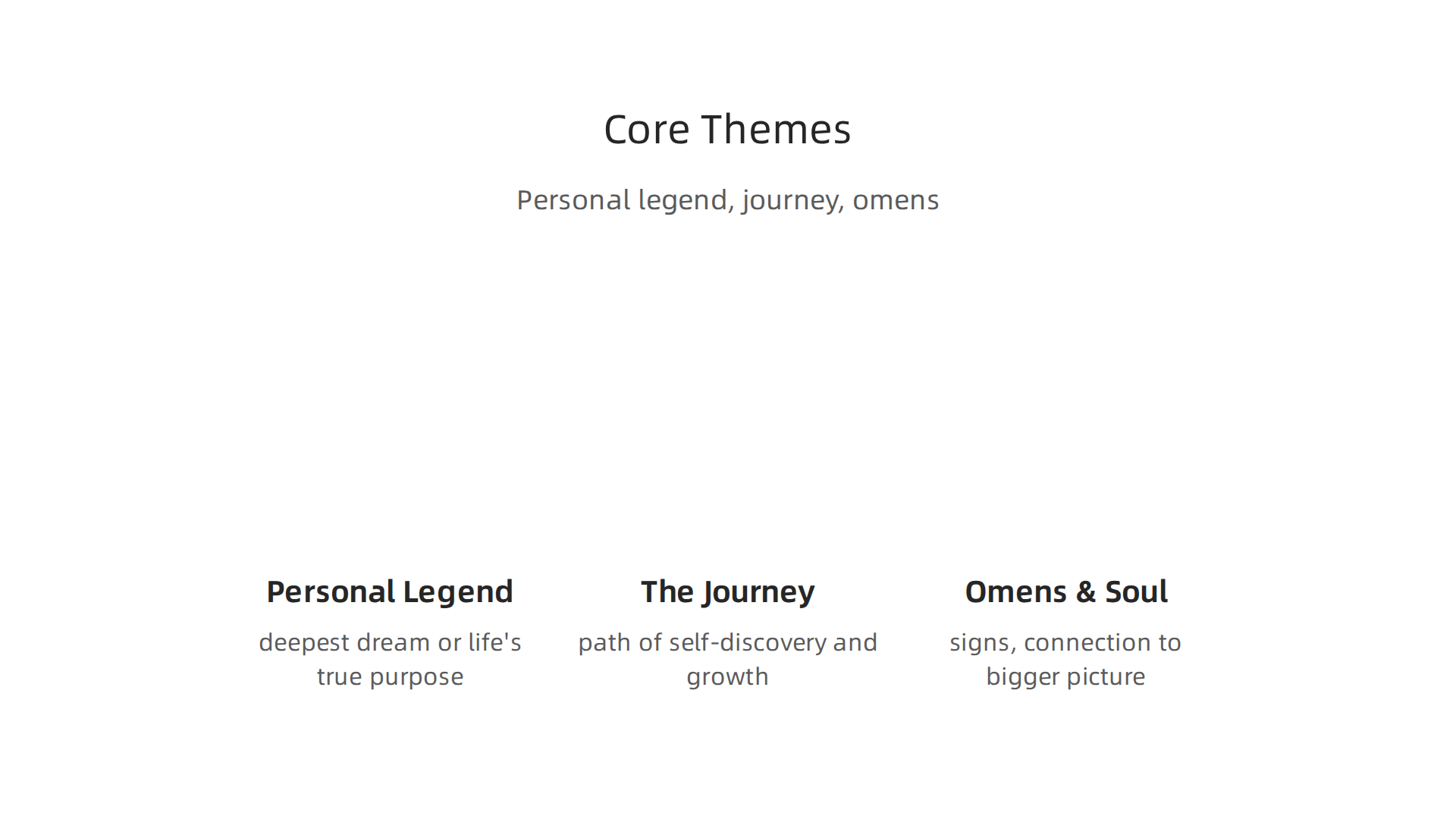
These are the parts that make the story stick with you and make you think about your own life. The book is full of lessons that encourage you to look inside yourself and take steps to achieve your dreams.
Personal Legend: Your Life’s True Calling
One of the biggest ideas in The Alchemist is "Personal Legend." This is like your deepest dream or your life’s true purpose. Santiago’s Personal Legend is to find the treasure at the pyramids. The book teaches that everyone has a Personal Legend, and the most important thing is to find it and follow it. It’s not always easy, and there will be challenges, but the universe will help you if you try. This idea encourages readers to really think about what they want to do with their lives and not give up on their goals The Alchemist Themes.
The Journey: Growing Along the Way
Santiago’s trip across the desert is more than just travel; it’s a huge part of his personal growth. The journey itself is a symbol of life’s path. As Santiago faces dangers, learns new things, and meets different people, he changes. He becomes wiser and stronger. This shows us that the lessons we learn and the person we become during our efforts are just as important as reaching our final goal. The story helps us see that our own life journeys are full of chances to grow and become better. The journey of self-discovery is a main theme in The Alchemist, showing how challenges lead to wisdom. In fact, many stories use a journey to explore personal change, much like in The Book of Disquiet: Unlock Fernando Pessoa’s Guide to Self-Discovery.
Omens and The Soul of the World: Listening to Life’s Hints
Throughout the alchemist book, Santiago learns to pay attention to "omens." These are like secret signs or hints from the world around him that guide him on his path. A butterfly flying by, two hawks fighting, or even a simple stone can be an omen. He also learns about the "Soul of the World," which is the idea that everything on Earth is connected and has a spirit. This teaches Santiago, and us, to listen to our feelings and trust our gut. It’s about being aware and understanding that there’s a bigger picture. The desert itself, for instance, serves as a powerful symbol for tough trials in life, connecting to nature and the interconnectedness of all beings through the Soul of the World Santiago’s Self-Discovery in Paulo Coelho’s the Alchemist.
Other symbols also pop up, like Santiago’s sheep at the beginning (representing a simple, safe life) and alchemy itself (which means turning something ordinary into something special, like turning lead into gold, but also turning ourselves into our best selves). These symbols make The Alchemist a book that keeps giving you new things to think about every time you read it. It helps you see that every step you take and every choice you make is part of your own special story.
This deep dive into themes and symbols is why The Alchemist is more than just a story; it’s a guide. It encourages you to not just read, but to really think about your life and what you can do. Are you ready to explore your own Personal Legend?
Ready to turn your thoughts into action and discover new paths?
Join An Experiment
The ideas in The Alchemist about finding your purpose and listening to life’s hints are so strong that they have reached people all over the world. This is why the alchemist book has become a truly global story. It started as O Alquimista in Portuguese in 1988, written by Paulo Coelho. Since then, it has been translated into more than 80 languages and has sold over 150 million copies worldwide, making it one of the most loved books ever Paulo Coelho’s journey to success with The Alchemist. Some even say it’s been translated into as many as 89 languages 30 Jahre ›Der Alchimist‹ – Ein Buch, das um die Welt geht.
This wide reach means that people from many different backgrounds have been able to read Santiago’s story in their own language.
When a book is translated, it allows new readers to connect with the themes in ways that are special to their own culture. For example, in one country, the idea of "Personal Legend" might make people think about personal freedom. In another, it might be about duty or community. This creates many different ways for people to understand and talk about the book’s messages. Actually, Paulo Coelho even holds a Guinness World Record for being the most translated living author for the same book How Paulo Coelho became the most translated living author ….
The simple language and deep wisdom of The Alchemist make it easy for anyone to pick it up and feel its power. You don’t need to be a scholar to understand Santiago’s journey. This has helped it become popular with all kinds of readers, from students to world leaders. The book’s timeless advice about trusting your path and pursuing your dreams speaks to a universal human experience. It’s like blowing dust off a book that holds a secret everyone needs to hear. The book has even inspired a global reading event, the Paulo Coelho Book Club, which is running throughout 2026 to bring more people together around his works Latest News Archives.
Because so many people have read the alchemist book, different groups and communities have formed around it. People discuss its meanings, share their favorite parts, and think about how Santiago’s story relates to their own lives. These discussions often happen in online spaces, sometimes even on forums where people look for free books Reddit. The fact that it connects so many readers across borders shows how powerful a simple, heartfelt story can be.
If you enjoy joining conversations about books and stories that make you think, there are many ways to connect with other readers. Book clubs offer true connection far beyond endless scrolling and can be a great way to explore these ideas even further.
Do you want to stay in the loop about new books, challenges, and creator opportunities?
Join The Newsletter
When people gather to talk about books like the alchemist book, they want more than just to remember what happened in the story. They want to dig deeper, connect the story to their own lives, and learn something new. Setting up a good book study helps everyone do just that. Here’s a simple plan you can use to make your discussions truly special.
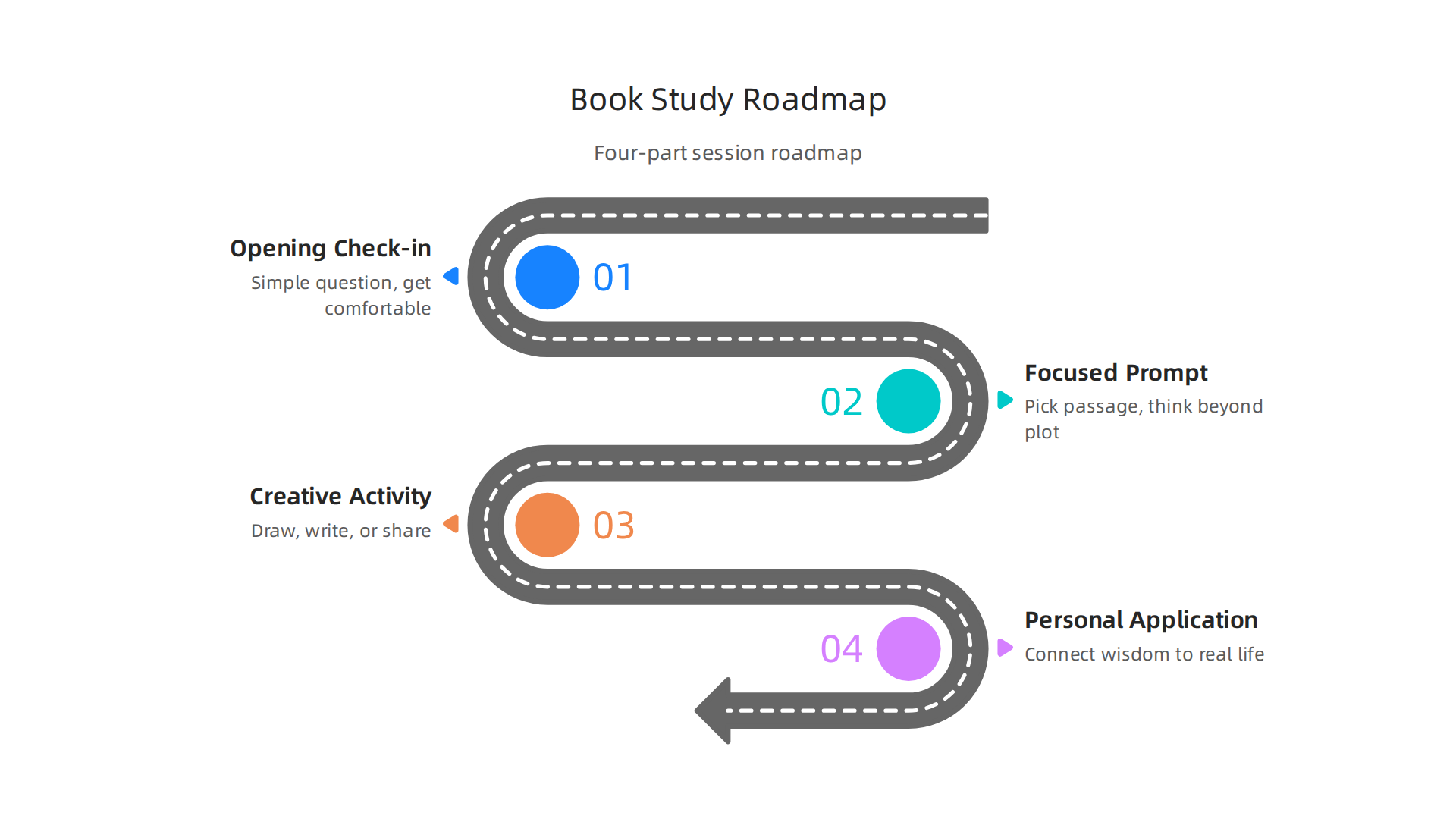
Session Template for The Alchemist Book Study
Think of this template as a recipe you can change to fit your group.
-
Opening Check-in (10-15 minutes):
- Start with a simple question to get everyone comfortable. For example, "What’s one feeling Santiago’s journey brought out in you this week?" or "What’s a ‘hint’ from life you noticed recently, like Santiago did?"
- This helps everyone share a little bit about themselves and warm up their thinking.
-
Focused Reading Prompt (20-30 minutes):
- Pick a small part of the alchemist book that stands out. Maybe a specific quote or a scene.
- Ask a question that makes people think beyond just what happened. For instance, "Santiago learns about ‘omens’ from the old king. What are some ‘omens’ or signs you’ve seen in your own life that guided you?" or "The shepherd boy leaves his sheep to follow his dream. What’s something you might have to leave behind to chase your own ‘Personal Legend’?"
- This helps members explore the themes deeply, connecting the story to their own experiences.
-
Creative Activity or Journaling (15-20 minutes):
- Sometimes, talking isn’t the only way to share. Offer a short activity.
- Ideas:
- Drawing: "Draw a symbol that represents your ‘Personal Legend’."
- Writing: "Write a short paragraph about a ‘treasure’ you hope to find, even if it’s not a real gold chest."
- Sharing a song/poem: "Bring a song or poem that reminds you of Santiago’s journey or your own dreams."
- This can help people express ideas in new ways and see the book’s themes from a different angle.
-
Reflection and Personal Application (10-15 minutes):
- End by bringing it back to "now." Ask, "How can Santiago’s courage or trust in his path help you with something you’re facing this week?" or "What’s one small step you can take toward your own dream after reading this section?"
- This helps everyone leave with a clear idea of how the book’s wisdom applies to their real life.
Tips for Leading Great Discussions
Making a book study feel welcoming and safe for everyone is key. Here are some pointers for facilitators:
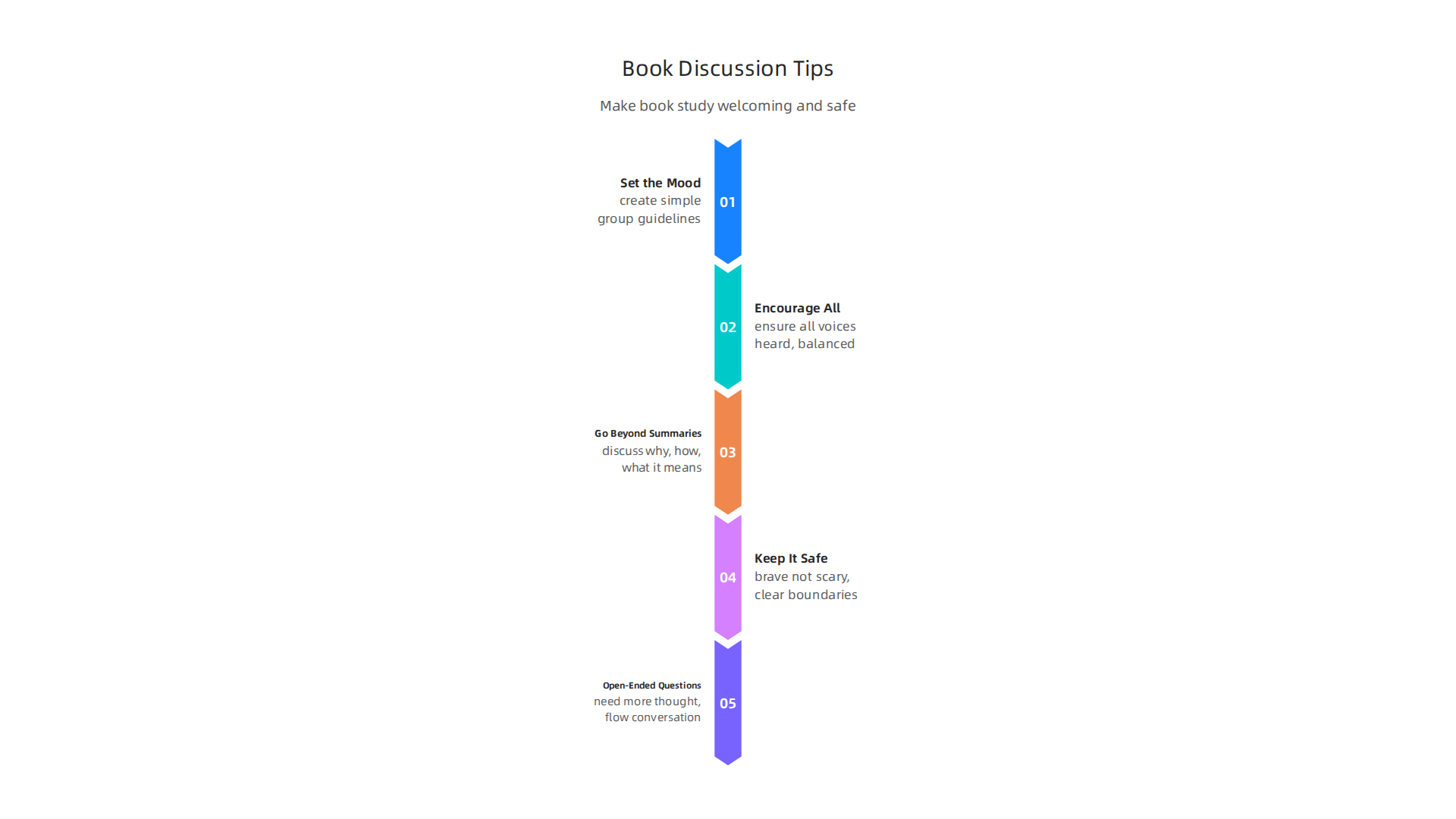
- Set the Mood: At the first meeting, work together to create simple group guidelines. For example, agree to "speak from your own experience" or "listen with an open mind." This makes sure everyone feels heard and respected Tips for Leading a Book Study.
- Encourage Everyone: Make sure all voices get a chance to be heard. If someone is quiet, you might gently invite them to share. If someone talks a lot, you can politely ask if others have thoughts. Good facilitators try to keep discussions balanced Facilitator Guide.
- Go Beyond Summaries: It’s easy to just retell the story. Gently guide the group to talk about why things happened, how characters felt, and what it means for them personally. The goal is to apply the lessons, not just remember the plot Facilitating Effective Discussions.
- Keep It Safe: Remind everyone that it’s okay to have different ideas. The space should feel brave, not scary. You can make sure boundaries are clear about what kind of talk is okay Book circles & in-class discussions. One way is to ask students, "What do you need to have a safe yet courageous conversation?" Establishing A Safe Space & Setting Up Discussion Guidelines.
- Focus on Open-Ended Questions: Instead of questions that can be answered with a "yes" or "no," ask questions that need more thought. This can help you with Open Book Thinking and make the conversation flow.
By following these tips, you can help everyone in your group truly connect with the alchemist book and with each other. It’s a great way to blow dust off book pages and find fresh insights.
Are you ready to turn these insights into real-world action?
Join An Experiment
By following these tips, you can help everyone in your group truly connect with the alchemist book and with each other. It’s a great way to blow dust off book pages and find fresh insights. Now, let’s talk about turning those insights into even more action and shared fun.
Activities, prompts, and micro-experiments inspired by the book
Reading a book like The Alchemist is just the start. The real magic happens when you use its lessons in your own life.

This is where "micro-experiments" come in handy. These are small, easy activities that you or your group can try between book study sessions. They help you think differently and grow. In fact, simple, repeated activities are key to keeping book clubs lively in 2026, often called "micro-rituals" Friend Book Clubs in 2026: Micro-Rituals, Audio, Community.
Here are some ideas for your own micro-experiments, inspired by the themes in The Alchemist:
Journaling Prompts: Look Inside Yourself
- Your Personal Legend Map: Santiago has a "Personal Legend" to find his treasure. What is your own "Personal Legend"? Write down what it means to you and some small steps you can take to get there.
- Omens I’ve Noticed: The book talks about omens, or signs from the world. Think about your week. Did you notice any small signs or coincidences that felt like a nudge in a certain direction? Write them down and what they made you feel.
- Talking to My Heart: Santiago learns to listen to his heart. What is your heart trying to tell you right now? Write it down without judging it.
Creative Sprints: Make Something New
- Dream Symbol Drawing: Draw a simple picture or symbol that shows your biggest dream or goal. It doesn’t have to be perfect, just meaningful to you.
- Song of My Journey: Find a song that reminds you of Santiago’s journey, or even your own life path. Share why it connects with you.
- A "Thank You" Note to the Universe: Write a short thank you note to the universe (or life, or fate) for one good thing that happened recently, big or small.
Small Public Actions: Step Out a Little
- A Kind Word: Santiago meets many people. This week, make an effort to give a genuine compliment or kind word to someone you meet, like a cashier, a friend, or a family member.
- Share Your Treasure: What’s a small piece of wisdom or something cool you learned from The Alchemist book? Share it with one person outside your book club. It could be a quote or a new idea.
- Explore a New Path: Santiago leaves his comfort zone. Try something new this week, even if it’s small. Visit a new park, try a new recipe, or explore a topic you know nothing about. You might even discover some interesting top platforms and apps for free books to read online in 2026 that introduce you to new authors.
Why These Micro-Experiments Help
These small actions do a lot of good.
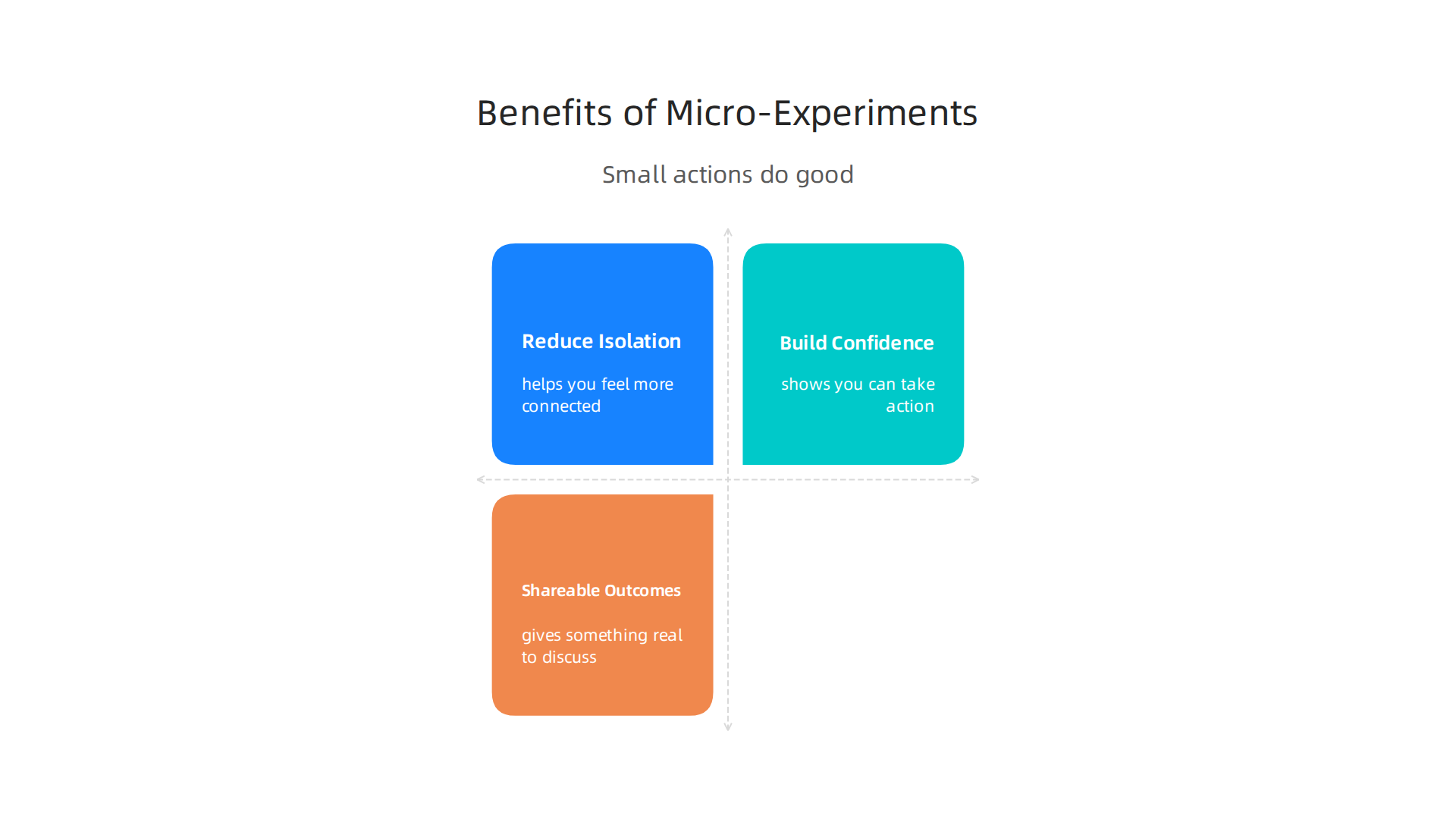
- They reduce isolation: When you share your experiences, drawings, or discoveries from these experiments with your group, it helps you feel more connected. You realize you’re not alone in your journey. Creating a sense of belonging through peer-led digital communities is a growing trend in 2026 Navigating student engagement and belonging post-pandemic.
- They build confidence: Trying something new, even tiny steps, makes you feel braver. It shows you that you can take action toward your dreams, just like Santiago. These small wins are like "micro-achievements" that make you feel good and want to do more Micro-Achievements Drive Civic Engagement in 2026.
- They create shareable outcomes: These activities give you something real to talk about beyond just the book. This is great for any creator or brand who wants to engage an audience. Instead of just talking about the book, you are making discoveries and creations that others can see and get excited about. When people actively join in, it’s a strong sign of a successful community. Measures like active users and how often people post or comment can show how well a community is doing Measuring Community Success: What Metrics Matter (and …).
By doing these fun, easy experiments, you’re not just reading The Alchemist, you’re living it. You’re transforming feelings of loneliness or self-doubt into laughter, action, and new connections.
Reading the alchemist book and turning feelings of loneliness or self-doubt into laughter, action, and new connections goes much further than just your personal reading. It creates real impact, not only for individuals but also for creators and even big brands.
The Impact on Readers: Personal Growth and Connection
When you truly engage with a story like The Alchemist, a book known for its widespread appeal since 1988, you start to see your own world differently The Alchemist | Coelho Novel, Plot, Reception, Context, …. The micro-experiments and discussions we’ve talked about help you apply the book’s lessons directly to your life. This process helps readers overcome negative feelings, replacing them with action and a sense of purpose. It’s like blowing dust off book pages to find new, exciting parts of yourself and build real connections with others. This kind of interaction helps foster true connection far beyond endless scrolling.
For Creators: Sparking New Ideas and Campaigns
For creators, these themed studies and challenges are a goldmine for new ideas. Imagine creating art, music, or stories inspired by Santiago’s journey to find his Personal Legend. This active participation can lead to amazing creative campaigns. Platforms like The Ridiculous can help creators, artists, writers, and musicians share their work and find recognition within a growing community. It’s a way to turn inspiration from a beloved book into tangible creative output.
For Brands: Building Engaged Communities
Even brands can benefit greatly from these kinds of engaged communities. For instance, the Paulo Coelho Book Club launched in 2026 shows how connecting fans around the alchemist book can build strong bonds and lasting relationships Latest News Archives – Sant Jordi Associados. Brands can use themes from a book to start conversations, challenges, or creative projects that bring people together. This leads to deeper customer loyalty and better visibility. It’s about building a lively, active community instead of just having people passively watch.
Measuring the Impact of Book-Study Initiatives
So, how do we know if these efforts are really working and making a difference? We can look at different kinds of evidence:
- Numbers: This means tracking how many people are actively taking part each day, week, or month. We can also count how often they post, comment, or share, and how much time they spend engaging. These are often called User Engagement Rate and Monthly Active Users (MAU) in digital book clubs 7 KPIs for Digital Book Club Optimization.
- Stories: Beyond numbers, it’s important to hear what people actually say about their experience. Collecting testimonials, stories, and feedback from members tells us about their personal growth, new skills, and overall satisfaction. This is known as gathering "community narratives" and is key to understanding the less obvious benefits Community Engagement 101: Ultimate Beginner’s Guide.
By looking at both the numbers and the stories, we can truly understand the big impact that books and shared experiences can have. It helps transform old ways of reading into active, joyful participation. If you want to stay connected with new ideas, book insights, and community challenges, you can Join The Newsletter. Or, if you’re ready to take a small step and turn inspiration into action, why not Join An Experiment today?
Moving from just seeing the positive effects of shared reading, it’s also smart to think about times when discussions might get a little tricky. Even when we’re all blowing dust off book pages together, not everyone will agree on everything. This is totally normal. Actually, getting different ideas out in the open makes our learning even stronger.
Acknowledging Common Criticisms
Even popular books like the alchemist book can get different reactions. Some people might find its simple style a bit too plain, or feel that some parts repeat themselves. Others might have strong feelings about the ideas in the book, maybe seeing them differently based on their own culture or beliefs. For example, a book that means a lot to one person might not connect with another in the same way. These are all valid ways to feel and think about a story. It’s not about being "right" or "wrong," but about understanding why different views exist. When we discuss a book, it’s a chance to explore these different ideas and learn how to how to write a book review that makes every story count from various angles. Thinking about 10 story elements every novel and short story needs can also help people talk about what works and what doesn’t for them in a story.
Guiding Tough Conversations in Group Study
When you’re part of a group studying the alchemist book or any other read, it’s good to have a plan for when opinions differ.

The key is to create a safe space where everyone feels comfortable sharing Establishing A Safe Space & Setting Up Discussion Guidelines. Here are some easy ways to do this:
- Set Clear Rules: At the start of your group, decide together on some simple rules. Things like "be kind" or "listen when others speak" can go a long way Facilitating Effective Discussions. It’s helpful to agree to assume positive intent and keep what’s shared in the group private Tips for Leading a Book Study.
- Use "I" Statements: Encourage everyone to share their thoughts starting with "I believe" or "I feel." This helps people speak from their own experience without telling others what they should think Establishing A Safe Space & Setting Up Discussion Guidelines.
- Listen Actively: This means really paying attention when someone else talks, even if you don’t agree. Try to understand their point of view before you share your own Facilitator Guide.
- Welcome Different Ideas: A good discussion group should include many different perspectives. Make sure everyone gets a chance to speak and that no one person takes over the conversation Facilitator Guide.
- Keep on Track: Sometimes talks can wander. A group leader can gently bring the conversation back to the book’s themes, while still allowing for natural flow Facilitator Guide.
By following these tips, your group can talk about even tricky subjects in a way that helps everyone learn and grow. It’s all about having open book thinking and finding new insights together, even when ideas clash a bit. Remember, finding ways to discuss and understand different views is part of what makes these shared reading experiences so powerful.
Summary
This article explains why Paulo Coelho’s The Alchemist still matters and shows how to study it with purpose. It summarizes the simple plot and readable style that make the book widely accessible, then unpacks core ideas like the Personal Legend, omens, and the Soul of the World. You’ll get a ready-to-use book-study template, facilitation tips for safe conversations, and a variety of micro-experiments and creative prompts to turn reading into action. The piece also explores how shared reading can reduce isolation, spark creator campaigns, and help brands build engaged communities, plus how to measure those effects. Finally, it offers guidance on handling criticism so groups can learn from disagreement and grow together.