
Why ‘Open Book’ Thinking Matters Today
It feels like the world moves faster than ever, doesn’t it? With so much noise from our phones and computers, it’s easy to feel pulled in many directions. This can lead to feeling worried, alone, or stuck just scrolling through endless content without much purpose. It’s a real challenge to find calm and focus in 2026.
But what if we could turn those moments of digital overload into chances for growth and connection? That’s where "open book" thinking comes in. It’s about more than just reading a story. It’s about being open to new ideas, truly paying attention, and letting different thoughts shape you.

This way of thinking helps you dive deep into topics, learn new things, and even change how you feel day to day.
Actually, many people still find comfort and knowledge in reading. A survey from October 2025 showed that about 75% of adults in the U.S. read at least part of one book in the past year.
Print books are still very popular, with about two-thirds of adults saying they read them Americans still opt for print books over digital or audio …. The book, in its many forms, offers a break from the fast pace and a chance to think.
In this article, we’ll explore how to fully embrace this "open book" mindset. We’ll look at the best ways to read, whether you prefer physical copies, e-readers, or audiobooks. You’ll discover simple habits that help you read more and remember what you learn. We will also dive into how sharing your reading journey with others can create meaningful connections and how to use helpful tools and communities to make reading even better. Get ready for practical steps that will help you find an educated book that will transform your thinking and bring more laughter and purpose into your life.
Do you want to stay in the loop with new ideas, reading challenges, and opportunities to connect?
Join The Newsletter
Digital Reading Formats: Ebooks, Audiobooks, and Beyond
So, we just talked about how thinking with an "open book" mind can help us grow. Now, let’s look at the different ways we can enjoy a story or learn something new in 2026, especially beyond a paper copy.
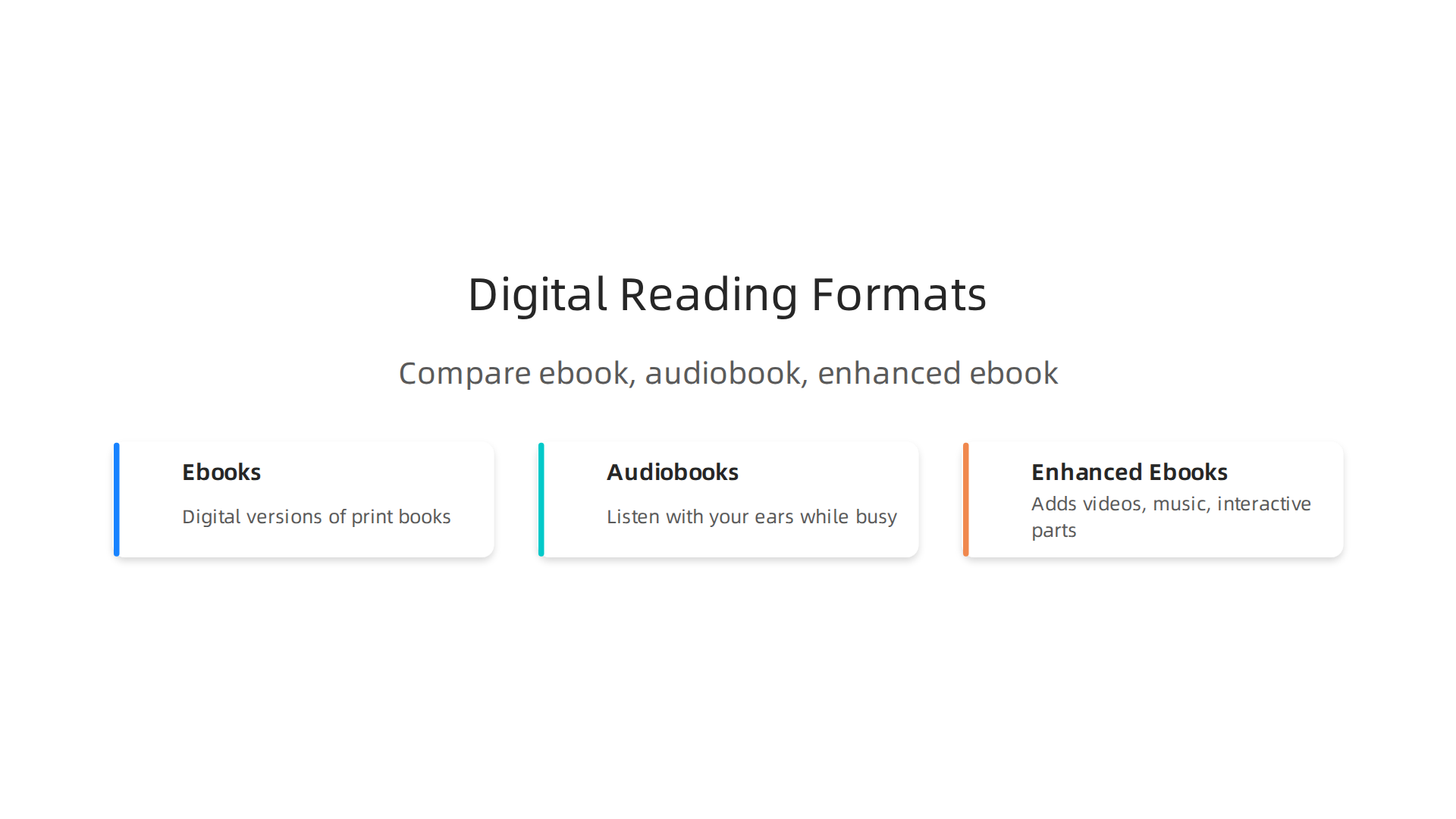
Digital reading has changed a lot, making it easier for everyone to access knowledge and fun.
Ebooks: A Library in Your Pocket
Ebooks are simply books you read on a screen. Think of them as digital versions of the print books you know. You can read them on special devices like e-readers, or even on your phone, tablet, or computer. What’s neat about ebooks? They’re super light and portable. You can carry thousands of books with you without a heavy bag. You can also change the size of the words to make them easier to see, and even search for specific words or phrases quickly. This is a big help for many readers.
Actually, a lot of people read ebooks. By 2029, over 1.1 billion people are expected to be reading ebooks around the world
100+ Ebook statistics for 2026. The market for ebooks is growing too, expected to reach $24.7 billion this year 50 Ebook Statistics for 2026 (Market, Sales, Authors). If you want to find new reads, there are many top platforms and apps for free books to explore.
Audiobooks: Listening to Your Stories
Audiobooks are like having someone read a story to you. Instead of reading with your eyes, you listen with your ears. This is great for when you’re busy doing other things, like driving, walking, or cleaning. It’s also a wonderful way for people who have trouble reading text to still enjoy the book. Many people find they can learn new words just by listening to stories Learning with audiobooks.
Audiobooks are becoming very popular. In fact, they showed a big jump in sales recently, going up by almost 24% in just one year 2026 Book Sales Report: Print Dominates At 4:1 Ratio …. Some reports even say that audiobooks are now more popular than ebooks for digital reading The 2026 State of Reading Report.
Enhanced Ebooks and Reading Apps
Beyond simple ebooks and audiobooks, there are also "enhanced" ebooks and special reading apps. These can add videos, music, and interactive parts to the story, making it feel more like a game or a movie. For example, some apps let you track your reading progress or connect with other readers. This really boosts the "open book" experience, making reading more engaging and community-focused. If you’re looking for ways to keep track of your digital reads, an elevate your reading with a thoughtful bookshelf app can be a big help.
Making Reading Easy for Everyone
One of the best things about digital reading is how it helps more people enjoy books. For those with sight problems, assistive technologies like text-to-speech (TTS) tools can turn any digital text into spoken words
A Guide to assistive technology for reading: Boost Access for …. This means a person can listen to any ebook as an audiobook. This kind of help makes sure that the world of knowledge and stories is open to all, truly supporting an "open book" approach for every reader. These tools are very helpful for students with reading difficulties, too Effects of assistive technology for students with reading ….
One of the greatest gifts reading gives us is how it can make our minds feel better and help us focus. With all the ways to read now, from paper books to digital and audio, it’s easier than ever to tap into these benefits. When we open a book, we’re not just looking at words or listening to a story; we’re giving our minds a chance to relax and grow.
Reading to Calm Your Mind
Have you ever felt stressed or worried? Reading can be a wonderful way to find calm. When you dive into a good book, your mind gets wrapped up in the story or the ideas, and it steps away from your daily worries.

This can lower your stress levels. Studies show that reading can even act as a kind of therapy, helping college students with mental health challenges feel better effectiveness of reading therapy for college students’ mental health problems. It’s a peaceful escape that gives your brain a break from racing thoughts. Sharing stories with others through reading can also improve overall well-being and reduce sadness shared reading as an intervention to improve health.
Reading offers a chance to explore new ideas and see things differently. If you are interested in transforming your thinking, you might find some interesting ideas in how to find an educated book that will transform your thinking.
Boosting Your Focus and Attention
In 2026, with so many things pulling our attention, it’s easy to get distracted. Reading helps train your brain to focus. When you read a book, you have to concentrate on the words, the plot, or the information. This practice helps build your attention span. It’s like exercise for your mind. Over time, you might find it easier to pay attention to other tasks in your life too.
Deep Reading Versus Passive Scrolling
Here’s the thing: not all reading is the same. There’s a big difference between "deep reading" and "passive consumption" like endlessly scrolling through social media.
- Deep reading means truly getting into the book. You think about what you’re reading, you connect ideas, and you let your imagination work. This is when your brain gets the most benefits for mental well-being and focus. It can be like a guide to self-discovery, helping you unlock your thoughts. If you want to explore this more, check out The Book Of Disquiet Unlock Fernando Pessoa’s Guide To Self Discovery.
- Passive consumption, like mindlessly scrolling on your phone, doesn’t ask your brain to work hard. It might even make you feel more tired or anxious because your brain is getting too much information without really processing it.
The format of what you read can matter here. While digital books offer great access, some people find it easier to do deep reading with a physical book, away from the distractions of a buzzing phone. Others find enhanced ebooks or reading apps, mentioned earlier, can actually boost engagement and help them focus more, especially with interactive elements. The important part is choosing a format that helps you engage deeply with the material.
If you’re looking to move from passive scrolling to active participation and make real changes in your life, consider taking a step beyond just reading.
Join An Experiment
Creating a reading habit in today’s busy world can feel tough, but it’s totally possible. The key is to make reading a regular part of your life, almost like brushing your teeth. It means moving beyond just thinking about reading and actually starting to open book pages. Luckily, there are simple ways to do this, backed by what science tells us about building good habits.
Start Small and Consistent
Don’t aim to read a whole book in one day. That can feel overwhelming. Instead, set very small goals. Maybe just five or ten minutes of reading each day, or even just one page. The goal is consistency, not speed. When you stick to a small goal, you feel good, and that feeling helps you want to do it again. Research shows that linking new actions to existing daily routines can help form strong habits, like reading right after breakfast or before bed Habit formation following routine-based versus time-based cue. Over time, these small efforts build up.
Think about where you can easily fit reading into your day. Maybe you keep a book by your bed, or have an e-reader ready during your commute. Making it easy to access the book is a big step.
Make it a Routine
Our brains love routines. When you do something at the same time or in the same place every day, it slowly becomes automatic.
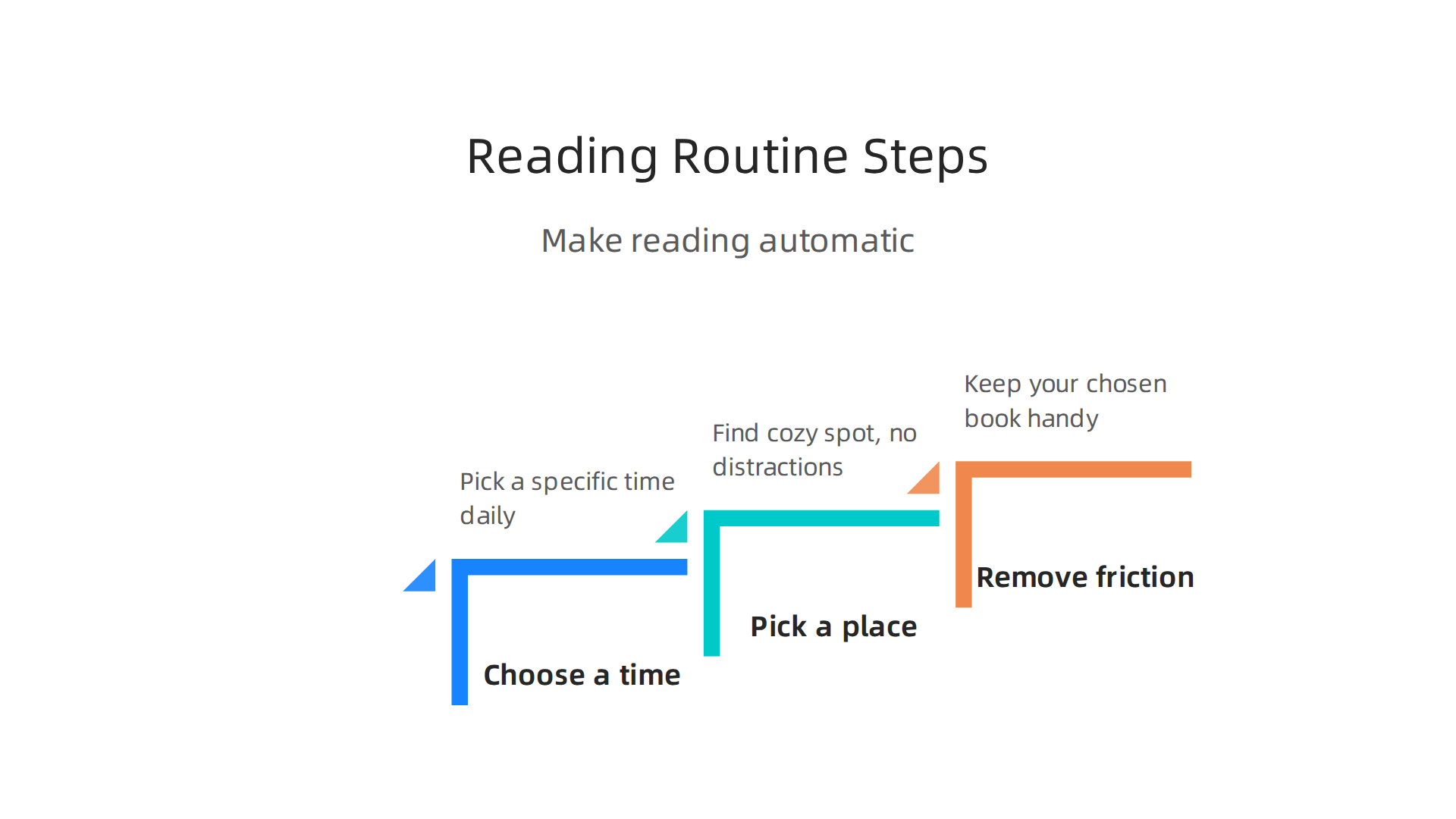
This is called habit formation. Studies in 2026 show that creating habits involves repeating actions often, and it can take some time for them to truly stick Time to Form a Habit: A Systematic Review and Meta-Analysis. Don’t get discouraged if you miss a day; just pick it up again the next.
- Choose a time: Pick a specific time each day for reading, even if it’s just a quick five minutes.
- Pick a place: Find a cozy spot where you won’t be easily distracted.
- Remove friction: Keep your chosen book handy. If it’s a digital book, make sure your device is charged.
Track Your Progress
Seeing how far you’ve come can be a huge motivator. You don’t need fancy tools. A simple calendar where you mark off each day you read works wonders. Some apps can help you track your reading goals, like how many books you want to finish in a year. Using tools like a thoughtful bookshelf app can help you keep track of what you’ve read and what you want to read next. These small wins make the habit feel rewarding. Apps for setting goals and tracking progress are also common in behavior change studies today Digital Behavior Change Intervention Designs for Habit.
Be Flexible with Formats
Remember, reading can be done in many ways. While a physical book offers a unique experience, don’t forget digital options or audiobooks. If carrying a physical copy of the book is hard, an e-reader or your phone’s reading app can be just as good. There are many ways to find free books to read online in 2026. The most important thing is that you actually read, no matter the format. Digital tools can even help encourage habits, especially in educational settings Digital interventions and habit formation in educational.
Making reading a habit is about being kind to yourself, starting small, and making it easy to do. It’s not about being perfect, but about being consistent.
Making reading a daily habit is a great start. But what if you could make it even more fun and exciting? You can do this by adding a social twist to your reading life. Joining a book club, taking part in reading challenges, or using social features in reading apps can help you stay motivated and feel connected to others.
Book Clubs Bring People Together
Book clubs are groups of people who read the same book and then meet up to talk about it.

This can be a wonderful way to discover new books and hear different ideas. It makes opening a book feel less like homework and more like an event. In 2026, online book clubs are very popular, allowing people from all over to connect and discuss stories. Many groups have sprung up, sometimes led by influencers, making reading a shared adventure 25 INFLUENCERS WITH BOOK CLUB COMMUNITIES DOMINATING 2026’S. These clubs help people feel less alone and enjoy reading more because they are part of a community. Studies show that community book clubs can help people enjoy books more and even change how they read The Role of Community Book Club in Changing Literacy Practices.
Reading Challenges for Extra Fun
Reading challenges are like games for readers. You might try to read a certain number of books in a year, or read books from different genres. These challenges give you a goal and a reason to keep reading. Many apps and websites offer reading challenges that you can join. They make reading feel like an accomplishment each time you finish a goal. Digital tools that use contests and challenges can even help more people use educational reading apps Digital interventions and habit formation in educational.
Social Features in Reading Apps
Today, reading apps do more than just let you read the book. Many apps have special features that make reading social without making it feel like pressure.
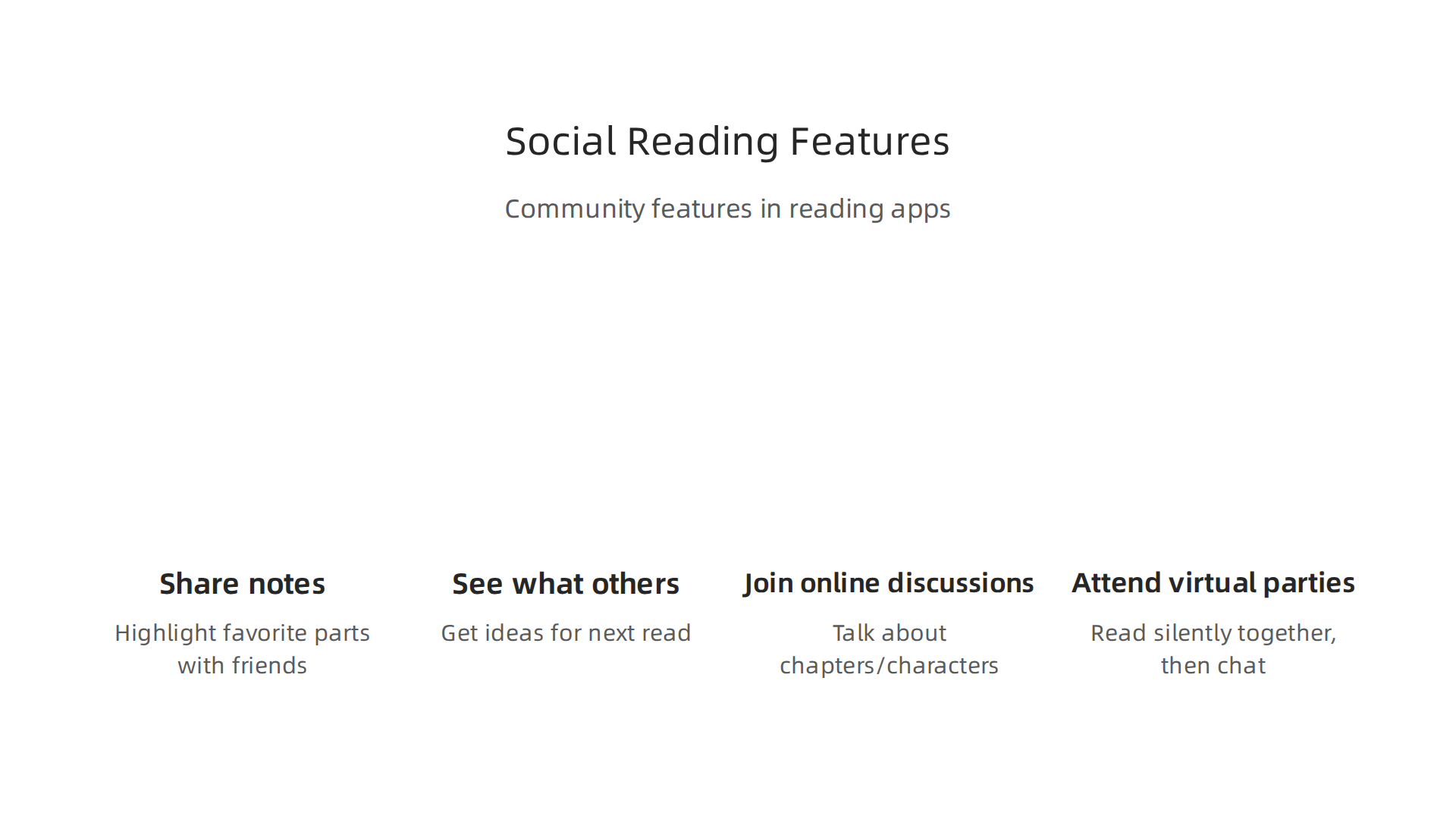
You might be able to:
- Share notes: Highlight your favorite parts of a book and share your thoughts with friends or your book club.
- See what others are reading: Get ideas for your next read from people you trust.
- Join online discussions: Talk about specific chapters or characters with other readers.
- Attend virtual reading parties: Some book clubs even host online events where everyone reads silently together, then chats about their book at the end. This is a new trend in places like Los Angeles in 2026 L.A. book clubs reimagined with silent parties, book crawls.
These tools make reading a more interactive experience. They help you connect with others over a shared love of stories, turning the act of reading into a fun, community activity. Finding the right tools can make a big difference in how you engage with reading, as platforms with integrated reading and discussion tools often work best for book clubs Best Online Book Club Apps Virtual: Efficiency-Tested Comparison.
If you love exploring new books and connecting with other readers, these interactive options might be just what you need to keep your reading habit strong.
Want to stay in the loop with new books, fun challenges, and community events? Join The Newsletter and become part of a growing community. If you’re ready to turn your curiosity into action and get involved in creative projects, then it’s time to Join An Experiment today!
It’s great to connect with others through reading, but how you read is just as important as what you read. Choosing the right format for you can make a big difference in how much you enjoy and stick with your reading habit. There are three main ways to read a book: physical print books, ebooks, and audiobooks. Each one has its own special benefits depending on your life and how you like to learn.
Physical Books: The Classic Choice
Many people still love the feel of a real book in their hands. Holding a physical book, turning its pages, and even smelling the paper can be a very nice experience. It’s often easier to focus deeply when you’re holding a print book, and some people find it simpler to remember information they read from paper. Actually, in 2026, most adults in the US still prefer print books over digital or audio versions for many reasons Americans still opt for print books over digital or audio …. Plus, print books make up a big part of all book sales, showing they are still very popular 2026 Book Sales Report: Print Dominates At 4:1 Ratio ….
Ebooks: Reading on the Go
Ebooks are digital versions of books that you can read on a phone, tablet, or e-reader. They are super handy because you can carry hundreds of books in one small device. This is great for traveling or when you want to read discreetly. You can also change the size of the text, which helps if your eyes get tired. More and more people are reading ebooks. In fact, many readers in 2026 regularly read ebooks 2026 Reader Survey: What Readers Want, Buy, and Expect. If you’re looking for new reads, you can often unlock Kindle Unlimited free books and discover truly free reads 2026 through various platforms.
Audiobooks: Listening to Stories
Audiobooks are books that are read aloud to you. They are perfect for when your hands or eyes are busy, like when you’re driving, exercising, or doing chores. Audiobooks let you enjoy a story even when you can’t sit down to physically open a book. They are especially helpful for people who have trouble reading text, and studies show that listening to audiobooks can even help you learn new words Learning with audiobooks. Audiobooks have grown a lot and are now a very popular way to "read" digitally The 2026 State of Reading Report: Human Recommendations Surpass Algorithms in the AI Era.
Picking What Works for Your Life
Here’s how to think about which format might be best for you:
- For your commute: Audiobooks are wonderful for cars or public transport. Ebooks are good if you’re a passenger.
- For deep study: A physical book or an ebook might be best, as they let you highlight and make notes easily.
- For multitasking: Audiobooks are the clear winner here.
- For accessibility: Audiobooks are fantastic. Ebooks with text-to-speech options also help many people. Assistive technologies, like text-to-speech, can help people with reading difficulties or low vision enjoy books more A Guide to assistive technology for reading: Boost Access for ….
The best way to figure out what you like is to try them all. Maybe borrow an audiobook from your local library, download a free ebook, or pick up a paperback from a bookstore. See which format makes you excited to open the book and keep reading. By experimenting, you’ll find the perfect way to enjoy every story. For more ways to engage with your reads, consider how to elevate your reading with a thoughtful bookshelf app to keep track of what you’re enjoying.
Reading is a truly special way to learn and grow. While we often think of it as a solo activity, it’s also a powerful tool for bringing people together. For brands and creators, using books and reading can build a wonderful community. It helps people feel connected, share ideas, and find new friends who love the same stories. When you help others explore a book, you open up new ways for them to talk and bond.
Fun Ways to Build Community
Creators and small businesses can use books to make exciting group activities.

Think about these ideas:
- Online Book Clubs: These are very popular in 2026. Many people join online groups, often started by influencers, to talk about books. Brands can create their own book clubs or team up with existing ones to find people who love reading. Websites and apps that let people read and talk in the same place work best for keeping everyone involved, rather than using separate tools for each part, as studies show Best Online Book Club Apps Virtual: Efficiency-Tested Comparison.
- Reading Challenges and Contests: Making reading a fun game can help people read more. For example, a brand could host a challenge to read a certain number of books in a month, or discuss specific themes from the book. Giving rewards or recognition for finishing makes it more exciting. These kinds of activities can help people form good reading habits, much like educational apps use contests to encourage learning Digital interventions and habit formation in educational ….
- Interactive Talks: Encourage members to really "open book" discussions by asking questions, sharing their favorite parts, or writing short thoughts. Creators can also share special content, like what makes for informative writing about the book’s history or even a first-person story about how the book touched them. You can even guide them on how to write a book review that makes every story count for the community.
- Author Chats and Events: Bringing in authors for online Q&A sessions or even virtual "silent reading parties" can create special moments for the community. Online reading communities are a main way people discover books in 2026, so connecting there is key Online Reading Communities.
Seeing Who Joins In and Rewarding Them
It’s helpful to see how much people are joining your reading community. Keep an eye on how many comments, shares, and new members you get. You can also track how often people come to online meetings or finish reading challenges.
To keep your community strong and growing, you need to show thanks to those who participate. This could mean giving a shout-out to active members, offering special content, or even small prizes. When people feel seen and valued, they are more likely to keep coming back. Making participation a fun and rewarding habit helps people stay connected for a long time Habit formation following routine-based versus time …. Starting with a strong community and keeping your ideas simple often works best to get people involved Case Study Archives.
Building a community around reading can be a rewarding adventure for creators and brands. If you’re ready to start your own journey, why not Join An Experiment and see how much fun it can be to connect with others? You can also Join The Newsletter to get updates on books, community projects, and new ways to participate.
As we look ahead, the way we read and connect with stories is changing fast. The future of reading is bringing new ways to enjoy books, thanks to smart technology. In 2026, we’re seeing big changes driven by things like AI, which stands for Artificial Intelligence, and new ways stories are told.
AI and Reading Just for You
Imagine a smart helper that knows just what kind of stories you love. This is where AI comes in. It can look at what you’ve read before and suggest new books that are perfect for you. This is called AI-driven personalization. It’s like having a friend who always knows the best story for your mood. AI is truly changing how we read How AI Is Transforming Reading.
Even more, AI can make reading adaptive. This means the story itself can change a little to fit your needs. For instance, it could make words bigger if you have trouble seeing, or it could highlight important parts if you’re learning. This helps everyone have a more personal [open book] experience. You can even find tips on how to find an educated book that will transform your thinking with these smart tools.
New Ways to Experience Stories
Reading isn’t just about looking at words on a page anymore. In 2026, many people enjoy stories in new ways. This is called multimodal storytelling.
- Audiobooks are huge: More and more people are listening to audiobooks, even more than reading ebooks. They are a great way to enjoy stories when you’re busy or on the go. Kids can even learn new words by listening to audiobooks, especially when they also see the text Learning with audiobooks.
- Text-to-Speech (TTS): This technology turns written words into spoken words. It’s a big help for people who find it hard to read print, like those with visual problems or reading difficulties Does Use of Text-to-Speech and Related Read-Aloud Tools Improve …. These tools are getting better and more common, making reading easier for many. You can learn about different assistive technology tools for reading that convert text to speech.
- Interactive Stories: Imagine a book that has sounds, music, or even short videos built right in. Some new stories let you choose what happens next, making you part of the adventure. This makes [the book] come alive in exciting ways. Creators use the best website tools for creators in 2026 to make these amazing experiences.
Keeping Things Fair and Private
With all these cool new ways to read, it’s important to think about two big things: privacy and accessibility.
- Privacy: When books are so personal and smart, we need to make sure our reading habits and choices stay private. Who sees what you read? Who uses that information? These are important questions for companies to answer honestly.
- Accessibility: Everyone should be able to enjoy these new reading formats. This means making sure tools like text-to-speech are easy for everyone to use, and that platforms are built so people with different needs can still take part. For example, screen magnification software is one of the most used tools by adults with low vision to read digital content Online Survey of Digital Reading by Adults with Low Vision – PMC. Ensuring accessible commercial audiobooks and other reading tech helps all readers. Ethical design means thinking about these things from the very start.
The future of reading promises even more ways to connect with stories, learn new things, and have fun. These changes will keep making the world of books more exciting for everyone.
Summary
This article explains the idea of