Why ‘Hidden Figures’ still matters – and how to read it in a digital world
In 2026, stories that inspire us to overcome big challenges are more important than ever. The hidden figures book is one such story that truly shines a light on the past and gives us hope for the future. This book, whose full title is Hidden Figures: The American Dream and the Untold Story of the Black Women Mathematicians Who Helped Win the Space Race, tells the amazing true tale of Black women who worked at NASA. They were human computers who helped America win the space race, even when they faced unfair treatment because of their race and gender [^1^].
The hidden figures book is not just a history lesson. It’s about big ideas like overcoming racism and inequality, the power of community, and how hard work can open doors [^2^]. It shows us how important these women were, even though their work was hidden for a long time. They pushed through many layers of discrimination to achieve great things [^3^].
This guide will help you understand the hidden figures book in two main ways. First, we’ll look closely at the story itself: what it means, the brave characters, and how it helps us see history differently. Second, we’ll talk about practical ways to read this important book today. We’ll cover different digital versions, how to borrow it from libraries, and ways to find it legally online. Whether you use a free epub reader or other digital tools, we’ll help you get started.
This guide is for anyone who loves meaningful stories, especially those looking for tales that inspire and educate.

It’s also for creators and brands who want to encourage people to read more and connect over powerful books like Hidden Figures. If you’re tired of just scrolling and want to truly engage with a story, you’re in the right place. We believe reading can be a fun, active, and shared adventure.
As we go through this guide, you can expect a mix of ideas: we’ll help you think deeper about the hidden figures book, show you how to find and enjoy it digitally, and give you ways to join conversations and communities about it. Get ready to discover why this book’s message is still so strong and how you can be a part of its ongoing story.
[^1^]: Book Review: Hidden Figures – NSS – National Space Society
[^2^]: Hidden Figures Themes – LitCharts
[^3^]: Elitation – Jurnal UNISSULA
Want to stay updated on new book discussions, reading challenges, and creative projects? Join The Newsletter to connect with a community that loves books and big ideas.
Understanding the book: themes, narrative choices, and author context
Now let’s really dig into the hidden figures book. This story is important not just for what happened, but for how it makes us think about big ideas. It mixes history with personal stories, which helps us feel closer to the brave women it tells us about.
Main Ideas in the Hidden Figures Book
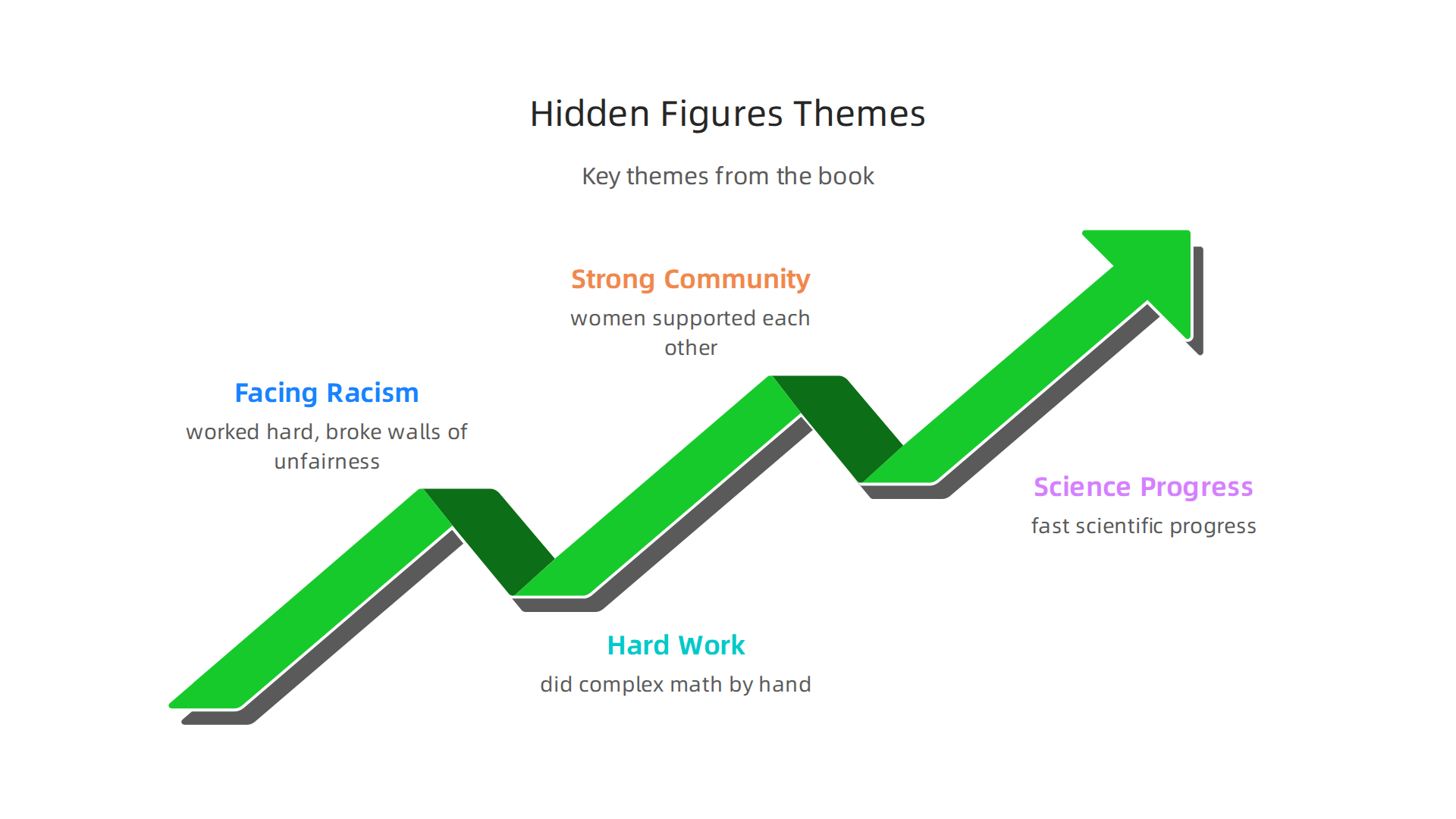
The hidden figures book explores many powerful themes.
rce for understanding book themes and analysis.](https://doridiculous.com/wp-content/uploads/2026/08/weblish-inline-112575.png)
Here are some of the main ones:
- Facing Racism and Inequality: The women in the book faced many unfair rules and treatments because they were Black. They had to work in separate offices and use different bathrooms and cafeterias, just because of the color of their skin. The book shows how these women kept working hard and broke down walls of unfairness Hidden Figures: Summary and Analysis.
- The Power of Hard Work and Never Giving Up: These women were very smart and worked incredibly hard. They did complex math problems by hand to help send rockets into space. Their hard work, paired with a bit of luck, helped them achieve amazing things Hidden Figures Themes – LitCharts. It teaches us that even when things are tough, being persistent can make a big difference.
- Building a Strong Community: The women supported each other. They formed a community that helped them get through the challenges at work. This shows how important it is to have people who stand by you, especially when you feel like an outsider.
- Science and Progress: While the women were doing amazing things in science, society around them was still very unfair. The book highlights the big difference between fast scientific progress and slower social progress Hidden Figures Character Analysis.
The Author and Her Choices
The author of the hidden figures book is Margot Lee Shetterly. She wrote this non-fiction book to share the true stories of these forgotten heroes. Shetterly herself grew up in Hampton, Virginia, where many of these women worked at NASA. This gave her a special connection to their stories.
Her choice to write the book as a mix of history and biography makes it very engaging. It’s not just a list of facts; it’s a living story that helps us understand the personal struggles and triumphs of people like Katherine Johnson, Dorothy Vaughan, and Mary Jackson. Shetterly’s detailed research brings their contributions to light, showing why their stories were hidden for so long and why they matter now more than ever On My Bookshelf: Hidden Figures by Margot Lee Shetterly. She wanted to make sure that these women got the credit they deserved.
Ideas for Deeper Reading and Talking
To truly get the most out of the hidden figures book, try thinking about these questions:
- How would you have felt if you were in the shoes of one of the "human computers" at NASA, facing unfair rules every day?
- What does the book teach us about teamwork and helping each other, especially when things are hard?
- Can you think of other "hidden figures" in history or today whose important work might not be widely known?
- How can we make sure everyone’s achievements are recognized, no matter their background?
Thinking about these ideas can make your reading experience much richer. It’s like going on an adventure in your mind, much like reading any great story. If you enjoy diving deep into stories and their hidden meanings, you might also like to explore how to unlock deeper reading a book journal can help. This helps you remember and think more about what you read.
The hidden figures book encourages us to look beyond the surface and appreciate the hard work and courage of people who might not always be in the spotlight. It’s a reminder that great achievements often come from many different people working together, even when society tries to hold them back.
Historical accuracy and portrayal of real figures: reading responsibly
When we read an inspiring book like the hidden figures book, we learn about amazing real people who did great things. It’s important to remember that books, and especially movies based on them, sometimes change small details. They do this to make the story flow better or feel more exciting. This is often called literary dramatization.
The hidden figures book tells a true story, but some parts are changed or simplified for the narrative. For example, while the main idea of these women facing unfair rules and segregated facilities is very accurate, some exact timelines or events might be combined or shifted for the story How Accurate Is Hidden Figures? Separating Fact From …. It is also noted that the film version, while inspiring, may have made some situations seem more dramatic than they were in real life Dichotomous Analysis of Historical Inaccuracies in Hidden ….
Why the difference matters
Knowing the difference between what’s exactly true and what’s changed for the story helps us in a few ways:
- Honoring Real People: It helps us fully respect and understand the real struggles and wins of brave women like Katherine Johnson, Dorothy Vaughan, and Mary Jackson. We can celebrate their actual contributions.
- Learning True History: We learn the facts correctly. This helps us understand what society was really like at that time and how much things have changed, or still need to change.
- Being a Smart Reader: It teaches us to think critically about everything we read or watch. It makes us ask, "Is this exactly how it happened?"
How to check facts in a book
If you want to be a smart reader and learn even more, here’s a simple checklist to help you check facts:
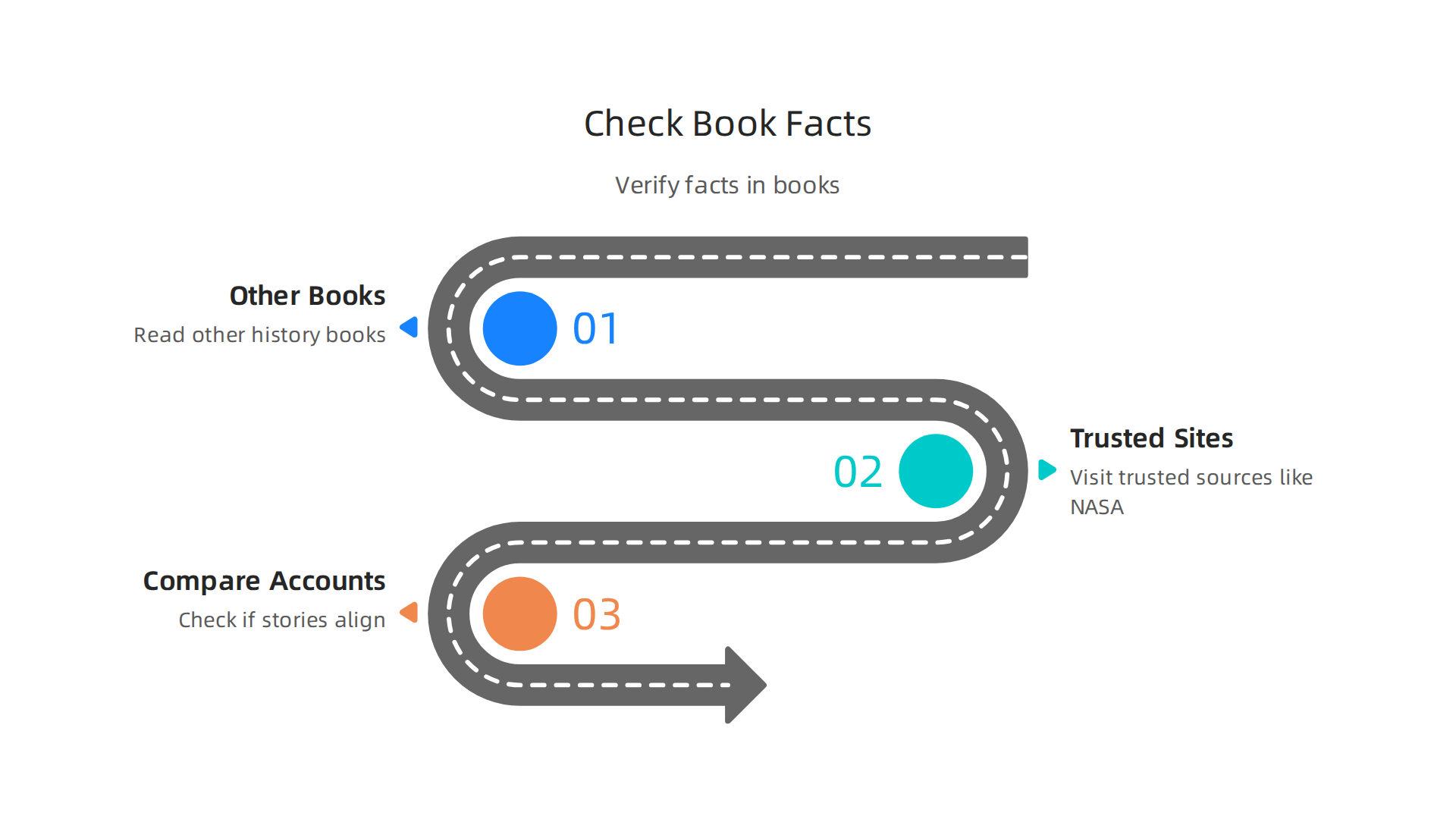
- Look for Other Books: Read different history books about the same time or people.
- Check Trusted Websites: Visit websites from places like NASA or big universities. These often have historical documents or research papers.
- Compare Accounts: See if what you read in the hidden figures book matches other stories or historical records. Websites like BlackGirlNerds.com have even created guides to separate Hidden Figures Debunked: The Fact vs. Fiction in the movie based on the true story.
By using these steps, you can get a fuller, more complete picture of the past. It’s part of what we call open book thinking, where you engage deeply with what you read.
Teaching stories about real people responsibly
When we share or teach stories about real people, like the women in the hidden figures book, it’s good to be careful and thoughtful. We should always try to share the true facts alongside the parts of the story that might have been made more dramatic.
This way, we make sure the real heroes get credit for exactly what they did. It also helps us learn from history in the right way, making sure we don’t accidentally spread wrong information. By being thoughtful readers and teachers, we show respect for the past and for the people who lived it.
If you enjoy learning deeply about stories and want to stay connected with more insights, helpful tips, and community news, you might like to Join The Newsletter. We share updates on books, experiments, and ways to participate.
When we finish a good book, like the hidden figures book, we might want to read it again or find similar stories. In 2026, it’s easier than ever to do this thanks to digital books and audiobooks. You don’t always need a physical copy. Let’s look at how you can get these stories and what helps everyone read them.
What are digital book formats?
Digital books come in different shapes and sizes, just like paper books. Here are the main types:
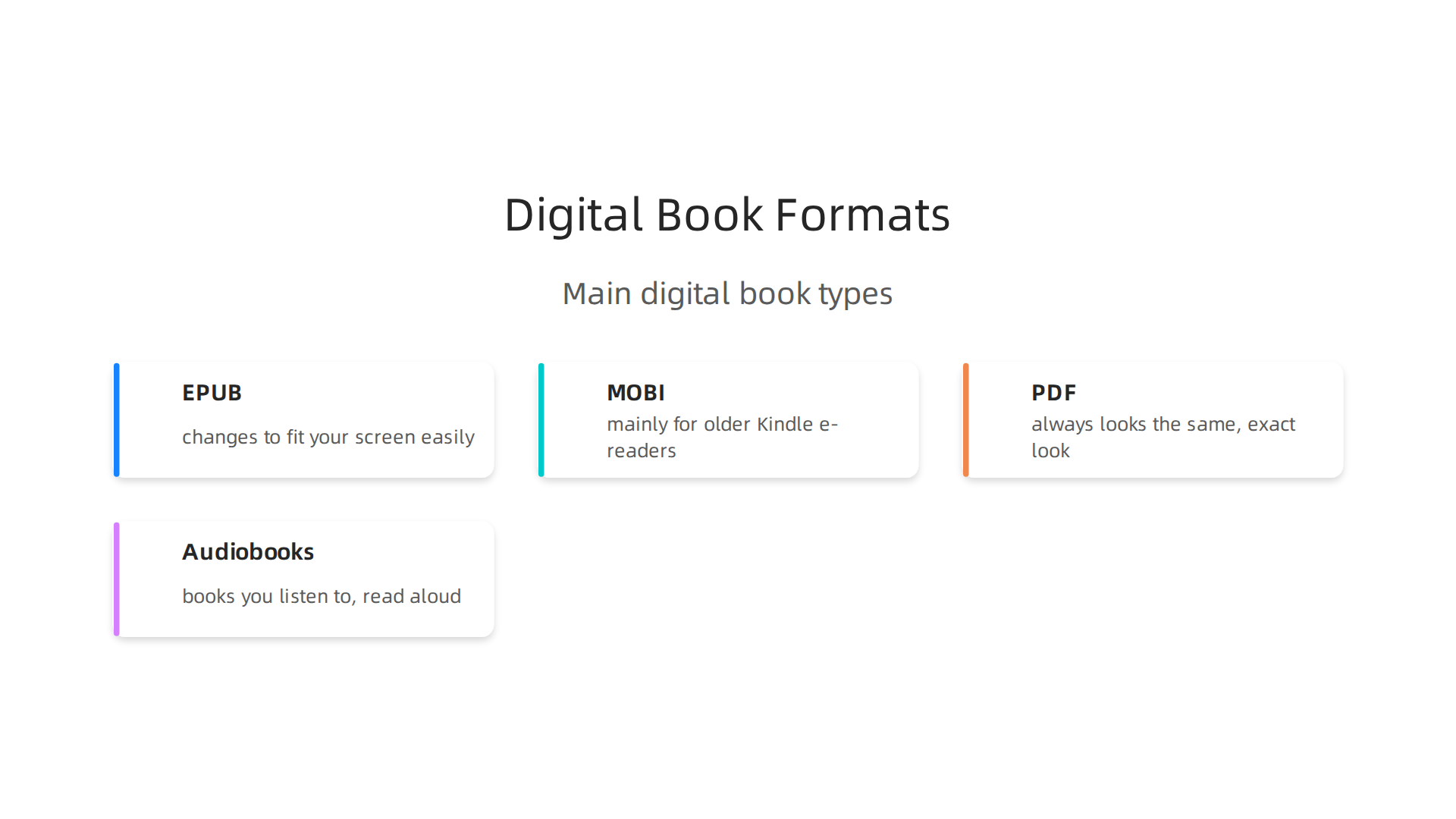
- EPUB: This is like a smart book file. It can change to fit your screen, whether it’s a small phone or a big tablet. You can make the letters bigger or smaller easily. Many reading apps use EPUB. If you’re looking for a good
free epub reader, there are many choices available today. - MOBI: This format is mainly for older Kindle e-readers. It works much like EPUB but is more specific to Amazon’s devices.
- PDF: This is like a picture of a book page. It always looks the same, no matter what device you use. This is good for things that need to keep their exact look, like textbooks with lots of pictures. But it’s not as easy to change the text size.
- Audiobooks: These are books you listen to. A person reads the story out loud, which is great for when you’re driving, exercising, or just resting your eyes.
Digital books help everyone read
One great thing about digital books is that they make reading easier for many people.
- Text-to-Speech: Many digital books can be read aloud by a computer voice. This is super helpful for people who have trouble seeing or who learn better by listening.
- Big Letters: You can make the text much larger, which is a big help for anyone with vision problems.
- Screen Readers: Digital books often have special hidden information that screen reader programs can use. This means a person who can’t see the screen can still understand the book’s layout and chapters.
How to get your digital books
There are many ways to get digital books, including popular titles like the hidden figures book.
- Buy Online: You can buy ebooks and audiobooks from online stores like Amazon, Apple Books, or Google Play. Once you buy them, they are yours to keep.
- Library Lending: Your local public library is a fantastic resource! Libraries let you borrow digital books and audiobooks for free with your library card. This is called e-lending. Just like with paper books, there are usually rules about how many people can borrow a digital copy at once. For example, a library might only let one person borrow a digital book at a time, similar to a physical book Policy brief on e-lending for public libraries. Lending periods can also vary, with some libraries offering books for 7 to 28 days in 2026 TRIM number: 26/122246. You can find many options on platforms and apps for free books.
- Subscription Services: Some services, like Kindle Unlimited or Audible, let you read or listen to many books for a monthly fee. If you enjoy audiobooks, you might want to check out an Audible book subscription guide to learn more about how they work in 2026.
- Open Access: Some older books, or parts of newer ones, are available for free online.
Tips for choosing your best option
Think about what works best for you.
- If you like owning books and re-reading them often, buying might be best.
- If you read a lot and want to save money, your library card is your best friend.
- If you want to try many books without buying each one, a subscription service could be good.
- If you often travel or multitask, audiobooks are a great choice.
Trying out different ways to read can make your reading journey even better. Why not try something new today? You might discover a new favorite way to enjoy stories.
Ready to explore different ways to engage with stories and maybe even create your own? Join An Experiment and turn your curiosity into action and shared participation.
Getting digital books is great, but what if you want to use parts of them, like a quote from the hidden figures book or another favorite, in your own work? This is where understanding rights and permissions becomes important for creators and teachers. It’s like knowing the rules of a game before you play.
Rights, licensing, and fair use: what creators and educators need to know
When you want to share or use parts of a book, even digital ones, you need to think about copyright. Most books, old and new, have a copyright. This means the person who wrote the book or the company that published it owns the rights to that work. This owner decides how the book can be used by others.
Using small parts of a book
It’s usually okay to quote a small bit from a book for things like reviews, school reports, or discussions, as long as you say where it came from. This is often called "fair use" and does not require special permission. However, if you want to use a big piece of text, like many paragraphs or a full chapter, you will likely need to ask for permission. For example, using more than 300 words from a single book often needs permission Permissions | Online Resources. Even for short quotes, it’s always smart to check the book’s copyright page to see who holds the rights A Writer’s Guide to Fair Use and Permissions. If you are creating content for a website, this is especially important.
Digital lending and DRM
When libraries lend out digital books, like an EPUB version of the outsiders book or the divergent book, they do so under special rules. These rules are part of the "license" or "Digital Rights Management" (DRM). DRM is like a digital lock that makes sure only one person can read the book at a time, or that it expires after a certain number of days. This protects the rights holders and makes sure authors and publishers get paid fairly. Because of these protections, you cannot simply copy and share a library’s digital book.
A simple checklist for creators and brands
If you are an educator or a creator planning to use parts of a book in your projects, here is a short checklist:
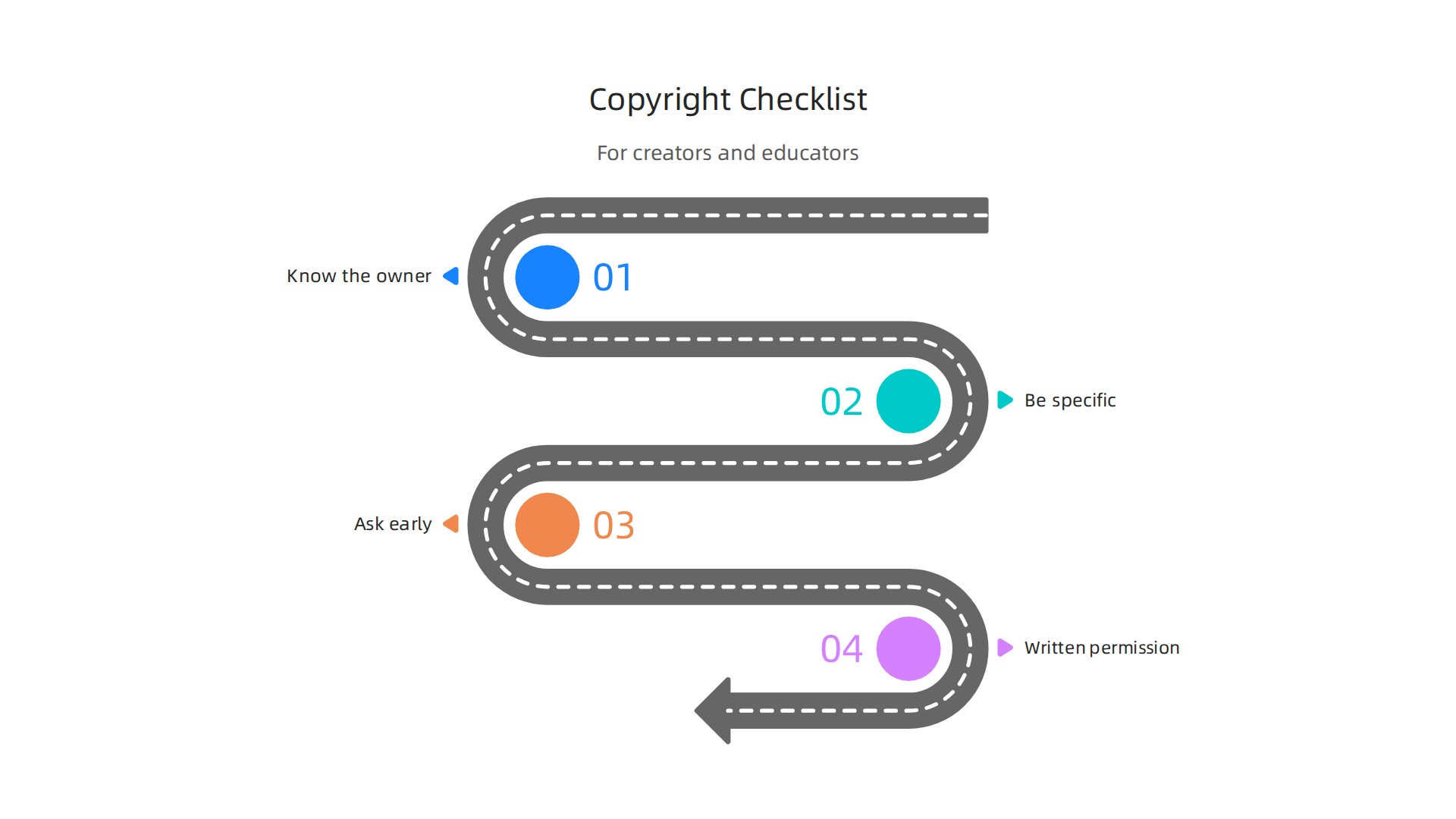
- Know the owner: Find out who owns the copyright. This is usually the publisher or author A Guide to Using Quotes, Excerpts, and Lyrics in Your Book.
- Be specific: Clearly state what you want to use, including page numbers and how many words LibGuides: Copyright: Seeking Permission.
- Ask early: Getting permission can take weeks or even months in 2026, so ask as soon as you can. It’s best to allow 6-8 weeks for a response Obtaining Permissions and Releases.
- Get it in writing: Always get permission in writing and keep good records.
Thinking about these steps helps you use other people’s creative works respectfully and avoid problems. If you want to write about books yourself, understanding these rules is a great first step. Learning how to write a book review that makes every story count can be a fun way to engage with stories while practicing fair use.
Knowing how to use parts of books correctly is one thing. But what if you want to turn a whole book, like the powerful hidden figures book, into a full learning adventure? For teachers and educators, books are amazing tools to help students learn about history, science, and important social issues.
Teaching, lesson plans, and study guides: turning the book into a shared learning experience
Using a book like the hidden figures book in the classroom or for a study group can open up many discussions. It’s a great way to make learning fun and help students think deeply. Here’s how you can do it:
Plan lessons for different age groups
Every group is different, so your lessons should be too.
- For younger students: Focus on the main story of the brave women in Hidden Figures. Talk about teamwork and never giving up. You can ask simple questions like, "What did Katherine Johnson do that was so important?" or "How did the women help each other?"
- For older students: You can dive deeper. Discuss the challenges of racism and sexism that the women faced. Ask about how they changed things. Think about how the movie or book might be a bit different from what really happened How Accurate Is Hidden Figures? Separating Fact From Fiction. This helps students see that movies sometimes change facts to make a better story, which is a great lesson in critical thinking.
For homework or classroom activities, students could write short essays, create posters about one of the main characters, or even act out a scene.
Combine with real history and other books
To truly understand a book like Hidden Figures, it helps to look at real historical information. These are called "primary sources." Think of old letters, newspaper articles from the time, or actual photos from NASA in the 1960s. Comparing the book’s story to these real items helps students question and learn more deeply. For example, some parts of the Hidden Figures story are shown a bit differently in the film than in real life to make the story stronger Dichotomous Analysis of Historical Inaccuracies in Hidden Figures. Talking about this can be a powerful lesson.
You can also pair Hidden Figures with other books that talk about similar ideas. For instance, the outsiders book or the divergent book also deal with themes of social divides, courage, and standing up for what’s right. This helps students connect different stories and ideas.
Digital fun for learning
In 2026, there are many ways to make learning with books digital and fun.
- Annotated Reading Parties: Use online tools where students can highlight parts of a digital book and write notes or questions for everyone to see. Imagine reading the hidden figures book together and seeing what everyone else thinks!
- Collaborative Notes: Create shared online documents where students can work together to summarize chapters, list key facts, or brainstorm discussion points.
- Community Oral History Projects: Encourage students to interview older family members or community leaders about their experiences during historical periods related to the book. They can record these interviews and share them with the class.
- Digital Readers: Encourage students to download a free epub reader to access different digital versions of texts.
These activities make learning an active, shared experience. They help students not just read a book, but truly engage with it and the ideas inside. Engaging with stories in a group can lead to new insights and stronger connections. If you’re looking for more ways to create these shared reading experiences, learning about Book Clubs Offer True Connection Far Beyond Endless Scrolling can be a great next step.
Are you looking for more ways to connect with stories and share learning experiences?
Join The Newsletter
Building on the idea of shared reading and making connections, let’s look at how we can turn books into bigger, fun community activities. When people read together and talk about what they’ve learned, it helps them feel like they belong. This kind of "participatory reading" moves us away from just scrolling through things online and helps us find a real purpose. It’s about moving from simply reading to actively joining in and even leading discussions The Reader-to-Leader Framework.
How Creators and Brands Can Build Reading Communities
For creators, writers, or even brands, books offer a special way to connect with people. Here are simple ways to turn reading into a shared adventure:
- Book Clubs with a Twist: Instead of just talking about a book, a club could set small challenges related to its themes. For example, if reading a book about nature, members might share photos of local plants or try a short outdoor activity. This helps foster connection and purpose among readers. You can also explore how the Sapiens book turns reading into a shared journey.
- Read-Alongs with Live Chats: Imagine everyone reading the same chapter of a book, like the hidden figures book or even the outsiders book, at the same time. Then, you jump into an online chat or video call to talk about it live. This can make the story feel very real and immediate. This kind of active learning helps people engage more deeply Exploring Participatory Learning and Engagement Through a Moral and Civic Compass.
- Micro-Challenges & Creative Prompts: Give readers small, fun tasks tied to the book. Maybe it’s writing a short poem inspired by a character in the divergent book, or drawing a scene from a story. These little actions help people express themselves and feel part of something bigger. It’s about letting imagination grow.
- "What Happens Next?" Projects: After finishing a book, challenge the community to write what they think happens after the story ends. Or ask them to create a new character who would fit into that world. This encourages creative output and critical thinking.
These activities are not just about finishing a book. They are about building a sense of belonging. They help people feel less lonely and more connected to others who share their interests.

When you read together and create together, you move from just observing to actively participating. This journey from reader to creator builds confidence and a sense of shared success. For more ideas on how to deepen your personal connection to books, learning to unlock deeper reading with a book journal for focus and memory can be very helpful.
Want to try fun, community-driven projects that make you feel more connected and creative?
Join An Experiment
Building on how we can turn books into fun community activities, let’s explore the practical steps of finding and using books like the hidden figures book in digital spaces. Knowing how to get your hands on a book and use it properly is key to joining in and sharing.
Practical how-to: find, borrow, and cite ‘Hidden Figures’ across digital platforms
Finding the hidden figures book or any other title today is easier than ever, thanks to many digital options. But it’s also important to know how to use these books fairly and correctly.
Finding and Borrowing Your Next Read
Whether you prefer reading with your eyes or listening with your ears, there are many ways to find the hidden figures book and other great stories.
-
Your Local Library: Libraries are still amazing places for books.
- Online Catalog: Start by checking your public library’s website. Most have an online search tool. You can look for the
hidden figures bookor even theoutsiders bookas a physical copy, an ebook, or an audiobook. - E-Lending: Many libraries let you borrow ebooks and audiobooks online. You usually need a library card. Keep in mind that for popular titles, you might have to wait, just like with a physical book. This is because many digital library books still follow a "one copy, one user" rule, meaning only one person can read a digital book at a time E-books in Libraries. However, laws around e-lending are changing, with some places allowing more flexibility Policy paper on e-lending.
- Interlibrary Loan: If your local library doesn’t have the
hidden figures book, they might be able to get it from another library for you. Just ask your librarian.
- Online Catalog: Start by checking your public library’s website. Most have an online search tool. You can look for the
-
Ebook Stores: You can buy digital copies of books from big online stores.
- Amazon Kindle, Apple Books, Google Play Books, and Barnes & Noble Nook are popular choices. These stores often have sales, and you can sometimes find deals on bestsellers.
- If you’re looking for a
free epub reader, many apps and programs let you open epub files you might get from these stores or other sources.
-
Audiobook Platforms: If you like listening, audiobooks are a great way to enjoy the
hidden figures bookwhile doing other things.- Audible (by Amazon), Google Audiobooks, and Apple Books are major places to find audio versions. You can also explore options to easily return Audible book purchases for credit or refund if a book isn’t what you expected. Also, for ongoing listening, check out an Audible Book Subscription to learn about credits and more.
Citing and Asking for Permission
When you share parts of the hidden figures book or any other book, it’s good practice to give credit to the author. This is called citing.
- Citing Small Passages: If you’re quoting just a few sentences in an article, blog post, or on social media, you should include the author’s name and the book title. This helps readers know where the words came from.
- Requesting Permission for Larger Parts: If you want to use a big chunk of text, like several paragraphs or a whole chapter from the
hidden figures bookor adivergent book, you often need to ask for permission from the copyright owner. This is very important if you’re using it for something you plan to sell or publish yourself.- How to Ask: Start by finding the copyright page in the book, usually at the front. It will tell you who owns the rights (often the publisher). Then, you’ll need to send a letter or email.
- What to Include: When you ask, be very clear. Include the book’s title, author, ISBN (a unique book number), publication date, and the exact words or pages you want to use Requesting Permission to Quote a Book. Also, explain how you plan to use the material. It’s best to allow several weeks for a response Seeking Copyright Permission.
Fixing Common Problems
Sometimes, getting to your chosen book can hit a snag.
- Regional Locks: Some digital books are only available in certain countries. This is usually due to publishing agreements. If you can’t find a book, try searching for it on different regional stores (like Amazon.com versus Amazon.co.uk).
- DRM (Digital Rights Management): This is a way publishers protect digital books from being copied too easily. It can sometimes make it tricky to read an ebook on a different device or with a different
free epub readerthan what you bought it for. If you have trouble, check the store’s help pages for steps on how to move your book. - Audiobook Device Issues: If your audiobook isn’t playing, make sure your app is updated and your device has enough space. Sometimes, simply restarting your device or the app can fix the problem.
Finding and using books in a smart way helps everyone share stories and ideas fairly.
Want to stay updated on new reading challenges, community projects, and book-related discoveries?
Join The Newsletter
Summary
This article explains why Margot Lee Shetterly’s Hidden Figures remains an important story and shows readers how to approach it thoughtfully in a digital world. It reviews the book’s main themes—racism, perseverance, community, and scientific progress—while also describing Shetterly’s research and narrative choices. The guide distinguishes fact from dramatization, offers a simple checklist for fact‑checking, and lays out how to find the book in modern formats like EPUB, MOBI, PDF, and audiobook. It also covers practical concerns for creators and educators, including copyright, permissions, and how to use the book in lessons or group activities. Finally, it gives concrete tips for borrowing digital copies, choosing accessible formats, running shared reading projects, and building engaged reading communities.