Introduction
Have you ever felt stuck in a reading rut, picking up the same type of story over and over again?

You are not alone. Many readers find themselves overwhelmed by the sheer number of genres and styles out there. It is easy to fall back on what feels comfortable. Whether that is a predictable romance or a thriller that follows the same old formula. But actually, stepping outside your comfort zone can unlock a whole new world of reading pleasure.
That is where understanding literary categories like the "martyr book" comes in. The term might sound heavy at first. But it simply refers to stories built around the martyr archetype. This is a character who sacrifices something deeply important for a cause, a belief, or another person. According to a definition of archetype in literature, an archetype is a recurring character, situation, or symbol that shows up across many different cultures and stories. The martyr is one of the most powerful examples. Think of classic tales where a hero gives up everything for a greater good. These stories resonate because they explore themes of sacrifice, purpose, and transformation. If you want to understand what makes a story truly work, learning about the 10 story elements every novel and short story needs is a great first step.
In this article, we will define what makes a martyr book special. We will explore major genres where this archetype shows up. From fantasy and science fiction to historical fiction and drama. And we will offer practical strategies for building a diverse reading list that goes beyond your usual picks. Whether you love a heart-wrenching a story or a fast-paced adventure like Project Hail Mary, there is a martyr book waiting for you.
Ready to discover something new? Let us dive in. And if you are looking for a place to start your reading journey, why not Explore The Books and find your next great read?
What Is a Martyr Book? Defining the Archetype
Have you ever read a story where a character gives up everything for a cause, a belief, or someone they love? That is the heart of a martyr book. These stories center on a person who makes a deep sacrifice. Sometimes that means losing comfort, freedom, or even life itself. The sacrifice is not pointless. It has a purpose. It moves the story forward and changes the people around them.
The term "martyr" might sound like it belongs in religious texts. But actually, the martyr book shows up in all kinds of fiction. You find it in dystopian novels, historical epics, fantasy adventures, and even science fiction. The word martyr comes from an old Greek word that means "witness." A martyr witnesses something so true and important that they are willing to suffer for it. According to the Martyr Archetype definition, the true sacrifice of a martyr is a selfless act. They offer their freedom, comfort, and life so that others can be redeemed or set free.
But not every martyr in a martyr book is a pure hero. Some characters use their suffering to get sympathy or control. Others are morally complicated. They may believe they are doing the right thing, even when their actions hurt people. This mix of nobility and flaw is what makes the archetype so interesting. It gives us characters we can wrestle with, not just cheer for.
Think of a story like Project Hail Mary. The main character risks everything to save humanity. That is a classic example of the martyr archetype in action. If you want to dive deeper into that kind of sacrifice, you can check out this breakdown of the Project Hail Mary book. It shows how one character’s choice to give up his own safety becomes the emotional core of the whole adventure.
Understanding the martyr archetype helps you spot bigger patterns in the books you read. You start to see how sacrifice, tragedy, and redemption work together. It also makes writing a book review easier. You can note how the author builds the character’s journey toward that final choice. And if you want to capture your thoughts in a structured way, a simple book review template can help you organize your observations.
Now that you know what defines a martyr book, you are ready to explore where this archetype shows up next. In the following sections, we will look at specific genres and recommend titles that bring the martyr’s journey to life. If you want to get regular book recommendations and updates on new releases that feature powerful character archetypes, make sure to Join The Newsletter. It is a great way to stay connected and find your next unforgettable read.
The Martyr vs. The Tragic Hero: Key Differences
At first glance, a martyr and a tragic hero look similar. Both suffer deeply. Both face hard choices. But the big difference comes down to one thing: choice.
A martyr chooses sacrifice on purpose. Sydney Carton in A Tale of Two Cities walks to the guillotine in place of his friend. He plans it. His death has a clear purpose: to redeem others. According to this martyr character type breakdown, a martyr has seen something so profoundly true they willingly give everything for it, even their own life.
A tragic hero is different. Hamlet does not choose to fall. His own flaw (hesitation) and bad luck push him toward disaster. His death feels like a waste, not a redemption. There is no moral victory.
This contrast helps you spot the archetype in any martyr book. If the character’s suffering serves a higher purpose, you are reading about a martyr. If bad choices and fate lead to a pointless fall, that is a tragic hero. Both make powerful stories, but they leave you feeling very different emotions.
If you enjoy characters who make bold, meaningful sacrifices, you might also like books that blend heart with humor. Explore The Books that bring this kind of emotional depth to life on Amazon.
Character-Driven vs. Plot-Driven Narratives: Understanding the Core Styles
Now that you know the difference between a martyr and a tragic hero, let us look at a bigger question. What kind of story do you actually enjoy reading?
Every book you pick up falls somewhere on a spectrum. On one end, you have character-driven narratives. On the other end, plot-driven ones.
Knowing which style speaks to you can help you choose the right martyr book or any other story.
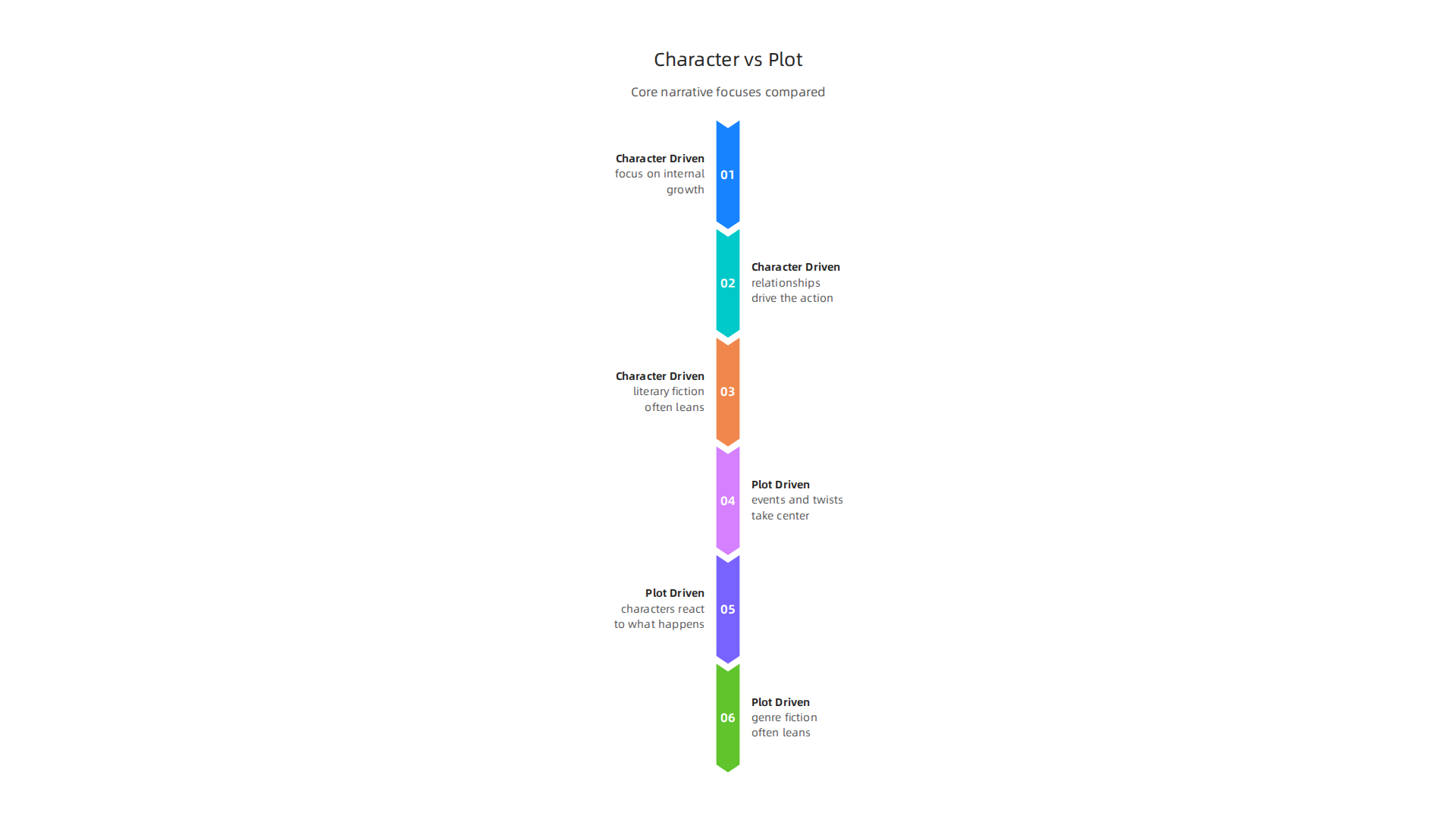
Character-driven stories focus on internal growth. The plot matters, but it serves the characters. You watch people change, struggle, and learn. Relationships drive the action. Take Where the Wild Things Are. The whole story is about Max’s feelings. The wild rumpus is fun, but the real journey happens inside him. Literary fiction often leans this way.
Plot-driven stories flip the script. Events and twists take center stage. The characters react to what happens around them. Think of a fast-paced thriller or a sci-fi adventure. In Project Hail Mary, the main character wakes up on a spaceship with no memory. He has to save the world. The plot keeps you turning pages. Genre fiction like mystery, thriller, and action often leans plot-driven.
But here is the thing. Many great books blend both styles. A martyr book usually needs both. The martyr makes a choice that changes the plot. But that choice only matters because of who they are inside. The sacrifice means nothing without the internal arc.
According to a recent reader survey, more and more people seek stories with emotional payoff. Readers want characters who feel real. They also want plots that keep them hooked. The key is balance.
So how do you know your preference? Think about what you remember after finishing a story. Do you recall how a character grew? Or do you remember the big twist? Your answer points to your style.
If you love deep character studies, look for books that spend time on inner worlds. If you crave fast action, pick thrillers with high stakes. And if you want both, find books where the plot forces the character to grow. That is where the magic happens.
And if you are ready to move beyond just reading and start participating in a story yourself, there is a fun way to do that. Join An Experiment that turns laughter and curiosity into real action.
Exploring Literary Fiction and Its Subgenres
Now that we have looked at story styles, let us zoom in on one of the richest areas for a martyr book: literary fiction. This is the space where moral dilemmas, inner struggles, and deep character work shine.
Literary fiction is a broad category. It does not follow a single formula like a thriller or a romance. Instead, it focuses on style, psychological depth, and social commentary. The plot may be simple, but the way the story is told matters a lot. You read literary fiction to feel something real and to think about big questions.
Think of novels like The Great Gatsby or Beloved. The characters are complex. The writing is careful. The themes stick with you long after you close the book. Literary fiction often explores what it means to be human. And that is exactly where a martyr book belongs.
Subgenres of Literary Fiction
Literary fiction has many subgenres. Here are a few:
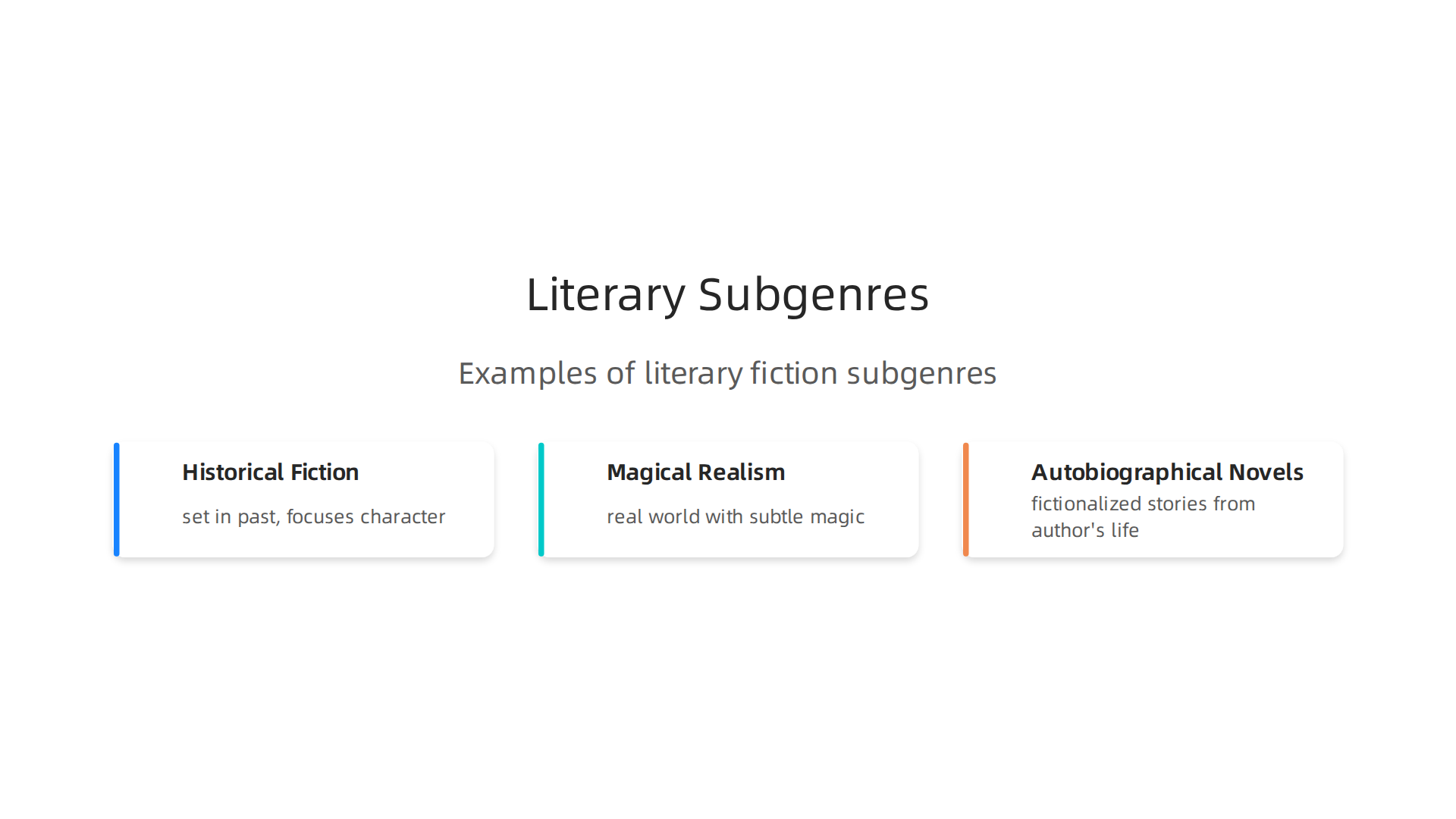
- Historical literary fiction. These books are set in the past but focus on character and emotion rather than just facts. Example: All the Light We Cannot See.
- Magical realism. This blends real-world settings with small magical elements. The magic feels normal. Think of One Hundred Years of Solitude or Beloved again.
- Autobiographical novels. These are fictional stories based closely on the author’s life. They feel raw and personal. Martyr! by Kaveh Akbar is a great example of this.
Many martyr books fall into these subgenres. Why? Because martyrdom is tied to moral choices, identity, and sacrifice. Those themes fit naturally into literary fiction. A martyr’s journey is not just about action. It is about what happens inside their heart and mind.
If you want to find more martyr books, start by looking at literary fiction. Check out this books with martyrs discussion for reader recommendations. You will see that many recommended titles are literary fiction.
To help you understand how these stories are built, read through this guide to 10 story elements every novel needs. It will help you spot the key parts of a literary novel.
Why You Should Read Literary Fiction
Literary fiction teaches you empathy. You walk in someone else’s shoes. You see the world through their eyes.

And when that character makes a sacrifice, it hits you hard. That is the power of a martyr book in literary fiction.
If you want to keep exploring books that make you think and feel, stay connected. Join The Newsletter for updates on book recommendations, reading experiments, and more ways to turn curiosity into action.
Magical Realism: Where the Mundane Meets the Miraculous
Let us go deeper into one of the most fascinating subgenres: magical realism. This style takes everyday life and adds a single, strange event that feels completely normal. A girl floats up to the ceiling. A ghost sits at the dinner table. Nobody screams. Nobody asks why. It just happens.
Magical realism is perfect for a martyr book because it lets the impossible stand for real pain. When someone dies for a cause in these stories, the magic around them makes the sacrifice feel bigger than life. It is not just a death. It is a moment that changes the whole world of the book.
Think of Gabriel García Márquez’s One Hundred Years of Solitude. Characters are born with tails, rain falls for years, and a man gets wrapped up in his own ghost. Yet the story feels true. It shows real history and real suffering. Isabel Allende’s The House of the Spirits does the same. Martyr figures appear in both books. They give up everything for love, justice, or family. Their deaths echo through the pages.
Haruki Murakami also blends reality with strange events. In his novels, characters walk through walls or talk to cats. These moments mirror inner struggles. A character’s sacrifice in a Murakami novel feels surreal but deeply human.
If you enjoy stories that bend reality, check out the book genre classification guide to see where magical realism fits. Then, for a modern take on blending the real and the ridiculous, pick up a book that does exactly that. Explore The Books and discover a sci-fi comedy that mixes humor with deep questions about life and sacrifice.
Genre Fiction: Mystery, Fantasy, and Science Fiction
Now let’s turn to the big genre categories where the martyr book really shines. Mystery, fantasy, and science fiction all give characters reasons to sacrifice everything.
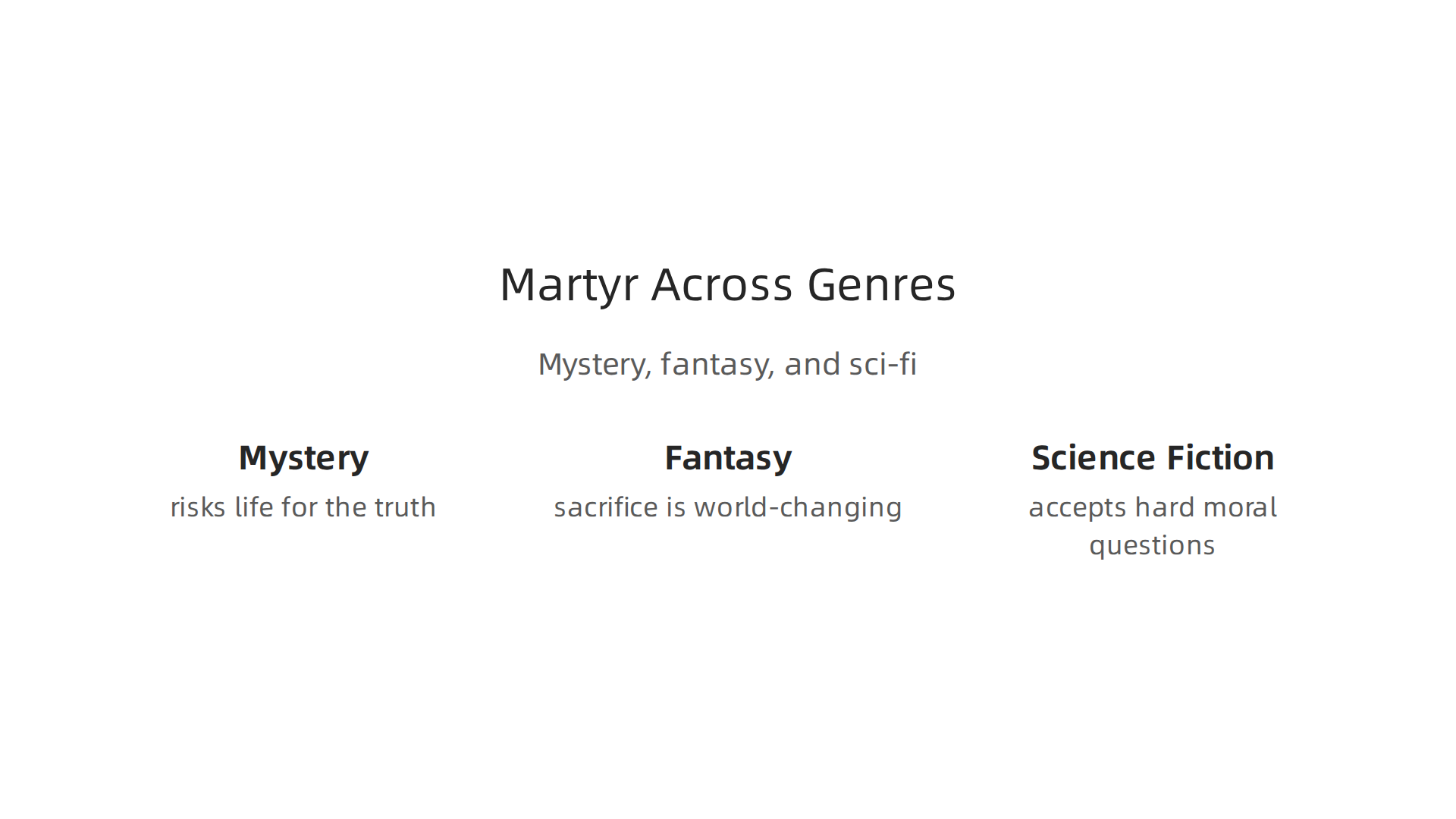
The difference is in the world around them.
In mystery and thriller novels, the martyr is often a detective or an ordinary person who risks their life for the truth. They dig into secrets that powerful people want buried. They keep going even when it is dangerous. Think of a cold-case investigator who won’t let a victim be forgotten. Or a journalist who exposes a cover‑up knowing they will pay the price. These stories are built on the idea that some truths are worth dying for. For a look at what is coming out in this space, the list of unmissable new thriller books of 2026 offers plenty of tales where characters put everything on the line.
Fantasy is where the martyr archetype becomes truly epic. In a fantasy world, sacrifice is often literal and world‑changing. Harry Potter walks into the Forbidden Forest knowing he will die. Frodo Baggins carries the ring to Mordor even though it destroys him. These are classic martyr figures. Their deaths or suffering save entire kingdoms. Fantasy allows the writer to show the full weight of a sacrifice because the stakes are so high. If you love stories where a single person gives everything for a cause, check out a discussion of books with martyrs in fantasy romance. You will find recommendations that fit the martyr book theme perfectly.
Science fiction brings sacrifice into futuristic and ethical settings. In The Giver, the main character takes on the pain of his entire community to free them from a numb existence. In Dune, Paul Atreides accepts a terrible destiny to lead his people. Sci‑fi martyrdom often comes with hard moral questions. Is it right to sacrifice one person for the many? What does it mean to give up your own happiness for a future you will never see?

These books push you to think. One modern example is Andy Weir’s Project Hail Mary, where the hero must risk everything to save two species. If you want to explore a sci‑fi novel that everyone is talking about, that book is a perfect place to start.
No matter which genre you pick, the martyr book finds a home. Mystery gives us sacrifice for truth. Fantasy gives us sacrifice for the world. Sci‑fi gives us sacrifice for the future. Each one uses the martyr figure to make us feel something real.
Want to discover more books that explore these themes? Join The Newsletter for updates on new reads, author experiments, and the latest in the world of laughter and deep stories.
Cross-Genre and Genre-Bending Books: Breaking the Mold
Not every great martyr book fits into one neat category. Some of the most exciting stories in 2026 refuse to follow the rules of a single genre. They mix science fiction with romance, mystery with historical fiction, or fantasy with thriller elements. And readers are loving this blend.
According to the most popular genres for 2026 report, cross-genre and hybrid storytelling is growing fast. Readers want fresh, immersive experiences that combine the best parts of different worlds. This trend opens up new ways to tell a sacrifice story.
Take a character who gives everything in a dystopian romance. The emotional weight of the romance makes the sacrifice hurt more. The high stakes of the dystopian setting make it necessary. Or think of a historical mystery where a detective risks their career to uncover a buried truth. The historical setting adds depth, while the mystery keeps the tension high.
The martyr figure bends beautifully in these blended stories. In a sci-fi fantasy hybrid, a hero might give up their magic to save a technological world. In a horror-romance, a character might sacrifice their safety for love. These combinations surprise us. They let us see sacrifice in a new light.
The 2026 State of Reading Report shows that 80% of readers tried a new genre this year. That means more people are open to these blended stories. If you love the martyr book theme, do not stick to one genre. Try a book that mixes things up.
One great example is a story that blends sci-fi with psychological depth. If you want to explore that kind of narrative, the split fiction subgenre shows how blending genres can create something completely new.
Ready to discover more books that break the mold? Join An Experiment and be part of a community that loves laughter, deep stories, and creative exploration.
How to Diversify Your Reading for Personal Growth
Reading the same type of story over and over feels safe. But it might be holding you back.
When you step outside your favorite genre, something interesting happens. Your brain starts working differently. Research shows that reading across genres builds empathy, sharpens critical thinking, and boosts creativity. You see the world through new eyes.
The 2026 Reading List from the American Library Association highlights winners across eight different genres. From adrenaline to romance to science fiction. Each category offers something unique for your mind.
Here is how to start diversifying your reading in 2026.
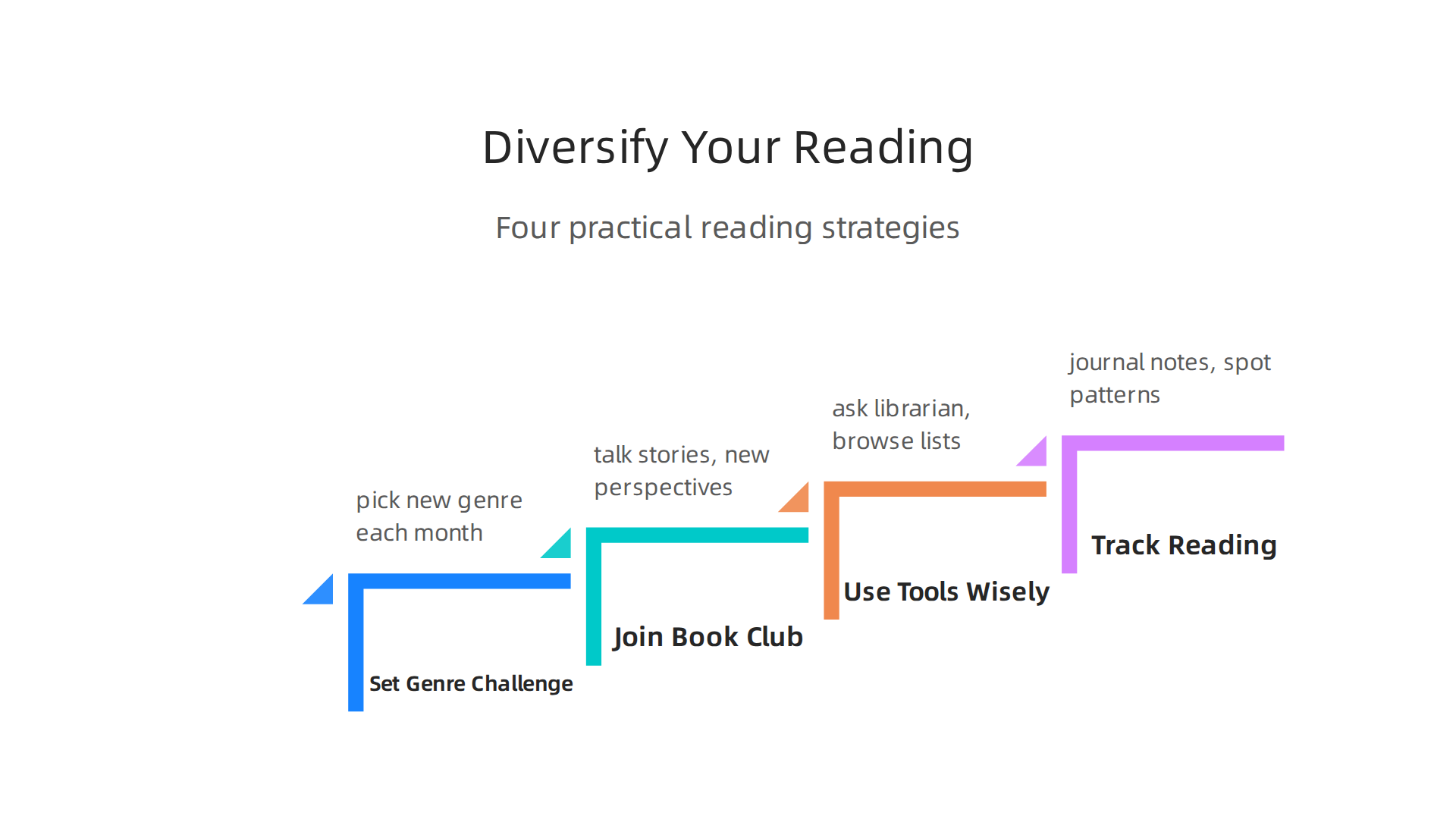
Set a genre challenge. Pick one new genre each month. Try historical fiction in January. Give horror a shot in February. You might be surprised what sticks. The key is to keep going even if a book does not grab you right away.
Join a book club. Talking about a story with others opens up perspectives you would never find alone. Members push you toward books you would never pick up yourself.
Use recommendation tools wisely. Algorithms can help, but they also trap you in a bubble. Ask a librarian. Browse the best books of 2026 list at a bookstore. Let curiosity guide you.
Track what you read. A simple journal or note on your phone works. After a few months, look back. Do you always pick the same kind of hero? The same setting? The same stakes? Seeing your patterns is the first step to breaking them.
A good martyr book can appear in any genre. The sacrifice story hits differently in a thriller than it does in a romance. Both are worth your time.
If you want to understand story structure better, check out this guide on 10 story elements every novel and short story needs. It helps you spot what makes any book work.
Ready to make reading a bigger part of your growth journey? Join The Newsletter for book recommendations, experiments, and creative challenges delivered to your inbox.
Summary
This article explains the "martyr book"—stories built around a character who willingly sacrifices something crucial for a cause, belief, or another person—and shows why that archetype resonates across fiction. It defines the martyr versus the tragic hero, compares character‑driven and plot‑driven narratives, and maps where martyr figures commonly appear: literary fiction, magical realism, fantasy, mystery, and science fiction. The piece gives concrete reading strategies for spotting martyr themes, building a more varied reading list, and trying cross‑genre titles that make sacrifice feel fresh. Along the way it recommends representative works (like Project Hail Mary and classic literary novels) and points to tools and guides to help you analyze story structure. By the end, readers will understand how martyrdom shapes emotional stakes, how to identify it in different genres, and practical steps to diversify their next reads to include powerful sacrifice stories.