Introduction
Picture this: You look up at the sky, and instead of rain, pancakes start falling. Then comes maple syrup. Then hamburgers. That whimsical image is exactly what has made the cloudy with a chance of meatballs book a beloved classic for nearly five decades.
First published in 1978 by Judi Barrett with illustrations by her husband Ron Barrett, this picture book tells the story of Chewandswallow, a town where food falls from the sky three times a day. As described in the Wikipedia entry for Cloudy with a Chance of Meatballs, the book was inspired by an accident while making breakfast. That small moment turned into one of the most imaginative children’s stories ever written.
Here’s the thing. In 2026, we are surrounded by screens, notifications, and endless scrolling. Kids and adults alike spend hours staring at devices, consuming content that often leaves them feeling empty rather than inspired. A classic like this offers something different. It invites you to slow down, use your imagination, and share a laugh with someone you care about.

That kind of grounding experience matters more now than ever.
This book is more than just a funny story about food weather. It is a doorway to creativity, a conversation starter, and a reminder that the best entertainment often comes from the simplest ideas. Over the years, it has inspired movies, sequels, and countless bedtime readings. It sits on shelves next to other favorites like the bunny book, the corduroy book, the fancy nancy book, and even the how to train your dragon book series for older readers.
In this article, we will explore where the idea came from, what makes the story so special, and how you can use it to spark creativity and connection in your own life. Whether you are rediscovering this classic or sharing it with a new generation, there is plenty to love.
Discover books that help you relax and unwind is a great next step if you want more reads that offer a calming escape from daily noise.
Join The Newsletter to get more book recommendations, creative inspiration, and ways to turn reading into meaningful moments with the people who matter most.
The Whimsical Premise: A Town Where Food Falls from the Sky
Imagine waking up to scrambled eggs falling like snow. Then for lunch, hamburgers drift down with the breeze. Dinner brings giant pancakes that land softly on your plate. That is life in Chewandswallow, the fictional town at the heart of the cloudy with a chance of meatballs book.
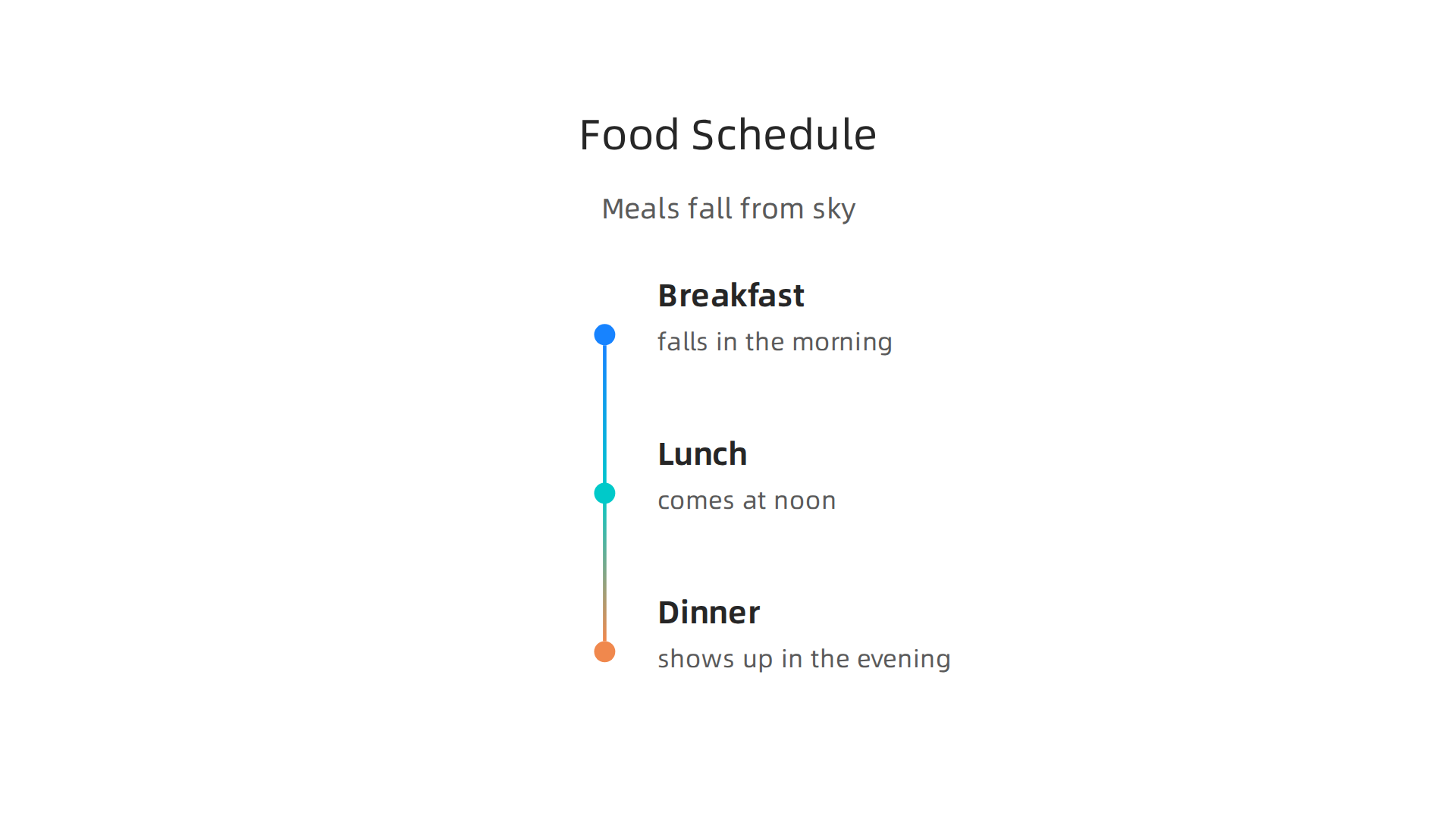
The town looks normal at first. It has houses, streets, and people going about their day. But the weather is anything but normal. As Ron and Judi Barrett share in their NPR interview, the food arrives three times a day, right on schedule. Breakfast falls in the morning. Lunch comes at noon. Dinner shows up in the evening. No cooking. No grocery shopping. No dishes.
Here is why this premise works so well. It blends something completely familiar with something wildly fantastic. Everyone knows what food looks like. We all eat it every day. But the idea of it falling from the sky like rain or snow turns ordinary life into pure magic. That combination is what makes the book so easy to love from the very first page.
For a while, the people of Chewandswallow love their unusual weather. They build houses shaped like bread loaves. They catch falling eggs in their mouths. Children eat ice cream that lands in their hands. Life feels like one big party. The pages are full of joy and laughter, as noted in a book review that calls the story completely absurd in the best way.
But here is the thing about too much of a good thing. The excitement does not last forever. The food starts coming in bigger portions. A normal pancake turns into a giant pancake the size of a roof. A light drizzle of juice becomes a flood of syrup. The fun slowly turns into a problem. The community that once celebrated every meal now has to figure out how to survive.
That shift from joy to trouble is what gives the story real depth. It is not just a silly idea. It is a lesson about balance, change, and knowing when enough is enough. The same premise that makes you laugh also makes you think. That is the mark of a truly great picture book.
If you enjoy stories that spark creativity and make you see the world differently, check out these story elements every novel and short story needs to understand what makes an idea land so perfectly.
Join An Experiment and turn your own creative spark into something real. The Chewandswallow community started with one wild idea. Yours can too.
The Creative Genius of Judi and Ron Barrett: How the Book Came to Be
That kind of storytelling does not happen by accident. It takes a special kind of creative partnership to turn a simple idea into a lasting classic.

The cloudy with a chance of meatballs book came from the minds of Judi and Ron Barrett, and their story is almost as charming as the book itself.
Judi Barrett wrote the words. She had a natural gift for seeing the extraordinary in everyday life. The idea for the story came from a real moment. According to details about the book’s creation on Wikipedia, Judi was inspired by an accident while making breakfast. She watched eggs and bacon flying around the kitchen and thought: what if this happened all day long? That spark became the foundation of a world where food falls from the sky.
Ron Barrett brought that world to life with his illustrations. His style is warm and detailed, but also wonderfully playful. He drew the town of Chewandswallow with care. The houses look like bread. The streets feel real. But the food storms look wild and magical. As noted in an article about the book’s legacy on SYFY, Ron’s black-and-white drawings frame the story like a family memory, while the colorful food weather scenes leap off the page. That contrast between normal family life and absurd weather is what makes the book unforgettable.
The two worked closely together. Judi wrote the text with Ron’s illustrations already in mind. Ron drew images that matched the rhythm of her words. It was a true collaboration. The book was first published in 1978 by Atheneum Books. It took time to find its audience, but soon it became a staple on children’s bookshelves across the country.
If you want to explore more books that spark the imagination, check out this list of books that can transform how you think. You never know where a wild idea might lead.
For book recommendations, behind-the-scenes stories, and updates on creative projects, join the newsletter and stay connected to The Ridiculous universe.
Themes That Resonate: Community, Resourcefulness, and Consequences
Beyond the story of how the book was created, what really makes the cloudy with a chance of meatballs book last for generations are the themes woven through every page. Underneath all the pancake towers and spaghetti storms, the story carries real weight.
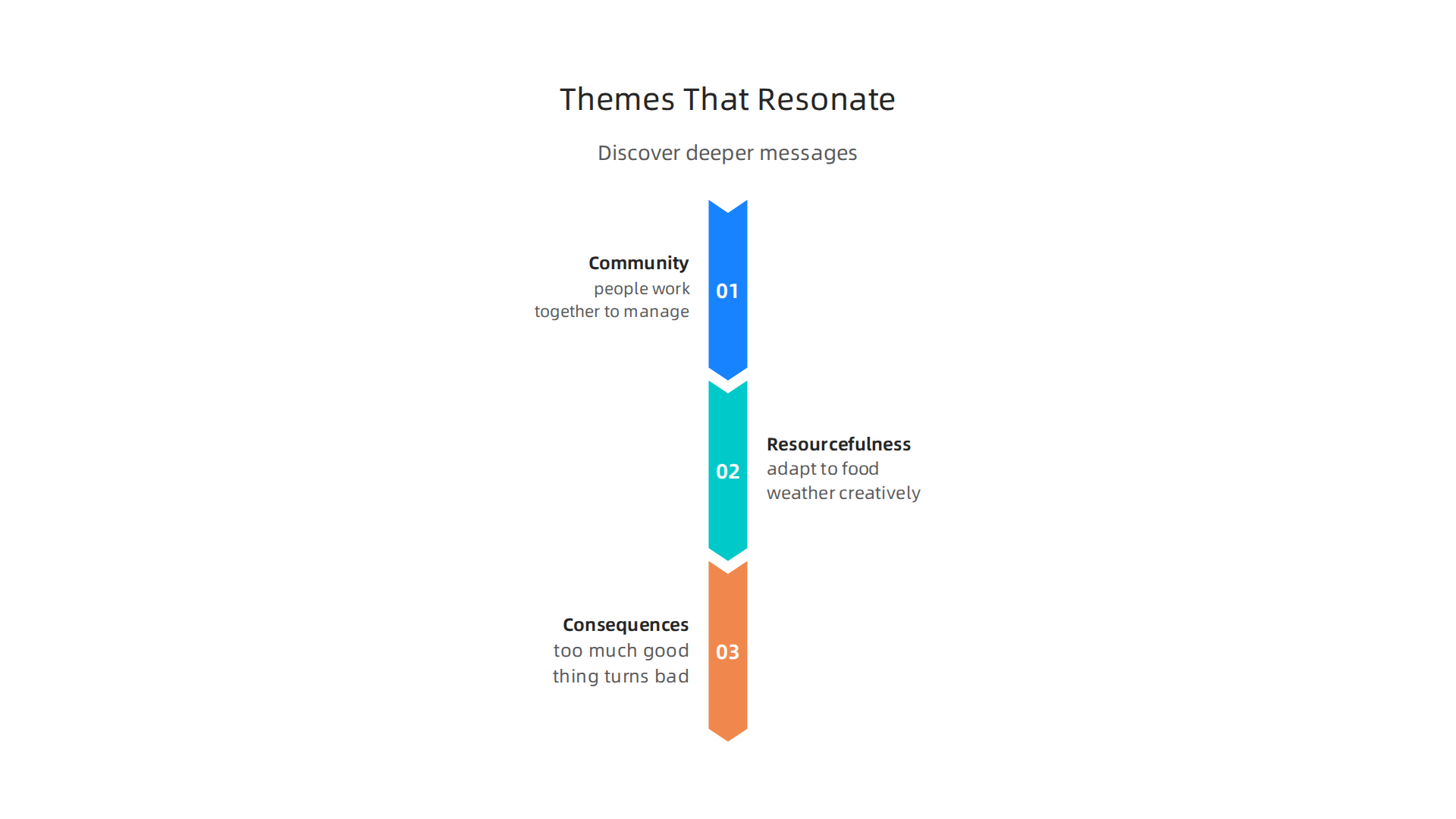
It teaches readers about community, resourcefulness, and consequences without ever feeling like a lecture.
The people of Chewandswallow do not panic when a storm of hamburgers rolls in. Instead, they work together.

Everyone in town helps manage the daily food weather. They share the meals that land in their yards. They figure out how to store extra food for later. This sense of community is a big part of what makes the book special. It shows that even in a strange world, people can rely on each other. According to a Teaching Children Philosophy discussion of the book, the story encourages readers to think about how communities solve problems together.
Resourcefulness is another theme that runs through the whole tale. The town does not just survive the food weather. They adapt to it. When too much food starts to pile up, they get creative. They use leftover bread to pave roads. They turn giant eggs into shelters. The people of Chewandswallow treat the food as a resource rather than a problem. That kind of thinking teaches kids to look for solutions instead of giving up when things get strange.
But the story does not stop there. It also shows what happens when things go too far. The food gets bigger and bigger. Storms become dangerous. A pancake as big as a baseball field can crush a house. The town learns that even good things can become problems when they are out of control. This message about consequences is gentle but clear. It teaches moderation and problem solving without being scary.
These themes are why the book has stayed relevant for so long. It is not just a silly story about food falling from the sky. It is a story about how people handle the unexpected together. If you enjoy stories with strong themes like this, you might also enjoy learning about 10 story elements every novel needs. Great storytelling always has something meaningful to say.
And if this kind of creative thinking inspires you to take action in your own life, join an experiment and turn that inspiration into something real.
The Book’s Enduring Legacy: From Bestseller to Film and Beyond
The cloudy with a chance of meatballs book didn’t just sit on shelves. It became a phenomenon. Since it first came out in 1978, the book has sold millions of copies and has been translated into more than a dozen languages. It won the Iowa Children’s Choice Award and has never gone out of print. Like other beloved children’s stories such as the bunny book or the corduroy book, it earned a permanent spot on family bookshelves around the world.
But the book’s reach didn’t stop at the page. In 2009, Sony Pictures turned it into a full animated feature film. The movie changed a lot of details. It introduced a young inventor named Flint Lockwood and gave the town of Chewandswallow a completely new origin story. The film even added a love interest and a greedy mayor. These changes were big, but they worked. The movie earned over $124 million in the United States and more than $200 million worldwide according to Cloudy with a Chance of Meatballs box office data. It also scored a fresh rating from critics on Rotten Tomatoes.
The success of the film led to a sequel in 2013, a TV series, and lots of merchandise including toys, video games, and clothing. The movie brought the cloudy with a chance of meatballs book to a whole new generation of kids who might never have found it otherwise. Parents who read the original book as children could now share the story through a movie. The film’s humor and colorful animation made the story feel fresh and exciting again.
Still, the movie changed the tone quite a bit. The book is calm and sweet. The movie is fast, silly, and full of action. The film’s version of Chewandswallow has a scientist, a weather girl, and a machine that causes the chaos. The book just has a strange weather pattern that no one really explains. According to a Virtual Feast analysis of the film, the movie focused more on greed and consequences while the book kept things lighter. Both versions teach lessons, but they do it in very different ways.
Despite the changes, the core of the story stayed intact. The townspeople still work together, get creative, and face the consequences of too much food. The movie helped the book reach millions of new readers. In fact, after the film came out, sales of the original book shot back up. If you love stories that grow from book to movie and keep their heart, you might also enjoy these thrilling dystopian survival novels that made the leap to the big screen.
The legacy of this book shows how a simple idea can travel far. It started as a bedtime story, became a bestseller, inspired a hit movie, and now lives on in new forms. And the best part? The original book is still there, unchanged, ready for the next reader to discover. If you want to keep following stories like this and be part of a community that celebrates creativity and connection, join the newsletter for updates on books, experiments, and more.
Why Cloudy with a Chance of Meatballs Still Matters for Today’s Kids
Here’s the thing. Kids today spend a huge amount of time in front of screens. Between tablets, phones, and TVs, the average child gets way more digital input than most parents feel good about. That’s exactly why the cloudy with a chance of meatballs book feels so refreshing. It doesn’t need special effects or flashy animation. It just needs a kid’s imagination.
When you read this book, the pictures do a lot of the work. The giant pancake covering a house, the spaghetti tornado, the giant meatball – none of it looks realistic. That’s the point. The illustrations leave room for a child to fill in the details. Unlike the crisp, polished look of the bunny book or the soft comfort of the corduroy book, this story invites kids to ask “what if?” and then build their own version in their head. That kind of imaginative play is priceless in a screen-saturated world. Teachers and parents know this. That’s why so many Cloudy with a Chance of Meatballs activities focus on building, drawing, and creating – not watching.
Beyond imagination, the book teaches something timely. The town of Chewandswallow starts with plenty. Then things get out of hand. The food keeps falling, and people keep taking more than they need. Sound familiar? In a world where overconsumption is a real problem, this story gently shows what happens when you don’t know when to stop. It also shows how a community can come together to solve a problem. Those lessons about moderation and teamwork feel more important now than ever.
And for early readers, the book is a quiet literacy booster. The detailed illustrations support visual storytelling. Kids learn to “read” the pictures, predict what comes next, and connect images to words. That’s a skill that builds critical thinking. If you want to encourage your child’s writing skills too, check out this guide to building writing confidence for young learners.
The bottom line? This old book still has plenty to offer modern kids. It helps them imagine, think, and connect. And it does all of that without a single battery.
Ready to turn imagination into action? Join an experiment that puts creativity first.
How Parents and Educators Can Use the Book to Spark Creativity and Discussion
The beauty of the cloudy with a chance of meatballs book is that it practically begs kids to interact with it. You don’t just read it and close the cover. You talk about it, draw it, and wonder what comes next. Here are some simple ways to turn this story into a full learning experience.
Creative Activities That Kids Love
Start with a food weather forecast. Have your child or students draw a map of Chewandswallow and predict what food will fall each day. Will it rain juice? Snow mashed potatoes? Let them go wild. You can also challenge them to invent new food types that could drop from the sky. What about a drizzle of chocolate sauce or a hail of blueberries? For more structured ideas, check out these Cloudy With A Chance Of Meatballs classroom ideas from The Kindergarten Smorgasboard. Many teachers transform their classroom into Chewandswallow for a full week of themed lessons.
Another fun activity is writing a sequel. Ask kids what happens after the townspeople settle in a new place. Do they miss the food weather? Do they find a new way to get their meals? This is a great chance to talk about 10 story elements every novel and short story needs to help young writers build a complete narrative.
Discussion Questions That Get Them Thinking
The book naturally opens up big questions. Here are a few to try with your kids or students:
- What would you do if food fell from the sky every day?
- How would the community react when the weather went from helpful to dangerous?
- What makes a good meal? Is there such a thing as too much food?
These questions lead to conversations about gratitude, moderation, and working together. They also tie directly into the overconsumption theme we touched on earlier.
Cross-Curricular Ideas for Deeper Learning
The cloudy with a chance of meatballs book works across multiple subjects. Here is a quick look:
| Subject | Activity Idea |
|---|---|
| Science | Study real weather patterns. Compare them to the food weather in the book. |
| Math | Practice portions and fractions by dividing pretend meals. |
| Art | Draw your favorite food scene from the story or invent a new one. |
These activities keep kids engaged while building real skills. And the best part? They won’t even realize they are learning.
If you want more ideas like these delivered to your inbox, Join The Newsletter for ongoing creative inspiration and book-based learning tips.
Summary
Cloudy with a Chance of Meatballs is a playful 1978 picture book by Judi and Ron Barrett about a town where food literally falls from the sky. This article traces the book’s origin, the Barretts’ creative collaboration, and the clever premise that mixes ordinary life with wild imagination. It explains the deeper themes—community problem solving, resourcefulness, and the consequences of excess—and shows why those ideas still resonate for families and educators today. The piece also covers the book’s long legacy, including the 2009 film adaptation that introduced new characters and a broader audience. Practical sections offer activities, discussion questions, and cross-curricular lesson ideas to turn reading into creative learning. After reading, you’ll understand the story’s enduring appeal and have concrete ways to use it to spark imagination, writing, and classroom projects.