
Introduction
Have you ever read a book that completely shifted your understanding of fairness?

That’s exactly what Just Mercy does for most people. Written by lawyer Bryan Stevenson, this powerful memoir takes you inside America’s criminal justice system and shows you the human faces behind the statistics.
The Just Mercy book centers on the story of Walter McMillian, a Black man wrongfully sentenced to death in Alabama for a murder he didn’t commit. But it’s more than one man’s story. It’s a deep look at how poverty, race, and bias can trap innocent people in a system that often punishes the powerless.
Since its release, the book has become a pivotal conversation starter about mass incarceration and mercy. In fact, a full summary of the book on SparkNotes describes it as Stevenson’s first-person account of his decades helping marginalized Americans who faced unfair punishment. The book’s official website from the Equal Justice Initiative shows how Stevenson’s work challenges racial and economic injustice every day.
In this article, we’ll explore the key themes of Just Mercy, why it still matters in 2026, and what practical lessons you can take away from it. We’ll also look at how you can read the book on platforms like the Google Play Books app or find it through other sources. If you’re looking for more places to discover great reads, check out this list of top platforms and apps for free books to read online.
This isn’t just a book review. It’s a chance to understand a story that has moved millions and still pushes us to ask hard questions about justice.
If you want to stay connected for more book insights and community conversations, Join The Newsletter for ongoing updates from The Ridiculous ecosystem.
The Story Behind Just Mercy: Bryan Stevenson’s Mission
Long before he wrote the just mercy book, Bryan Stevenson was a young law student who made a choice that would define his life. He chose to visit a death row inmate. That meeting changed everything.

Stevenson graduated from Harvard Law School. He could have taken a high-paying job at any big firm. Instead, he moved to Alabama to fight for people the system had forgotten. He founded the Equal Justice Initiative, a nonprofit law practice dedicated to defending the poor, the wrongly condemned, and those who could not afford a lawyer.
The book chronicles Stevenson’s professional life, beginning with his first meeting with a death row inmate as a 23 year old law student doing volunteer work. One reviewer described him as a very bright, determined, idealistic, nearly broke, and at first splendidly naive Harvard trained lawyer. That raw honesty is what makes the book so powerful. You see Stevenson learning on the job, making mistakes, and still refusing to give up.
At the heart of the just mercy book is the case of Walter McMillian. McMillian was a Black man in Alabama who spent six years on death row for a murder he did not commit. The evidence against him was thin. The real reason he was there? He had dated a white woman. The system did not care about the facts. It cared about power and prejudice.
Stevenson took on McMillian’s case and uncovered a nightmare of corruption, abuse, and legal decisions driven by pride and fear. The narrative of the book weaves together this one dramatic story with the larger pattern of mass incarceration in America. It shows how poverty, race, and bias can trap innocent people in a system that punishes the powerless. The book proves that the fight for justice is not just about winning one case. It is about changing the whole system.
If you want a book that will shake you awake and show you the real cost of injustice, this is it. And if you are looking for something that will transform your thinking in a similar way, consider picking up an educated book that will transform your thinking for your next read.
The story of Bryan Stevenson and Walter McMillian is not just history. It is a call to action. It asks you to pay attention, to care, and to do something.
If this story moves you and you want to turn that inspiration into real participation, Join An Experiment and become part of a community that turns curiosity into action.
Key Themes in Just Mercy: Mass Incarceration, Mercy, and Hope
Beyond the gripping story of Walter McMillian, the just mercy book tackles bigger ideas. Three themes run through every chapter: mass incarceration, mercy, and hope.

Understanding these themes helps you see why this book matters so much right now.
Mass Incarceration
The United States locks up more people than any other country in the world. According to the Equal Justice Initiative, the U.S. remains the world leader in the number of people incarcerated. The just mercy book shows how this system traps poor people and people of color. Stevenson argues that mass incarceration is not about crime rates. It is about power, fear, and control. He connects the dots between slavery, Jim Crow laws, and today’s prison system. The book makes you realize that the problem is not just a few bad cases. The whole system is broken.
Mercy as a Corrective
Stevenson does not just point out problems. He offers a solution: mercy. He believes that mercy is not weakness. It is strength. In the book, he shows how harsh sentencing destroys lives without making anyone safer. Mercy means looking at a person’s whole story, not just their worst mistake. It means recognizing that everyone is more than the worst thing they have ever done. This idea feels radical in a world that loves punishment. But Stevenson proves that mercy can correct injustice and restore humanity.
Hope as a Force for Change
The just mercy book could have been a depressing read. Instead, it leaves you feeling hopeful. Stevenson insists that hope is not optional. It is necessary. He writes, "Hopelessness is the enemy of justice." Without hope, no one would fight for change. The book shows how small acts of courage, like visiting a death row inmate or believing an innocent man, can spark big transformations. Stevenson’s own life is proof that hope works. He has helped free over 140 wrongly condemned prisoners from death row.
If these themes stir something in you, you might want to take the next step. Many readers find that understanding the justice system pushes them to learn more about mental health and community support. Check out mental health america free online screenings if you want resources for yourself or someone you care about.
And if you want to keep exploring ideas that matter, Join The Newsletter to stay connected with stories, experiments, and ways to turn hope into action.
The Case of Walter McMillian: A Landmark Wrongful Conviction
To understand the power of the just mercy book, you need to know the story at its heart. That is the story of Walter McMillian, a Black man from Monroeville, Alabama. In 1986, an 18-year-old white woman named Ronda Morrison was murdered at a dry cleaning shop. The police had no leads for months. Then they arrested Walter McMillian for a crime he did not commit.
Here is what makes this case so disturbing.
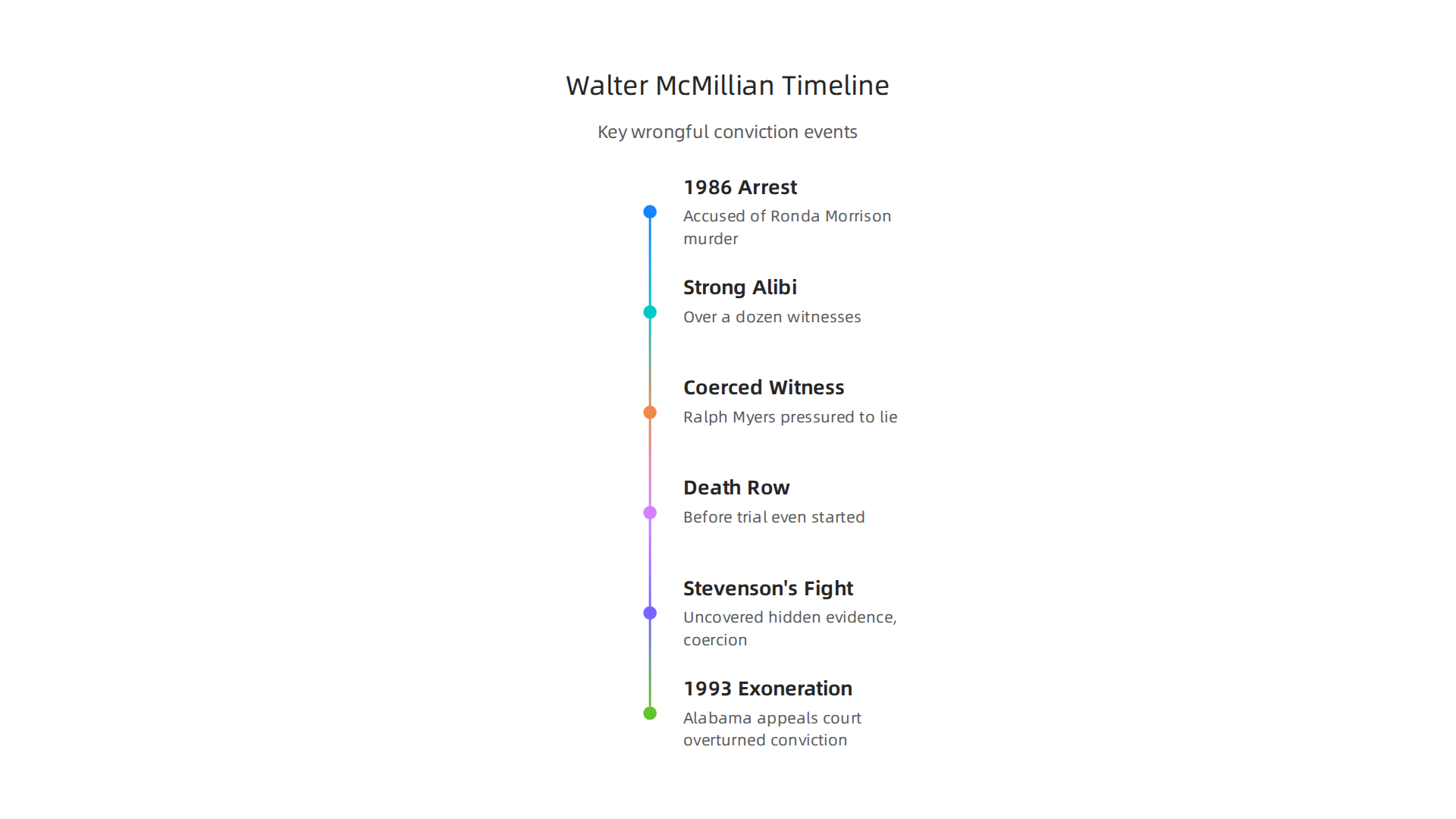
McMillian had a strong alibi. Over a dozen witnesses placed him at a fish fry about 30 miles away at the time of the murder. But the sheriff ignored this evidence. Instead, authorities pressured a weak witness named Ralph Myers to lie. Myers later said the sheriff threatened him and offered him deals. The trial lasted only a day and a half. The jury took less than three hours to convict. McMillian was sentenced to death for a murder he had nothing to do with.
This was not justice. This was a system working exactly how it was designed to work for a poor Black man accused of killing a white woman. According to the Walter McMillian case overview from the Equal Justice Initiative, McMillian was actually placed on death row before his trial even started.

That is illegal. But it happened anyway.
Bryan Stevenson and his team at EJI took on the case. They spent years digging up evidence that proved what everyone should have seen from the start. They found that the prosecution had hidden evidence that would have helped McMillian. They showed that the main witness against him had been coerced. They proved that the state knew McMillian was innocent but kept him on death row anyway.
In 1993, the Alabama Court of Criminal Appeals overturned the conviction. The state finally admitted the case was mishandled and dropped all charges. McMillian walked free after spending six years on death row for a crime he never committed.
The just mercy book uses this case to expose how the legal system fails the most vulnerable. It shows that wrongful convictions are not rare accidents. They are predictable outcomes of a system built on bias and indifference. If you want to understand why this book matters, start with Walter McMillian. His story will break your heart and open your eyes.
This kind of story can leave you feeling angry or helpless. But the book shows that action matters. If you are ready to move beyond just reading and actually participate in something positive, consider joining a community experiment that turns awareness into action. Join An Experiment to connect with others who believe small actions can create real change.
If this case makes you want to explore more books that challenge how you see the world, check out these top platforms for free books to find your next powerful read.
Just Mercy’s Impact on Criminal Justice Reform
The just mercy book did not stop at telling Walter McMillian’s story. It sparked a national conversation about how the legal system treats the poor, the mentally ill, and people of color.

Since its release, the book and the movie adaptation have changed how millions of Americans think about wrongful convictions and mass incarceration.
One of the biggest effects has been increased public awareness. Before this book came out, most people did not know that wrongful convictions happen all the time. They did not understand how race and poverty shape who gets sentenced to death. The just mercy book changed that by putting real names and faces to the problem. Readers met Walter McMillian. They met other innocent people stuck on death row. And they could not look away.
Research shows this is real. A study published in the Proceedings of the National Academy of Sciences found that watching the Just Mercy film increased viewers’ empathy for formerly incarcerated people and made them more supportive of criminal justice reform. That is the power of storytelling. It does not just inform you. It actually changes how you feel.
The book has also influenced actual policy. Law schools now teach the McMillian case as a textbook example of prosecutorial misconduct. Legislators have cited the book when pushing for reforms like ending the death penalty or improving evidence standards. Bryan Stevenson has testified before Congress and spoken to audiences around the world. His message is simple but radical: we cannot fix a system we refuse to admit is broken.
Stevenson continues this work through the Equal Justice Initiative. EJI fights for people who have been wrongly convicted, sentenced unfairly, or treated cruelly in prison. The organization also built the National Memorial for Peace and Justice in Montgomery, Alabama, which honors thousands of Black Americans lynched after slavery. It connects past injustice to the present and shows that the same biases driving lynchings also drive mass incarceration today.
Issues like these touch on how the justice system handles mental health conditions. If you want to understand more about how the law treats people with complex diagnoses, read up on dissociative identity disorder and legal rights to see how these cases intersect.
The just mercy book proves that one story can shift public opinion, influence lawmakers, and keep a movement alive. If this topic matters to you, the next step is staying connected to people who care about the same things. Join The Newsletter to receive updates on books, reform conversations, and ways to stay engaged beyond just one article.
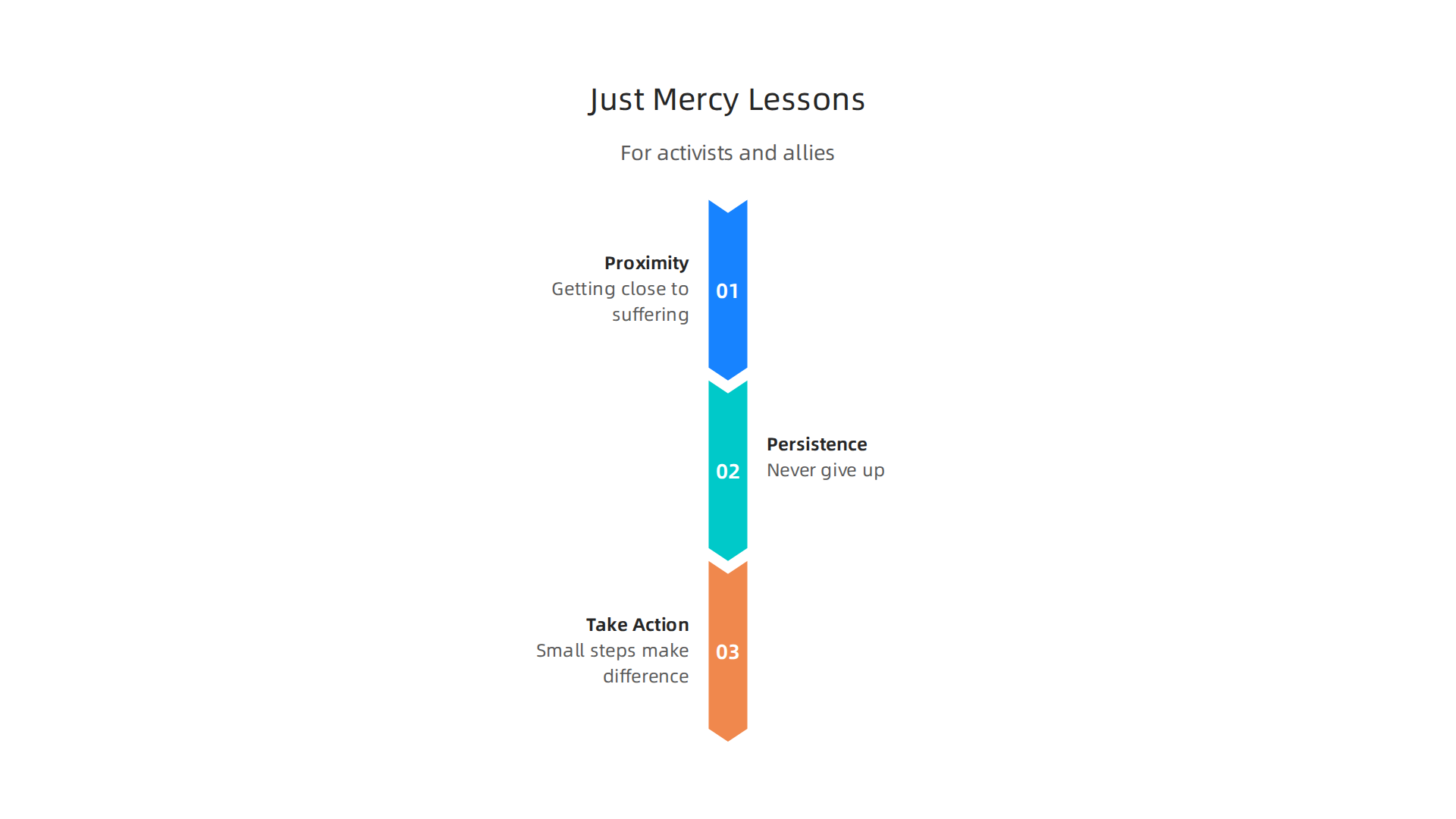
The just mercy book does more than just tell a powerful story. It also gives important lessons for anyone who wants to help make the world fairer. These lessons are for activists, allies, and everyday people.
They show us how to truly make a difference.
The Power of Being Close to the Problem
One big lesson from the just mercy book is about "proximity." This means getting close to the people who are suffering. Bryan Stevenson, the author, teaches that we can only understand injustice when we are near those who feel it most. It is not enough to read about a problem far away. We need to go to where the problem is. We need to listen to the people whose lives are affected.
For instance, Stevenson chose to work directly with people on death row. He did not just talk about criminal justice reform from an office. He went to the prisons. He spoke with Walter McMillian and many others. This close work helped him see the unfairness firsthand. It also helped him fight better for them. This hands-on approach is important for anyone trying to bring change. If you are reading the just mercy book or any book like it, perhaps through your favorite e-reader or a Top Platforms And Apps For Free Books To Read Online In 2026, think about how its lessons can be applied in your own community.
Never Give Up: The Lesson of Persistence
Another key lesson from the just mercy book is the importance of never giving up. Bryan Stevenson faced many hard times. He saw innocent people locked away. He dealt with unfair judges and lawyers. But he kept fighting. He kept believing that change was possible, even when things looked very bad.
His work shows us that making big changes takes a long time. It needs patience and a strong heart. Even when famous actors like Matthew McConaughey brought the story to film, making it a widely seen "matthew mcconaughey book" in movie form, the real-life struggle continued. Stevenson’s persistence led to many victories, helping people find justice after years of being wrongly imprisoned. This fight for justice is not a quick one. Many years passed from when Walter McMillian was first accused until he was set free. Stevenson’s dedication, as seen in his organization, the Equal Justice Initiative, is a powerful example of what it means to keep going, even when the path is hard and long Just Mercy: A Story of Justice and Redemption.

Turning Lessons into Action
The lessons from the just mercy book can inspire you. They can make you want to do something to help. You might start by learning more about how the justice system impacts people, especially those with mental health issues. Exploring topics like Multiple Personality Disorder Facts Myths And Legal Rights can deepen your understanding.
You do not have to become a lawyer or start a big organization right away. You can begin with small steps in your own life. Maybe you can speak up when you see something unfair. Maybe you can learn more about local issues. The important thing is to take action. Bryan Stevenson’s story teaches us that every effort counts.

If you are ready to take these lessons and turn them into real-world action, even in a fun and engaging way, we invite you to take the next step.
Are you ready to use your creativity, curiosity, or inspiration to make a difference? Join An Experiment and turn laughter into action and small wins.
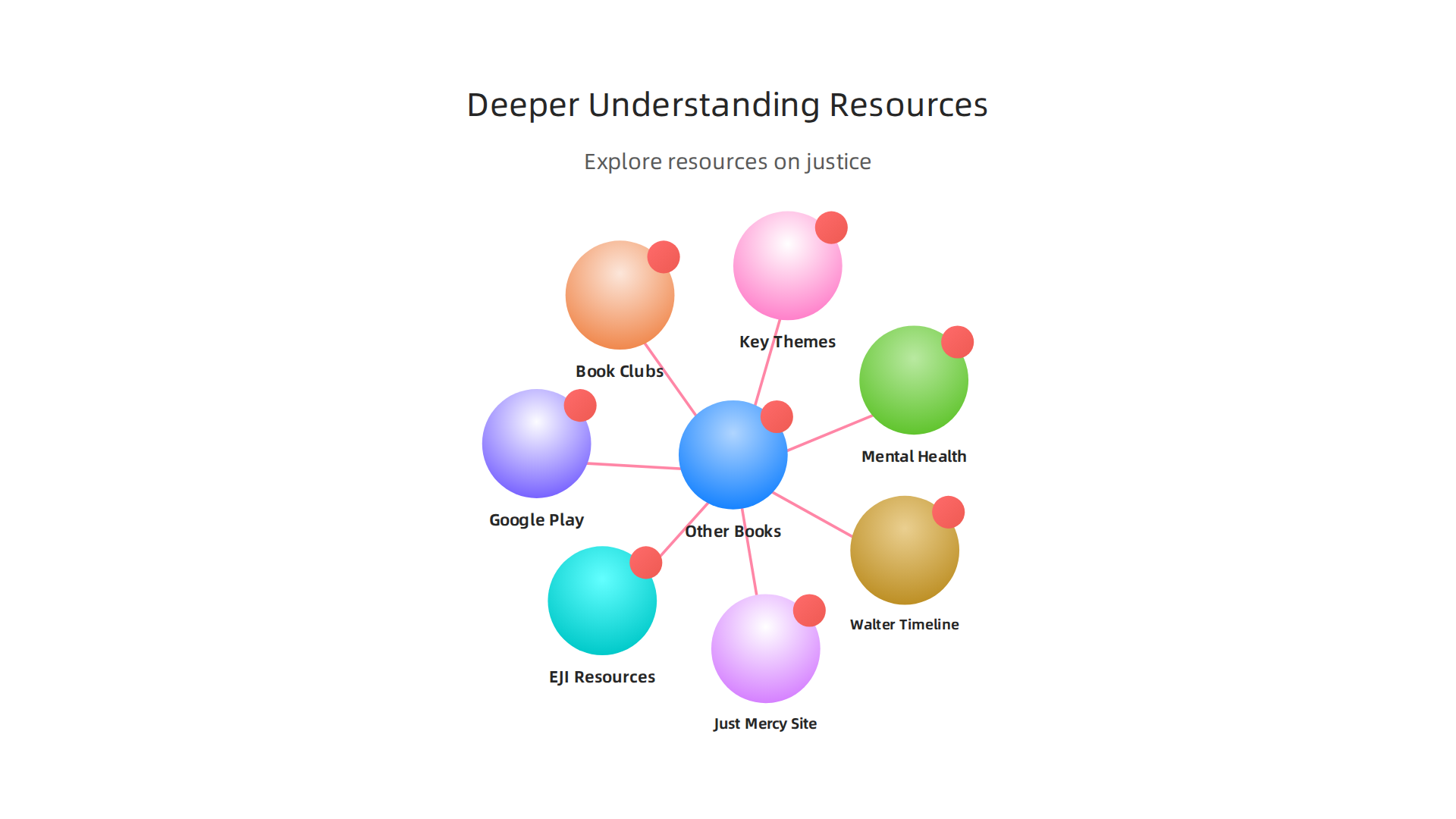
If you’re ready to dive even deeper into the topics brought up by the just mercy book, there are many other great stories and resources to explore.
These can help you grow your understanding and keep the conversation going.
Other Books That Deepen the Discussion
Bryan Stevenson’s powerful story is just one piece of a larger picture. Many other books can help you understand the challenges within our justice system and the importance of fairness. For example, if the just mercy book made you think about wrongful convictions, you might enjoy "Getting Life" by Michael Morton, a true story about a man wrongly imprisoned for murder. Another important read is "The New Jim Crow" by Michelle Alexander, which talks about how racial issues still affect the justice system today. You can find many more suggestions on reading lists inspired by the themes of the just mercy book 8 Books for Confronting the Criminal Injustice System: A Just Mercy … and other collections that focus on criminal justice reform Books About Criminal Justice Reform | Penguin Random House.
These books are more than just stories; they can truly make you think. You might find them through popular platforms, maybe even on the google play books app, or by looking for recommendations on how to find an educated book that will transform your thinking.
Resources from Organizations
The Equal Justice Initiative (EJI), founded by Bryan Stevenson, offers much more than just his book. Their website has articles, videos, and reports that give more details about their work. They shine a light on problems like mass imprisonment and unfair punishments. These resources can help you learn about current issues in criminal justice reform in 2026. Looking at what organizations like EJI share is a great way to stay informed and see how the real-world fight for justice continues, much like the journey shown in the just mercy book and its movie adaptation, which some might call a matthew mcconaughey book after the actor.
Book Clubs and Discussion Guides
Talking about books like Just Mercy can make their lessons stick even better. Many book clubs choose the just mercy book because it leads to deep conversations about mercy, justice, and human rights. There are also many free discussion guides online. These guides have questions that help groups talk about the book’s main ideas, characters, and what Bryan Stevenson teaches.
Joining a book club or starting your own can be a great way to explore these tough topics with others. You might even find yourself discussing other powerful literary works, like "The Importance of Being Earnest" book, which, while very different, also sparks conversations about society and truth. These group discussions can help you process the heavy content, share your feelings, and find new ways to understand the world around you.
Staying connected and informed about these vital topics and others like them is important. If you wish to receive ongoing updates about books, experiments, and ways to participate in a community focused on positive action and creativity, we invite you to take the next step.
Join The Newsletter to stay updated with books, experiments, and creative opportunities that make a real difference.
Summary
Just Mercy, Bryan Stevenson’s memoir, uses the wrongful conviction of Walter McMillian to reveal how race, poverty, and bias warp the American criminal justice system. This article walks through McMillian’s case, the book’s three central themes—mass incarceration, mercy, and hope—and Stevenson’s work with the Equal Justice Initiative to win freedom for the wrongly condemned. It explains why the story still matters in 2026, summarizes the book’s real-world impact on public opinion and policy, and highlights practical lessons readers can apply: get close to problems, persist, and turn awareness into action. The piece also points to where you can read the book, discussion guides for groups, other recommended reads that deepen the topic, and mental-health/legal resources that intersect with justice reform. Overall, readers will finish able to explain the book’s core arguments, find editions or apps to read it, join conversations or local efforts, and pursue further resources to stay engaged.