We all feel a bit tired sometimes, don’t we? It’s easy to get lost in looking at screens all day, scrolling through endless stuff. This can make us feel low on energy and even a bit lonely, even when we’re surrounded by digital things. Many of us are looking for something more real and helpful online, something that truly makes a difference in our lives.

This is where "gamified self-improvement" comes in. It’s about using fun ideas from games to make everyday tasks and personal growth more exciting. Think of it as making things game-like, or applying game ideas to things that are not games, like learning or staying healthy. This idea, called gamification, adds things like points, levels, and challenges to help you stay motivated and reach your goals. It’s a way to turn boring tasks into fun adventures. For example, a simple mental health tracker app might give you stars for doing your daily self-care tasks.
In 2026, it’s more important than ever to find ways to make healthy habits stick. Gamified self-improvement helps with this by making tasks feel less like chores and more like steps in an exciting journey. It can help you find better ways for self-care for loneliness by connecting you with others or giving you fun challenges to do. This approach aims to boost your spirits, help you build good habits, and even find new friends and communities.
This article will show you clear and easy ways to use game-inspired ideas to get more done, build good habits that last, and connect with people who share your goals. It’s about taking action, having fun, and seeing real results in your life.
Want to try something new and exciting that turns everyday challenges into fun experiments?
Join An Experiment
Core concepts: gamify synonym and related terms explained
Let’s dig a bit deeper into what "gamify" really means. When we talk about gamified self-improvement, we’re mostly talking about "gamification." This big word just means using fun ideas from games in things that aren’t games at all. Think about it like adding a score or a special badge to your daily chores to make them more interesting. The dictionary says "gamification" is about adding game-like parts to something to get people to join in more GAMIFICATION Definition & Meaning – Merriam-Webster.
There are other words that mean almost the same thing as "gamify synonym," but they have small differences. For example, experts often define "gamification" as using game design elements in contexts that are not games What Is Gamification? Definition, Examples & 8 Core Drives. This can include things like points, levels, leaderboards, and challenges. These are the tools that help turn a boring task into something exciting.
Sometimes, you might hear the term "gameful design." This is a bit like gamification but focuses more on how something feels like a game, making the experience itself fun and engaging, even without specific points or badges. It’s about designing an activity to naturally feel like play. Other similar words can be "ludification" or "playification," which also talk about making things more playful and fun Gamification Synonyms: Level Up Your Vocabulary [2023].
Different groups of people use these words in slightly different ways.
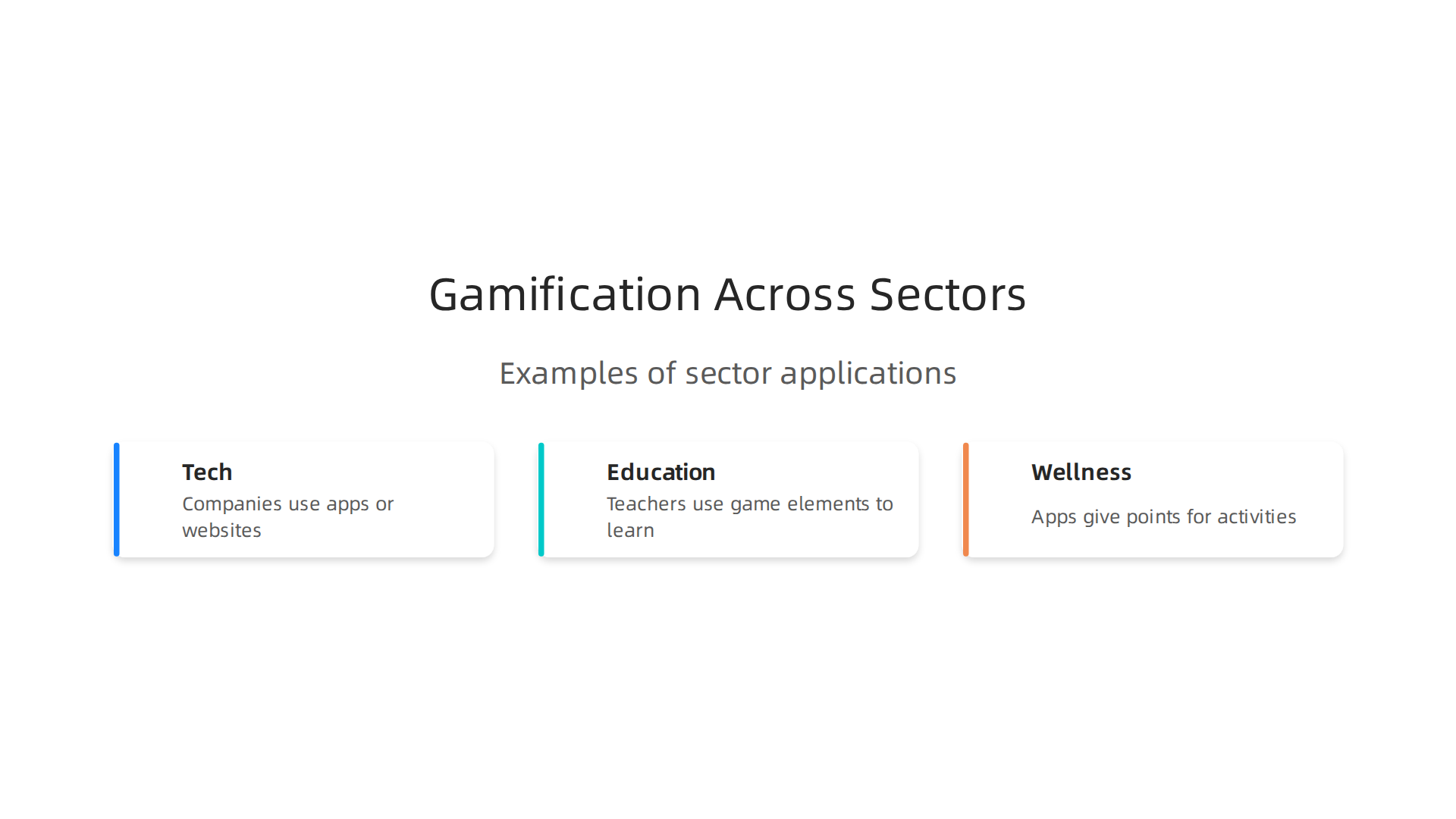
- In Tech: Companies that make apps or websites use gamification to keep you coming back. They might give you daily rewards or progress bars.
- In Education: Teachers might use game elements to make learning new things more fun, like a quiz that gives you points or a reading challenge with different levels.
- In Wellness: This is where it really helps with things like a mental health tracker or ideas for self-care for loneliness. Imagine an app that gives you points for doing your morning walk or checking in with a friend. These little game ideas make it easier to stick to good habits.
Knowing these different terms matters because it helps us understand what kind of "game-like" experience we’re getting. Is it just adding a few points, or is the whole activity designed to be deeply engaging and fun, like reading Practical Men’s Mental Health Books To Boost Your Well-Being? When we use the right words, we can better choose tools that truly help us achieve our goals, whether it’s getting more done or finding a creative spark. Using gamified ideas can even help manage a "burn book" for letting go of bad thoughts by turning it into a structured, helpful activity rather than just a simple diary. If you’re looking for other ways to organize your daily tasks and turn them into achievements, check out how to find the best task management apps 2026.
Using these concepts smartly can really change how you see your daily tasks. It can make self-improvement feel less like a chore and more like a game you want to play every day.
Want to stay in the loop on new ways to make self-improvement fun and connect with a community that loves to create and participate? Join The Newsletter
What the evidence says: effectiveness for well-being and behavior change
After understanding what gamification means and how it can make tasks more fun, a big question pops up: does it actually work? Luckily, many smart people have looked into this. They’ve studied how using game ideas can help us feel better, stick to good habits, and improve our well-being.
The good news is, a lot of research shows that gamification can be very helpful.

For example, a big study from 2024 looked at many papers and found that adding game-like parts to activities can really change health behaviors for the better The Effectiveness of Gamification in Changing Health-related Behaviors: A Systematic Review and Meta-analysis. This means things like getting more active or eating healthier.
Another review from 2026, which looked at many studies, also found that gamified tools can help people change their behavior. It is especially useful for encouraging physical activity. Think of apps that give you points for hitting your daily step goal or badges for completing a workout. These little rewards can be a strong push to keep going. If you’re looking for tools to help with physical activity, some of the best free home workout apps often use these kinds of game-like features.
When it comes to mental health, the evidence is also promising. Digital tools that use gamified parts are being studied to help people with their mental well-being. A 2026 systematic review explored how gamification in digital mental health interventions affects how much people use them and if they work Systematic Review Gamification in Digital Mental Health …. It’s not just about tracking mood. Imagine a mental health tracker that awards you for practicing self-care for loneliness or for reaching out to a friend. These little game ideas can make tough emotional work feel less like a chore.
However, the science also tells us that it’s not a magic bullet for everything. Sometimes the effects of gamification are small, or they might not work for everyone in the same way. A 2025 meta-analysis on mobile health gamification interventions found a small effect on behavior change, suggesting that while helpful, it’s not always a huge impact Effectiveness of Mobile Health–Based Gamification Interventions for … – PMC. This means that just slapping points onto something isn’t always enough. The game needs to be well-designed and truly engaging.
What works best usually involves a mix of different game elements. Things like clear goals, feedback on your progress, challenges, and rewards often lead to better results. Also, it helps when the gamified activity is social, allowing you to connect with others. This can be super important for things like self-care for loneliness, where sharing experiences or progress can build a sense of community. Even finding an accountability partner app can bring that social, supportive aspect to your self-improvement journey.
So, while more research is always good, especially in newer areas like processing complex emotions with a "burn book" turned into a structured gamified activity, the current evidence says that using a gamify synonym or gamified approaches can indeed be a powerful tool for boosting motivation, forming good habits, and improving our overall well-being. It helps turn dull tasks into small, achievable quests, guiding us toward positive mental health outcomes.
So, what are these game ideas, or a gamify synonym for them, that truly make a difference in our lives? It’s often not just one thing, but a clever mix of small game elements that tap into how our brains naturally work. These are called core mechanics.
Points, Badges, and Progress: Your Path to Feeling Accomplished
Think about tasks you do every day. What if they gave you a little boost each time? That’s what core game mechanics aim to do.
- Points: These are like small numeric rewards for finishing a task. They give you instant feedback, showing you’ve done something right. For example, a
mental health trackermight give you points for writing in your journal or doing a five-minute mindfulness exercise. This helps reinforce the habit and makes you feel like your effort is seen. In 2026, many gamified tools use points to keep users engaged and active 26 Reliable gamification statistics that impact business in 2026. - Badges: While points track small steps, badges are like digital trophies for bigger achievements. They mark important milestones, giving you a sense of pride and recognition. Imagine getting a "Resilience Star" badge for consistently managing stress for a week, or a "Friendship Builder" badge for practicing
self-care for lonelinessby reaching out to three people. Badges help confirm your progress and make your journey feel more meaningful Gamification psychology: points, badges, and leaderboards. - Progress Bars: Seeing a bar fill up, like "70% of profile complete" or "Level 3 Unlocked," is a powerful motivator. It shows you how far you’ve come and how close you are to your goal. This visible progress helps you feel more capable and less likely to give up. It taps into our natural desire to finish what we start. This kind of visual tracking is common in best running apps 2026 and helps people stick to their fitness goals.
These mechanics work because they meet basic human needs, like feeling competent (getting better at something), having autonomy (making choices), and feeling connected to others.
Social Loops: Connecting and Sharing Your Journey
Another strong motivator is the social part of games. This can include leaderboards, where you see how you compare to others (in a fun, encouraging way), or simply sharing your progress with friends. For example, if you’re working on self-care for loneliness, sharing your achievements with a small online group or an accountability partner can provide support and make you feel less alone. This social connection helps you feel part of something bigger, which is a powerful driver for well-being.
However, for these game-like elements to truly motivate, they need to feel real and meaningful. It’s not just about slapping points onto something. The best gamified experiences give you a sense of purpose and a "story arc," not just a simple progress bar Gamification 2.0. Beyond Points and Badges: Designing for …. When you pick mechanics, it’s key to choose ones that align with what truly motivates you from the inside, rather than just chasing superficial rewards. This makes the experience more about personal growth and less about fleeting achievements.
Ultimately, designing effective gamified experiences means understanding these core mechanics and how they connect to our deeper emotional and psychological needs. They can help us build positive habits, feel more connected, and improve our mental well-being.
Ready to try a new way to engage and feel more connected? If you’re looking to transform feelings like loneliness or self-doubt into fun, meaningful action, then you might want to Join An Experiment and become part of a community-driven journey.
Building on core mechanics, the real magic happens when we design small, game-like experiments for our own lives. It’s about taking a personal goal and adding fun rules to help you stick with it. This is how you really gamify synonym your journey for personal growth and lasting change.
Here is a simple way to set up your own mini-game for better habits:
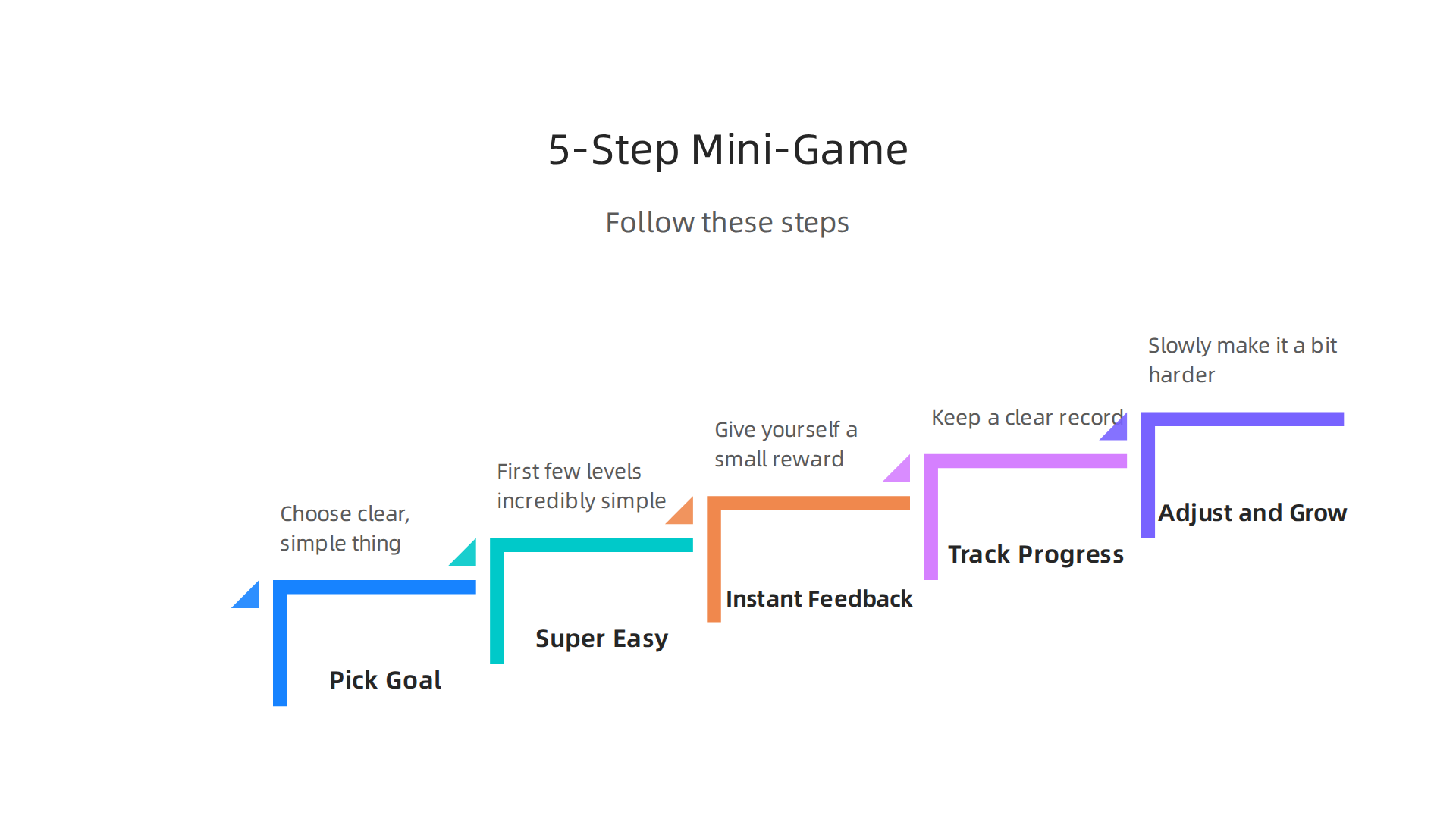
1. Pick One Small Goal
First, choose just one clear, simple thing you want to work on. Don’t pick something too big right away. Maybe it’s "drink a glass of water every morning" or "read for 10 minutes before bed." This core action is the "behavior you want to drive" in your personal game The Gamification Playbook. The goal should be something you can do easily and often. If you’re looking for deeper reflection to define your goals, you might want to uncover your true path 10 books for self discovery and meaningful reflection.
2. Make it Super Easy to Start
This step is called "scaffolding difficulty." It means making the first few levels of your game incredibly simple. For example, if your goal is to exercise, start with "do one push-up." If it’s about being more mindful, begin with "take three deep breaths." The idea is to make the starting point so easy you can’t say no. This helps you get past the hardest part: just beginning. Think of it like a game tutorial.
3. Add Instant Feedback and Rewards
Now, bring in some game elements. Every time you do your chosen action, give yourself a small reward. This creates what’s known as a "rapid feedback loop" 12 Gameful Design Secrets for Social Impact (2026).
- Points: Give yourself 10 points for each completed action.
- Streaks: Keep a daily count. "I’ve done this for 3 days in a row!" Seeing that number grow can be a powerful motivator. You can also use a mental health tracker app to log your actions and see your progress.
- Small Rewards: After 7 days, treat yourself to something small, like watching an episode of your favorite show or a new cup of coffee.
- Visual Progress: A simple checklist or a progress bar in an app can show you how far you’ve come. This is a key part of designing effective game mechanics What Is Gamification? Definition, Examples & 8 Core Drives.
These quick rewards help your brain connect the action with feeling good.
4. Track Your Progress
Seeing how well you’re doing helps you stay motivated. Whether it’s a notebook, a special app, or just a mark on a calendar, keep a clear record. You can even create a simple graph to see your "score" go up over time. This visible progress helps you understand your journey and makes it feel more meaningful. Apps that help with this include best task management apps 2026 for focus and productivity.
5. Adjust and Grow
As your small experiment becomes easier, you can slowly make it a bit harder. Instead of "one push-up," maybe it becomes "five push-ups." If you miss a day, that’s okay. Games have restarts and second chances. The goal is to keep playing and learning. If you are working on something like self-care for loneliness, you might start with just sending one text, then grow to joining an online group or even a book club. The key is to make adjustments that keep the challenge just right, not too hard and not too easy.
Just as you can use game-like ideas to improve your own habits, creators and brands can use these same ideas to build stronger, more active communities. It’s about turning people who just watch into people who take part and feel like they belong.
This is how you really make your audience happy and keep them coming back.
When creators or brands use gamification, they are designing fun ways for people to engage with their content or products. This means moving beyond simple likes and comments to encourage actual participation. This approach can make engagement jump by a lot. In fact, gamified campaigns can boost user engagement by 100% to 150% compared to old-fashioned marketing ways, looking at things like how many unique views, page views, and community actions people take, and how long they stay on a site 50+ Gamification Statistics You Need to Know in 2026.
Here are some ways creators and brands can build these kinds of experiences:
Make it Easy to Join
The first step is always to make it super simple for people to start. Think of it like inviting someone to play a new game; you wouldn’t give them all the hardest levels right away.
- Small Tasks: Ask for tiny actions. Maybe it’s uploading a short video or answering one quick question. This reduces the barrier to entry, meaning more people will try it.
- Clear Instructions: Make sure everyone knows exactly what to do. A good example is a "7-Day Creator Challenge" that offered daily micro-tasks and simple video prompts, helping gain many new subscribers 7-Day Creator Challenge Case Study: 2,300 Subscribers.
Show Off Progress and Give Rewards
People love to see their efforts recognized, just like getting points in a game.
- Public Recognition: Use hashtags, repost user content, or create simple leaderboards. This makes participants feel seen and valued. For example, some campaigns focus on recognizing everyone, not just the top winners Influencer-Led Gamification Campaigns.
- Tiered Rewards: Offer different kinds of rewards. These could be special digital badges, exclusive content, or even a shout-out. This is part of designing a reward system that makes people want to create and share more The UGC Gamification & Incentives Playbook. You could even offer fun rewards like copies of books through a successful book giveaway.
Build a Real Community
When people feel like they are part of something bigger, they stay engaged longer. Gamified experiences can help fight feelings of self-care for loneliness by connecting people around shared goals and fun activities.
- Shared Goals: When everyone is working towards a common goal or taking part in a challenge, it creates a bond. This helps people connect and makes the experience more meaningful.
- Interaction: Encourage users to interact with each other. This could be by liking or commenting on each other’s work or through dedicated community spaces. Many
best websites for creatorshelp build these kinds of connections Best Websites for Creators Build Community and Monetize Work in 2026.
By using these game-like elements, creators and brands can turn their audience into an active, loyal community. If you’re looking to explore new ways to engage your audience and foster a vibrant community, why not take the next step?
Ready to turn your curiosity into action and see how these ideas work in real life?
Join An Experiment
Stay in the loop with all the exciting developments, new challenges, and creator opportunities.
Join The Newsletter
After all the effort to use game-like elements to grow your community, how do you know if it’s really working? And more importantly, how do you make sure these fun experiences are also safe and good for everyone? That’s what we need to talk about next.
Measuring success, avoiding harm, and ethical guardrails
When you apply game-like ideas, or a gamify synonym approach, to build community, it’s key to look at the right things. It’s not just about how many people click a button. You want to see if people are truly getting involved in a good way.
How to know if you’re succeeding
Instead of just counting "likes" (which are sometimes called "vanity metrics" because they look good but don’t show deep engagement), focus on real participation. Think about these questions:
- Are people spending more time in your community?
- Are they creating their own content or helping others?
- Do they come back often?
- Are they talking to each other and building friendships?
These are signs of quality engagement. You might track how many people finish a challenge or how often they share their thoughts. For example, if you’re building an experience for better mental well-being, you could look at if people are using a mental health tracker feature, if they report feeling less lonely, or if they share positive mental health quotes with each other. These metrics show that your gamified system is actually making a difference in people’s lives, helping with things like self-care for loneliness. Measuring how people interact and how they feel about their participation is crucial for truly understanding success A Guide to Digital Wellbeing.
Doing things the right way: Ethical rules
Applying game ideas isn’t just about fun; it also comes with big responsibilities. We need to make sure these experiences don’t accidentally cause harm.
Avoiding addiction
One worry is making things too addictive. Think about how some video games can be hard to put down. When you design gamified experiences, you need to be careful not to create "addiction loops" that make people feel forced to play or engage. Experts have looked at what makes video gaming and gambling feel compulsive Operationalization and measurement of compulsivity across video gaming and gambling behavioral domains. Good design helps people feel in control and stops them from spending too much time or energy. The goal is to encourage healthy habits, not unhealthy ones.
Protecting privacy
When people share their progress or personal stories, their privacy must be protected. Always be clear about what information you collect and how you use it. Keeping user data safe and private is a key ethical principle, especially for digital mental health tools Gamified Digital Mental Health Interventions for Young People.
Making it accessible for everyone
Not everyone uses technology the same way. Some people might have trouble seeing, hearing, or using a mouse. Your gamified experiences should be designed so that everyone can take part. This means following rules like the Web Content Accessibility Guidelines (WCAG), which help make online content easier for people with disabilities to use Web Content Accessibility Guidelines (WCAG) 2.2. Designing digital experiences for mental health also means making sure they are inclusive and usable by all Designing digital experiences for mental health.
It’s important to think about the bigger picture of digital well-being. Good gamified systems should empower people and respect their choices, not trick them into engaging The Ethics of Digital Well-Being: A Thematic Review. By measuring the right things and following ethical guidelines, creators and brands can build truly positive and impactful communities.
Want to keep learning about how to create engaging, ethical, and fun experiences?
Okay, so you’ve thought about how to tell if your community-building efforts are working, and you know the important rules to keep everyone safe. Now, let’s get down to the fun part: trying out actual game-like ideas in your community. It’s time to move from thinking to doing, with some simple steps and a ready-to-go plan.
Practical templates, micro-experiments, and a 7-day starter plan
Putting game-like ideas, or a "gamify synonym" approach, into action doesn’t have to be hard. You can start small, see what works, and build from there. Think of these as little adventures for your community.
Ready-to-use ideas to try
When you want to boost engagement, remember that simple game parts work best. You can use things like:
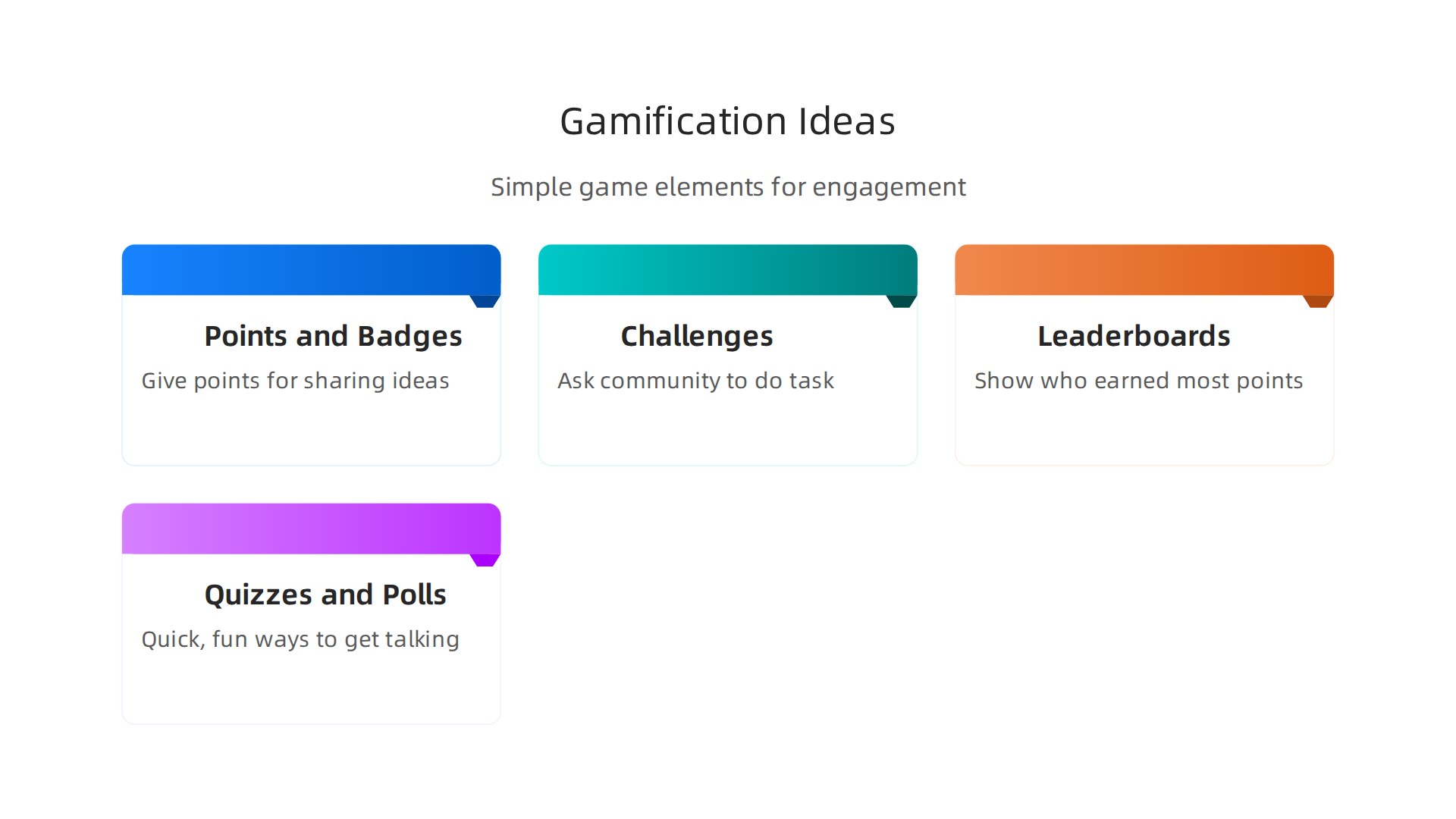
- Points and Badges: Give points for sharing ideas or helping others. Special badges can show who has reached certain milestones.
- Challenges: Ask your community to do a small task, like sharing a photo related to a theme or writing a short story. These types of challenges can lead to a big jump in how much people get involved, sometimes 100% to 150% more than usual marketing tricks 50+ Gamification Statistics You Need to Know in 2026.
- Leaderboards: Show who has earned the most points or completed the most challenges. This helps people see their progress and feel recognized.
- Quizzes and Polls: These are quick, fun ways to get people talking and sharing their thoughts. Using tools for interactive quizzes can boost engagement by over 30% Gamification for Earned Media: Boost Engagement 30%.
The key is to keep it simple and make the actions clear for everyone. You can also define specific user-generated content (UGC) behaviors you want to see and choose game mechanics that fit your community’s goals The UGC Gamification & Incentives Playbook.
Your 7-day micro-experiment blueprint
A micro-experiment is a small, short test to see how your community reacts. Here’s a 7-day plan you can use to kick things off:
- Day 1: Welcome Challenge. Ask new members to introduce themselves with a specific fun fact or a "positive mental health quotes" that means something to them.
- Day 2: Share Your Story. Give a simple prompt, like "What’s one small thing that made you smile today?" or "Share a tip for
self-care for loneliness." - Day 3: Quick Quiz. Post a short, fun quiz about a topic your community cares about. Maybe something related to mental well-being or a silly sci-fi fact.
- Day 4: Daily Photo. Ask people to share a photo of their desk, their pet, or something that inspires them.
- Day 5: Help a Friend. Create a space where people can ask for advice or support, and encourage others to offer helpful thoughts. This can be as simple as asking "What’s one thing you’re working on, and how can we support you?"
- Day 6: Creative Corner. Invite everyone to share something they’ve made or found that week, whether it’s a drawing, a song, or even just a cool link.
- Day 7: Reflect and Share. Ask members to share one thing they learned or enjoyed during the week. You can even suggest they use a simple
mental health trackerto note their feelings. A real-world example showed that daily micro-tasks, like a short video prompt, helped convert many participants into subscribers in just 7 days 7-Day Creator Challenge Case Study.
Remember to make progress public with hashtags or by reposting great shares. And always make sure to reward recognition, not just the "winners" Influencer-Led Gamification Campaigns.
Growing your experiments into lasting habits
After your 7-day experiment, look at what happened.
- Did people enjoy it?
- What parts got the most engagement?
- What felt easy, and what was hard?
If something worked well, try it again. Maybe extend a 7-day challenge to 14 days, or add a new reward. If a particular prompt really got people talking, make it a regular feature. You can turn small wins into bigger community-led projects. For example, if many people share inspiring quotes, you could create a shared "positive mental health quotes" collection.
The goal is to find what truly makes your community come alive and then build on that. Every little experiment is a chance to learn and make your community even better. If you’re ready to dive in and turn curiosity into action, you can explore opportunities to participate.
Summary
This article explains how gamified self‑improvement uses game design ideas—points, badges, progress bars, challenges and social loops—to make habit change, wellbeing work, and community building more motivating and fun. It defines related terms like gamification and gameful design, reviews evidence showing gamified tools can improve health and activity (while noting effects vary), and lays out the psychology behind core mechanics. The guide gives a clear five‑step method for creating a personal mini‑game, plus ready templates creators can use to boost participation. It covers how to measure real engagement (beyond vanity metrics) and the ethical guardrails you must follow to avoid harm. Finally, you get practical micro‑experiments and a 7‑day blueprint to test and grow habits or community interaction. After reading, you’ll know how to design simple, safe gamified experiences you can try immediately and iterate for lasting results.