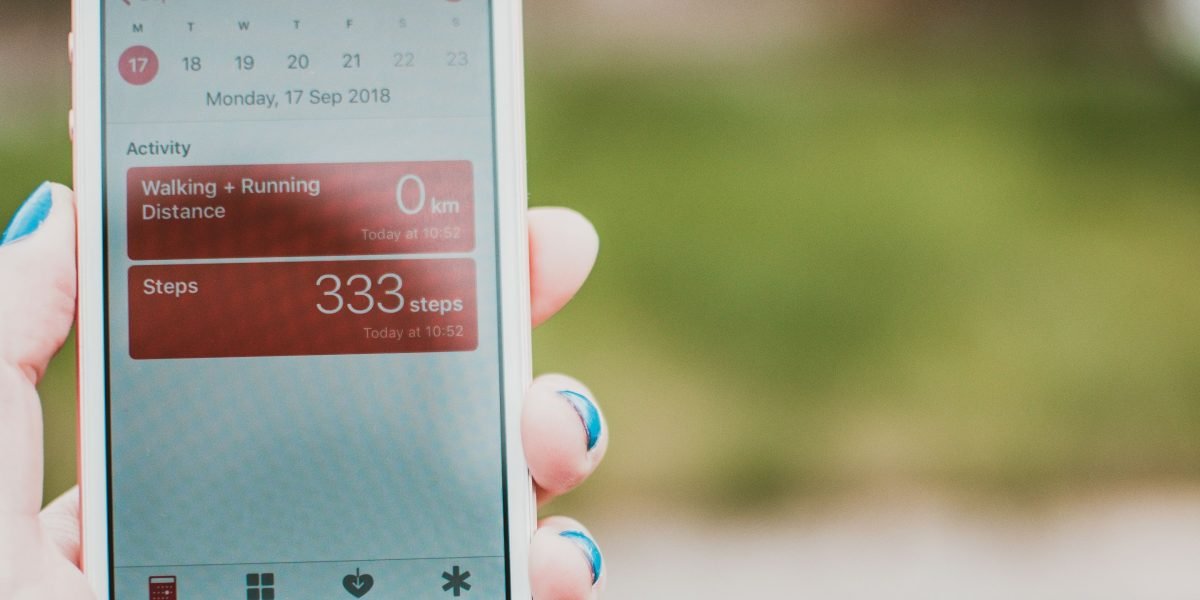
It seems like everyone has a phone or a tablet these days, and with that comes a world of apps. But with so many choices, it can feel overwhelming. Do you ever feel lost trying to find an app that truly helps you feel better, move more, or just feel less lonely? It’s easy to get caught in endless scrolling, feeling more tired than before.

But actually, picking the right fitness and wellness app can make a big difference in your daily life.
You see, a good app can be like having a friendly helper right in your pocket. It can give you a little push to stay active, help you eat better, or even connect you with others who share your goals. The trick is finding a truly strong app, one that is designed to motivate you and make you feel less isolated, instead of adding to digital overload. Not all apps are created equal. Some studies, in fact, show that while many apps exist, their ability to help people change their habits can vary a lot, meaning a careful choice is important for success. One key is choosing apps that use proven ways to help you stick to new behaviors, like setting goals or giving you feedback on your progress.
In this guide, we’re going to help you learn how to choose a strong app. We’ll look at what makes an app truly useful for changing your habits, how to make sure your personal information stays private, and how to find apps that build real communities. We’ll even explore how some apps can open up chances for creators to share their work. Maybe you’re looking for the best calorie counter app, or maybe you’re curious about new ways to exercise using gamification websites or even virtual reality with an oculus app download. Whatever your goal, we’ll help you find an app that’s not just a tool, but a partner in your journey to a better you.
If you want to stay in the loop about how apps can help with wellness, community, and even creative projects, be sure to Join The Newsletter for ongoing updates.
Apps that really help you change your ways often use smart tricks. Think of these as little helpers built into the app.
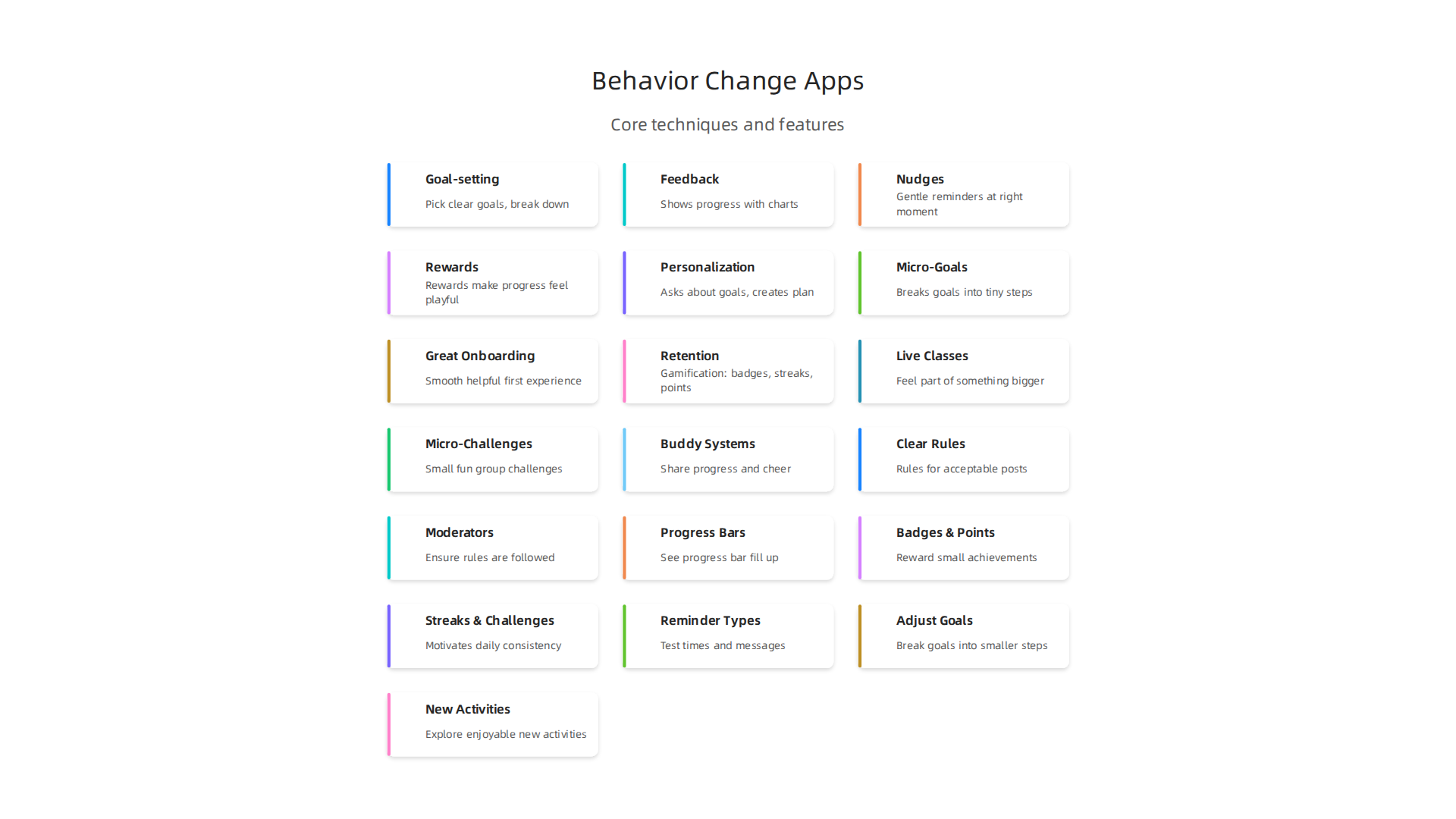
One big trick is goal-setting. A good app helps you pick clear goals, like walking 10,000 steps a day or drinking more water. It breaks down big goals into small, easy steps. Another trick is feedback. The app shows you how you’re doing, like a report card that cheers you on. It might show charts of your progress or give you badges for reaching milestones. This helps you see your wins and keeps you going. Apps also use nudges, which are gentle reminders or tips. These could be messages like "Time for your evening walk!" or "Don’t forget to track your meal!" They’re meant to give you a little push at just the right moment. Some even use rewards to keep you interested, a technique often found on gamification websites that make self-improvement feel like a game. These methods help people stick to new habits by letting them keep an eye on what they’re doing and rewarding their efforts, as highlighted in studies on Potential associations between behavior change techniques….
But what do big studies say about whether these apps really work? It turns out it’s a bit of a mixed bag. Many studies have looked at apps for things like getting more exercise or eating better. For example, some research from 2026 looked at how well apps help people become more active. While some apps can lead to small improvements, other studies have found that there isn’t always strong proof that mobile apps greatly change health habits for everyone Mobile Apps for Health Behavior Change in Physical Activity…. It seems a strong app that uses persuasive technology might work better for some people than others. The results can depend on the person, the type of app, and how often someone actually uses it.
Even the best calorie counter app or a cool new oculus app download for virtual reality workouts can have limits. Apps sometimes don’t work for long because people stop using them. This is called low retention. People might lose interest after a few weeks or find the app too hard to use. One study even tracks how many days pass between a user signing up for a fitness app and their last recorded workout Analysis of Training Behavior in Users of a Fitness App. If an app is not updated, doesn’t offer new challenges, or just feels boring, users might stop engaging. Also, if an app doesn’t fit a person’s life or goals, it won’t help much. The key is finding an app that uses smart ways to keep you interested and makes it easy to keep going, even when life gets busy. This way, you’re more likely to make real, lasting changes.
Key features to look for in a strong app (for individuals)
Since many apps struggle to keep people engaged for a long time, it’s important to know what makes a truly strong app. It’s not just about fancy features. A good app focuses on what helps you stick with new habits and reach your goals.
Core Functionality: More Than Just Flashy Extras
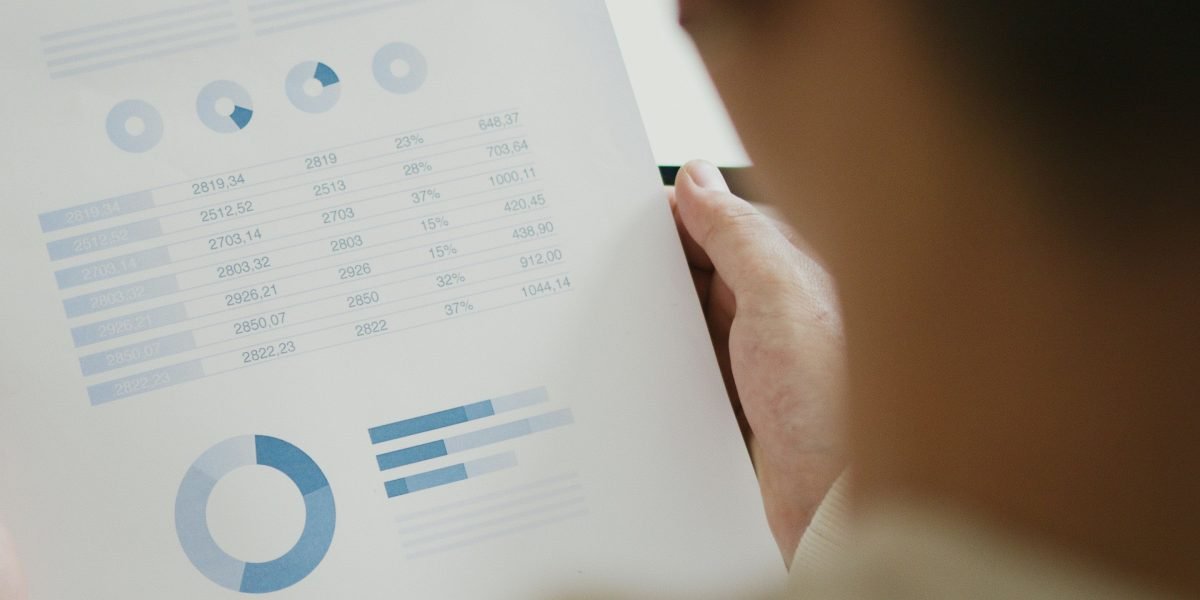
First, a strong app needs to be reliable and easy to use. It should focus on helping you, not just showing off. The best apps understand that everyone is different, so they offer personal touches. When you first start using a new app, it should ask about your goals and then create a plan just for you. This kind of personalized plan can really help you feel like the app is made for your needs, as explained in a guide on wellness app retention design.
Instead of just giving you a huge list of things to do, a good app breaks down big goals into tiny, easy steps, also called micro-goals. This helps you get "quick wins" and feel good about your progress right away, which helps you stick with it. For example, if you’re looking for a fitness helper, even a best calorie counter app should give you clear ways to track what you eat and show how you’re doing over time. This clear tracking and showing your progress is super important for long-term use.
User Experience: Keeping You Hooked for the Long Term
The way an app welcomes you and keeps you interested is called its user experience (UX). This is where a strong app really shines.
- Great Onboarding: When you download an app, the first few minutes are key. This is called "onboarding." A great app makes this first experience smooth and helpful, not confusing. It asks questions to understand you and then quickly shows you how the app will help you reach your goals. Apps that use smart onboarding can boost how many people stick around for the first day by a lot, sometimes as much as 60%, by making users feel like the app is already theirs 11 Onboarding Gamification Examples for 2026. Think about it: if an app is hard to start, you’re likely to just give up. Experts suggest keeping the questions to a minimum and quickly getting to the app’s main use How We Design Onboarding for Health Apps Without ….
- Retention-Focused Design: After the first few days, what keeps you coming back? This is "retention." A strong app uses smart design to keep you interested. This often means using elements like those found on gamification websites. You might get badges, points, or see your "streaks" grow for doing tasks regularly. These small rewards make the process fun and motivating. These types of games within an app can increase engagement and keep people using the app for longer Mastering Onboarding to Maximize Engagement …. Even newer experiences like an oculus app download for virtual workouts will use these ideas to keep you moving.
- Smart Reminders: An app should give you helpful reminders, but not too many. It should know when to nudge you and when to be quiet, based on how you’re using it Why Most Health App Users Churn Within 90 Days – Sahha.
In short, a strong app makes you feel understood, gives you clear steps, celebrates your small wins, and keeps things fun so you actually want to keep using it day after day.
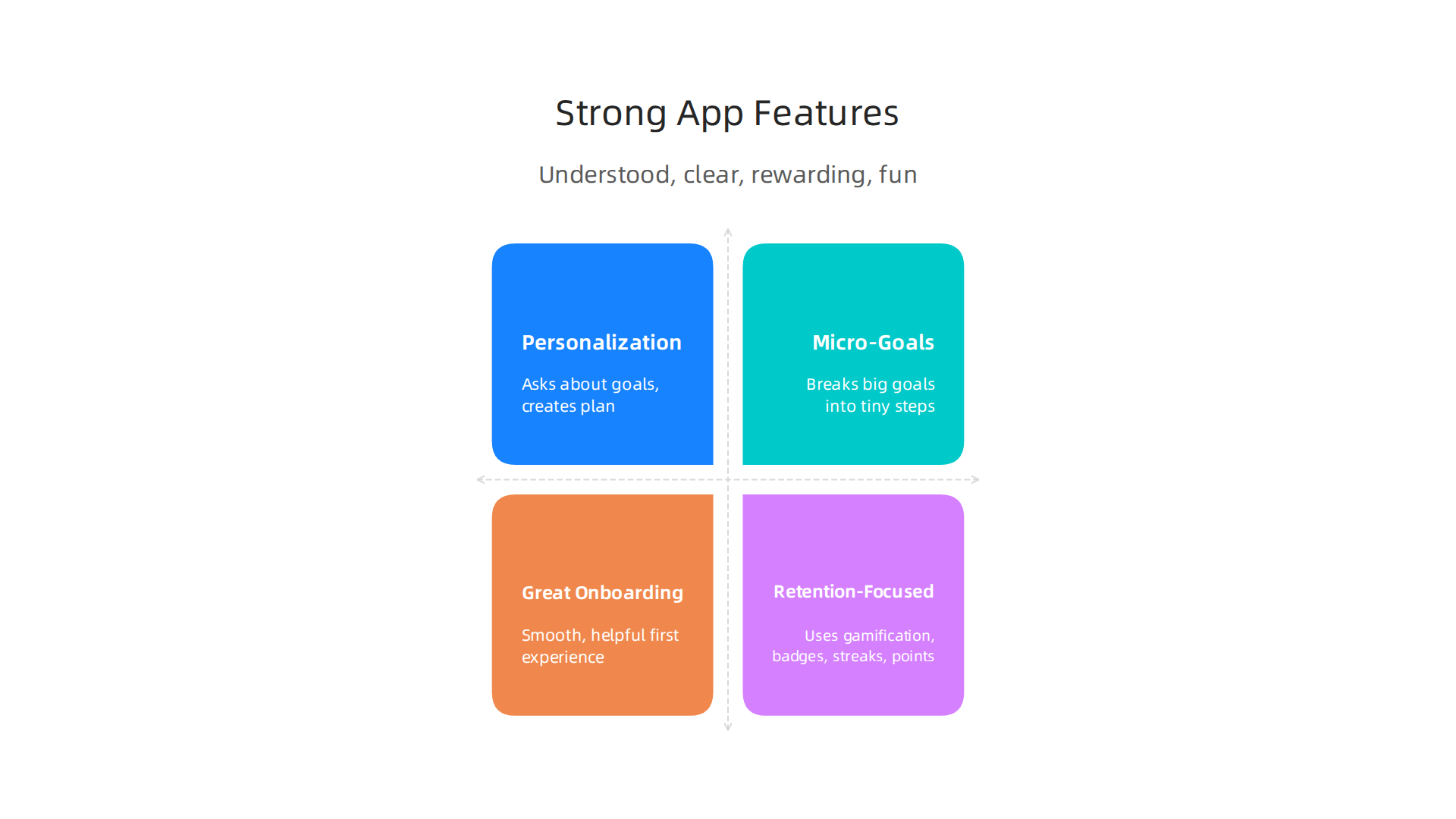
A strong app does more than just keep you interested; it also gives you good information about your progress. It’s easy to get lost in all the numbers an app can show you. But it’s important to know which numbers truly help you, and which ones just look nice.
What Metrics Really Matter?
When an app tracks your progress, not all numbers are equally helpful. You want to look for metrics that show consistency and trends, not just big, flashy totals. For example, if you’re trying to walk more, seeing your total steps for the year might feel good, but it doesn’t tell you if you’re walking regularly today or this week. What’s better is seeing how many days in a row you’ve hit your step goal, or if your average steps per week are slowly going up. Apps that help you track consistency, like daily workouts or study sessions, are key. Some fitness apps even measure "user retention" based on how often someone logs their training, showing that regular use is a true sign of success Analysis of Training Behavior in Users of a Fitness App.
A truly strong app focuses on how you’re changing your habits over time. It gives you feedback on your behavior and helps you keep an eye on yourself, which is a big part of making lasting changes Potential associations between behavior change techniques. Things like how many times you used the app this week, or if you’re slowly eating more healthy meals tracked in a best calorie counter app, are much more helpful than just a single high score on one day.
Making Sense of Your App’s Data
It’s easy to get excited by a sudden jump in your numbers or feel down about a small dip. But a strong app helps you look at your data the right way.
- Set a starting point: When you begin using an app, it should help you figure out where you’re starting from. This "baseline" is your normal activity level. Then, you can see if you’re truly improving from that point.
- Look for patterns, not just one day: Don’t stress if you miss a goal one day. Everyone has off days! What matters most is the overall direction your efforts are going. Are you generally doing better this month than last month? That’s real progress. Mobile apps and activity trackers can help increase physical activity in adults, especially when they provide regular feedback Do smartphone applications and activity trackers increase physical activity in adults? Systematic review, meta-analysis and metaregression.
- Avoid "overfitting": This is a fancy way of saying don’t get too focused on tiny ups and downs. If you change your plan every time your numbers wiggle a little, you’ll never stick to anything. Let the trends guide you.
- Use the data to learn: A good app shows you your data in a clear way so you can understand what works for you. Maybe you do better with morning workouts, or maybe you need more reminders on weekends. The data helps you make smarter choices.
By understanding what kind of data to focus on and how to read it, you can make sure your strong app truly helps you reach your goals.
Thinking about how to stick with your goals? Consider getting an unlock success with an accountability partner app to help you stay on track.
Just tracking your numbers is good, but what if you could share your journey and get support from others? That’s where community features come in. A truly strong app understands that humans are social. It uses groups and shared activities to help people feel less alone and more eager to reach their goals.
Community features that reduce loneliness and increase engagement
The best apps don’t just give you tools; they build a helpful place for you to belong. These apps offer social features that make getting healthy or learning new things more fun and less lonely. Think of them as digital hangouts for growth!
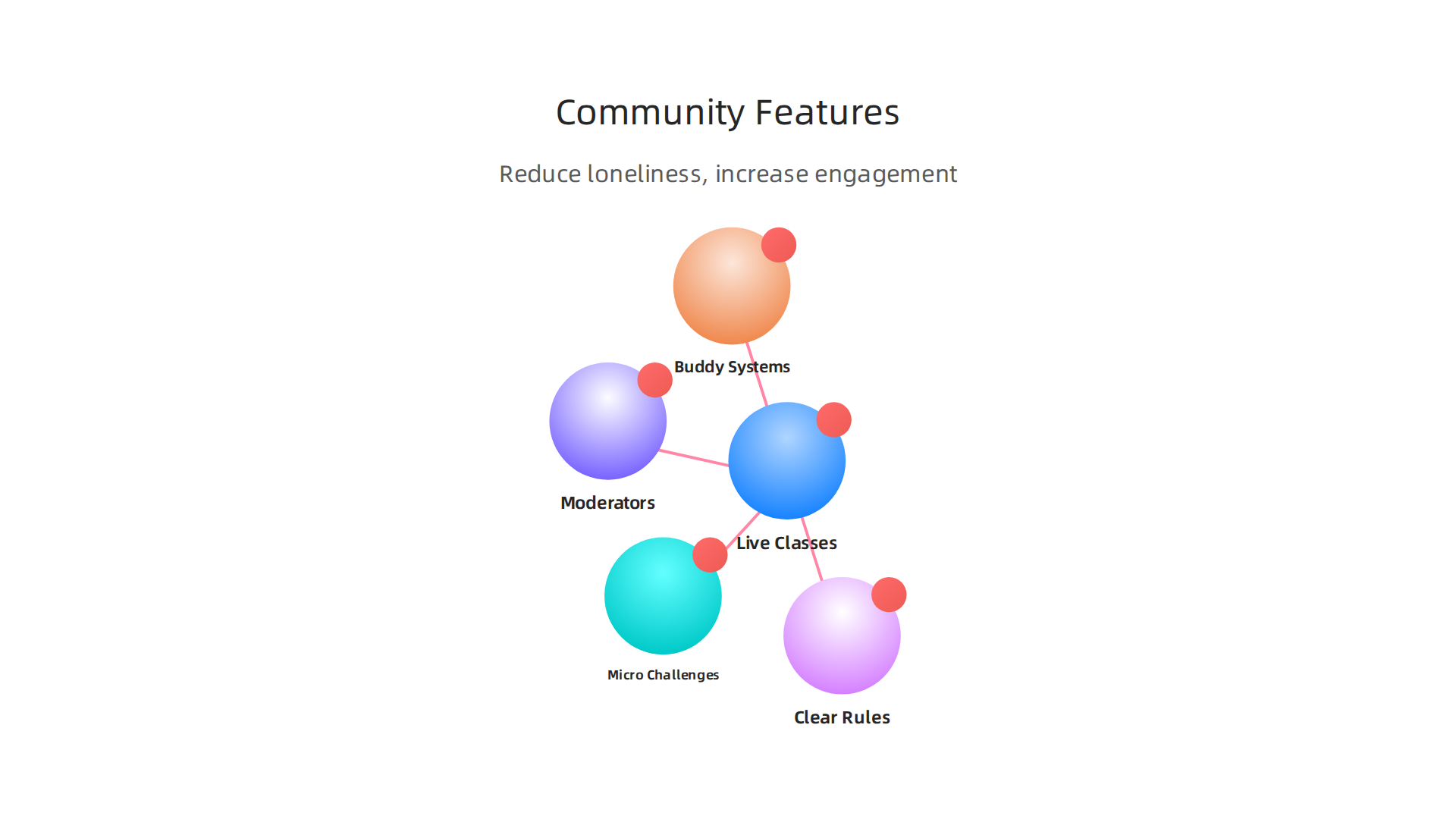
- Live classes and group activities: Many apps now offer live online classes or group workouts. This makes you feel like you’re part of something bigger, even if you’re exercising at home. Seeing other people work towards their goals can be very motivating, just like being in a real class.

- Micro-challenges: These are small, fun challenges you can do with friends or other app users. It might be a "30-day step challenge" or a "drink more water" game. These challenges often use gamification, adding points, badges, or leaderboards to make things exciting and keep you coming back Gamified Onboarding Tactics: Boost Retention 20%. Features like streaks and rewards help build good habits over time Health App Gamification Examples: 7 Real Implementations.
- Buddy systems and accountability partners: Some apps let you team up with a "buddy." You can share your progress, cheer each other on, and keep each other accountable. This kind of shared goal setting and peer support is a key feature in wellness apps in 2026 Essential Features Every Wellness App Needs in 2026. Seeing others achieve their wins also helps you try harder. This sense of belonging is much like what you find in real-life book clubs offer true connection.
Community features also include shared activity feeds and ways to easily share your progress. This makes it simple to stay connected and get support without a lot of effort Guide to Developing Community Features in Apps.
Keeping communities safe and supportive
For these communities to work well, they need to be safe and friendly. A strong app makes sure of this through good rules and people who help manage the group.
- Clear rules: Good apps have clear rules about what’s okay to post and what’s not. This stops bad comments and keeps the community positive.
- Moderators: These are people (or sometimes even other users) who help make sure everyone follows the rules. They step in if someone is being mean or unhelpful. This is really important for wellness content, which can be sensitive 5 Best In-App Community Platforms for Fitness & Wellness. These rules and moderation tools are often set up with the help of the users themselves co-produced moderation practices.
- A positive vibe: The goal is to create a place where everyone feels welcome and supported, not judged. This focus on support helps everyone feel good about their efforts, no matter where they are in their journey.
By offering great community features, a strong app can turn solo efforts into a shared adventure. This helps you stick with your goals, feel more connected, and have more fun along the way.
If you’re keen on exploring more about how shared experiences can boost your personal growth, why not Join The Newsletter for updates?
By offering great community features, a strong app can turn solo efforts into a shared adventure. This helps you stick with your goals, feel more connected, and have more fun along the way. But there’s more to keeping you going than just social circles. A truly strong app also helps you find your inner drive. It does this by making your journey fun and giving you ways to discover what works best for you.
Motivation, gamification, and experiments to build momentum
A top app understands that staying motivated is key to reaching any goal. It uses smart design tricks to keep you excited and engaged, helping you build momentum day after day.
Gamification patterns for small, repeatable wins
Gamification is all about making tasks feel like a game. This helps turn chores into fun activities. The best apps use simple game-like features that give you quick wins and keep you coming back.
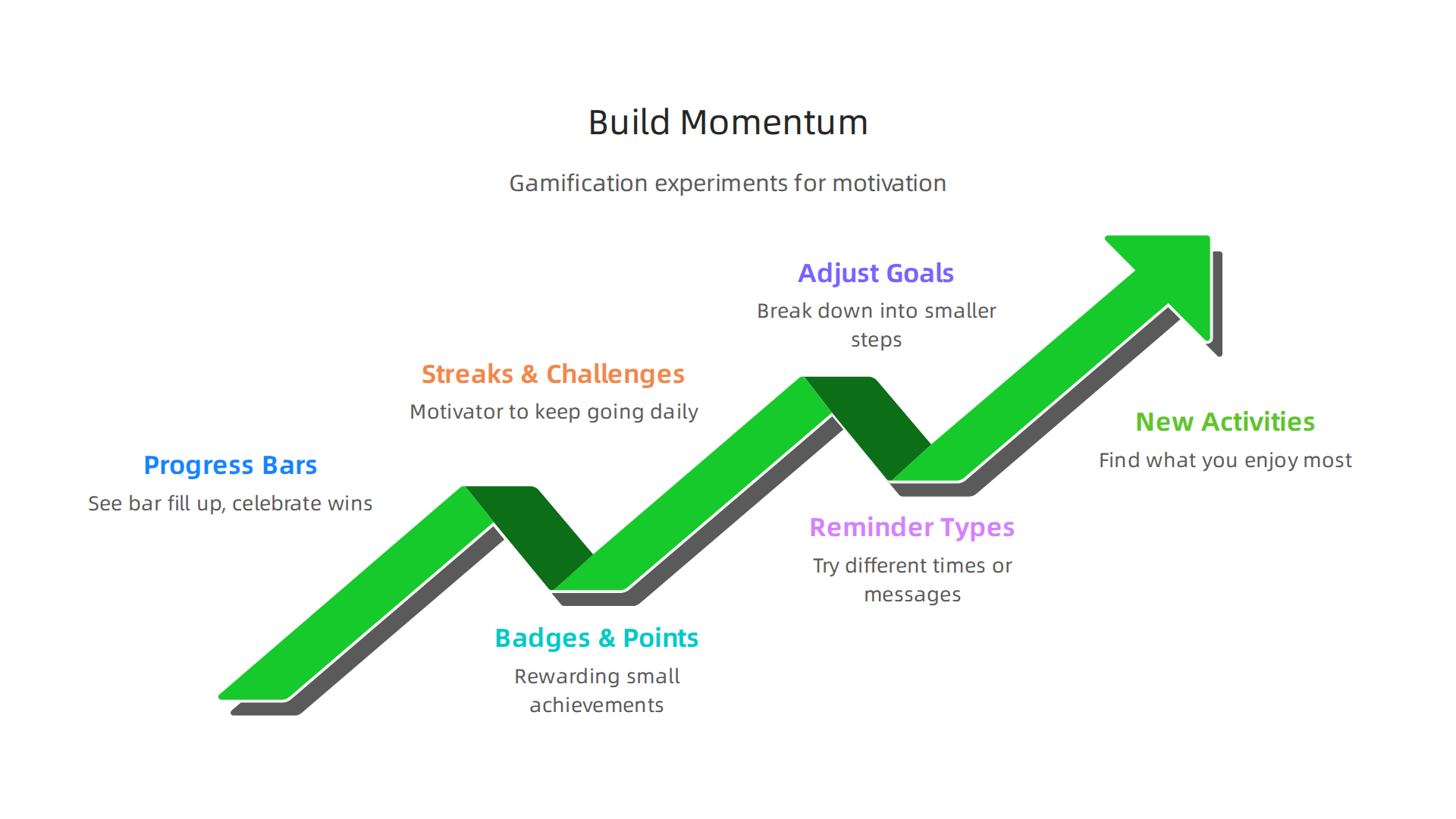
- Progress bars and milestones: Imagine seeing a bar fill up as you get closer to your goal. It feels good to see progress! Apps often use these to show how far you’ve come, like when you’re almost done with a workout series or a learning module. This makes sure you celebrate small wins, which can really boost your motivation.
- Badges and points: Getting a badge for "first workout" or points for tracking your food in a best calorie counter app can be super rewarding. These small rewards make you feel successful and encourage you to do more. Studies show that features like these, along with setting goals and getting feedback, help people stick with health apps Potential associations between behavior change techniques.
- Streaks and challenges: When you do something every day, like meditating or going for a walk, some apps track your "streak." Breaking a streak can be a big motivator to keep going. Many apps also offer fun challenges, like a "7-day healthy eating challenge," to make reaching your goals more interesting. These strategies can increase user engagement and retention Mastering Onboarding to Maximize Engagement. A strong app knows that giving users these kinds of achievements helps build good habits. If you like turning personal growth into play, exploring gamified self-improvement might be your next step.
Low-cost experiments to find your motivation
What motivates one person might not motivate another. That’s why a strong app also lets you try out different things to see what works best for you. These are like mini-experiments you run on yourself!
- Different types of reminders: Maybe you forget to drink water. A great app lets you try different reminder times or messages. Do you prefer a gentle nudge or a funny meme? You can test what helps you remember without feeling annoyed.
- Adjusting your goals: Sometimes a goal feels too big. A smart app lets you break it down into smaller, easier steps. For example, instead of running five miles, maybe you start with a 15-minute walk. This helps you get those "small wins" and build confidence. Taking small steps is also key for unlocking emotional wellness through self-care micro-habits.
- Trying new activities: Many health and wellness apps offer many different options. You might try yoga one week and strength training the next. This helps you find what you enjoy most, which makes you more likely to stick with it. Some studies show that apps with many behavioral change techniques can be more effective in helping people be active Apps to promote physical activity among adults: a review and content analysis.
A strong app doesn’t just tell you what to do; it gives you the tools to explore and find your own path to success.
By trying these small experiments, you learn more about yourself and what truly keeps you motivated.
Ready to put these ideas into action? It’s time to stop just thinking about it and start participating. Join An Experiment and turn your curiosity into real results.
A strong app does not just help you grow; it also keeps your personal information safe. It’s important to know what happens to your data when you use a health and wellness app. This means understanding privacy rules and when an app should tell you to see a doctor instead of giving medical advice itself.
Your data: What to check before you share
When you download a new app, it often asks for special permissions. These might be for your phone’s sensors, like telling where you are or how many steps you take. It could also ask for health data you put in, such as your sleep patterns or what you eat. A strong app will be very clear about why it needs this information.
Before you give an app access, always check its data policy. This is like a rulebook for how the app handles your private details. It should tell you:
- Who collects your data.
- How your data will be used.
- What information is being collected.
- If sharing your data is your choice or if it is required to use the app.
- How the app keeps your data secret and safe [Mobile Health and Fitness Applications and Information].
You should give clear permission, also called "explicit consent," before an app collects your health data. This means you fully understand and agree to how the app uses your information [mHealth Policy Actions – Public Health – European Commission]. In 2026, many laws, like the HIPAA Privacy Rule in the US, make sure that your medical records and personal health information are kept private and safe [The HIPAA Privacy Rule]. A good app takes steps to protect the personal information it gathers, stores, or shares, following laws and policies [A health app developer’s guide to law and policy].
When to talk to a doctor, not just an app
Apps are great tools to help you reach your goals, like working out or eating better. They can even offer general tips for a healthier mind. But here’s the thing: a strong app knows it is not a doctor. It should never try to give you medical advice or diagnose a health problem.
If you are feeling unwell, sad, or worried, an app can encourage you to seek professional help. For example, if you think you might have a mental health condition, an app might suggest getting a free online screening for depression and anxiety, but it won’t tell you what your diagnosis is [Mental Health America offers free online screenings for depression and anxiety]. For serious concerns, you should always talk to a real doctor or therapist. They can give you the right diagnosis and treatment plan. An app might help you track your mood or habits, but it’s important to remember that it cannot replace the advice of a trained medical expert. This is true for complex conditions like understanding different types of bipolar disorder symptoms, causes, and care, which truly require professional guidance [Identify the types of bipolar disorder symptoms, causes, and care].
For creators and brands, apps are not just tools for personal use. They are powerful ways to connect with people, spark new ideas, and make a real difference.

A strong app can help you bring your vision to life and build a loyal community.
How to design exciting in-app experiences
To truly engage your audience, think about how your app can bring people together and encourage them to act.
Here are some ideas:
- Build small communities: Inside your app, you can create special groups or "micro-communities." These allow users to connect, share goals, and even challenge each other. Features like shared goals and peer challenges are essential for building these groups [Essential Features Every Wellness App Needs in 2026]. For example, a group could work together on a "best calorie counter app" challenge. Making it easy for users to take part is key to designing good community features [Guide to Developing Community Features in Apps].
- Create fun challenges and experiments: Users love to participate. You can design in-app experiments where people try new habits or take part in fun campaigns. Using gamified self-improvement features, like earning badges or rewards for completing tasks, makes these activities more exciting [The Role of UGC in Enhancing User Experience for Health and]. You can also add streak systems that reward users for being consistent [Must-Have Features for Health & Wellness Apps in 2026]. This is how many successful wellness apps keep people coming back for more [How to Build a Market-Leading Wellness App in 2026].
- Keep things safe and positive: When building a community, it is super important to have rules and ways to check what people post. This is called moderation. For apps focused on wellness, moderation helps protect users, especially when talking about sensitive topics like body image or mental health [5 Best In-App Community Platforms for Fitness & Wellness …]. It is a good idea to plan your content moderation approach from the very start [How Do I Build a Community Feature That Keeps Users Engaged?].
If you are looking for ways to get people involved and make a difference, consider becoming part of a larger movement. Join An Experiment and turn your creative ideas into shared success.
Making money and knowing what to track
For creators and brands, a strong app can also be a way to grow your business. Many wellness creators use platforms to build their own apps without needing to code [Complete Guide to Building a Fitness App (2026)]. This allows them to offer training, nutrition programs, and more.
- How to earn money: Apps can make money in a few ways. Subscriptions, where users pay a regular fee, are very common for programs and coaching [Fitness App Development in 2026: Key Features, …]. You can also use a "freemium" model, where basic features are free but better ones cost money. In-app purchases (IAPs) for meal plans or workout packs, and even sponsored challenges, are other options [Health & Fitness App Monetization Strategies for 2026]. Some creators have seen big revenue growth using their own subscription apps [Case Study: How a Fitness Creator Launched a Subscription App to …].
- What to keep an eye on (KPIs): To know if your app is doing well, you need to track certain numbers. These are called Key Performance Indicators, or KPIs. Important KPIs include how much money your app makes each month and how many users keep coming back. Improving how many free trial users become paying customers can really boost monthly income [How Cal AI scaled paywall experimentation and grew monthly …].
- Growing smart and helping users: While making money is good, a truly strong app always puts user wellbeing first. It is about growing your business in a way that truly helps people feel better, not just about getting more users. Finding the right balance ensures your app has a lasting, positive impact.
To stay updated on new ways to build communities, find creator opportunities, and learn about partner news, make sure to Join The Newsletter.
Summary
This guide explains how to pick a strong fitness or wellness app that actually helps you change habits, stay connected, and protect your data. It covers the evidence-based features to look for—like goal-setting, feedback, nudges and micro-goals—plus UX elements that boost onboarding and long-term retention. You’ll learn which metrics matter (consistency and trends over flashy totals), how community features and gamification can reduce loneliness and increase engagement, and simple experiments to find what motivates you. The article also explains privacy checks to run before you share health data and when an app should prompt you to see a clinician. For creators, it outlines ways to build community, design safe social features, and monetize responsibly while tracking key performance indicators. After reading, you’ll be able to evaluate apps with a clear checklist and pick one that becomes a practical partner in your wellness journey.