
Why understanding bipolar disorder matters (and what this guide will do for you)
Learning about a health condition like bipolar disorder can feel scary, especially when there’s a lot of confusing information out there. Many people worry about what a diagnosis might mean for their life, or how others might see them. This fear can sometimes make people wait longer to get the help they need. Actually, getting clear, easy-to-understand information is one of the best ways to reduce worry, stop unfair judgments, and help people find support sooner. Knowing the facts helps you feel more in control.

In 2026, many people still face a mental health crisis, and understanding conditions like bipolar disorder is key to changing that. This guide is here to help you get a clear picture. We’ll explore the different types of bipolar disorder and what makes each one unique. We’ll look at the common patterns of symptoms, and how doctors use special guides like ICD-11 to understand and diagnose conditions. For example, the International Classification of Diseases 11th Revision (ICD-11) is a global standard that helps mental health experts accurately identify issues.
This guide will give you practical steps, from understanding treatment options to finding ways to manage your well-being every day. We’ll also talk about how communities, friends, and even online creators can play a big part in helping people live full lives with bipolar disorder. Our goal is to offer a balanced and helpful roadmap, so you or someone you care about can move forward with confidence and support.
If you’re looking for more ways to stay connected and get updates on mental wellness, creativity, and community projects, we invite you to Join The Newsletter.
Types of bipolar disorder: a clear, practical overview
When we talk about bipolar disorder, it’s important to know that it’s not a single condition. Instead, there are different types of bipolar disorder, each with its own special features. Think of it like different kinds of weather patterns, all related to storms but with different strengths and lengths. Mental health experts look closely at these differences to give the right diagnosis.
Here are the main types you should know about:
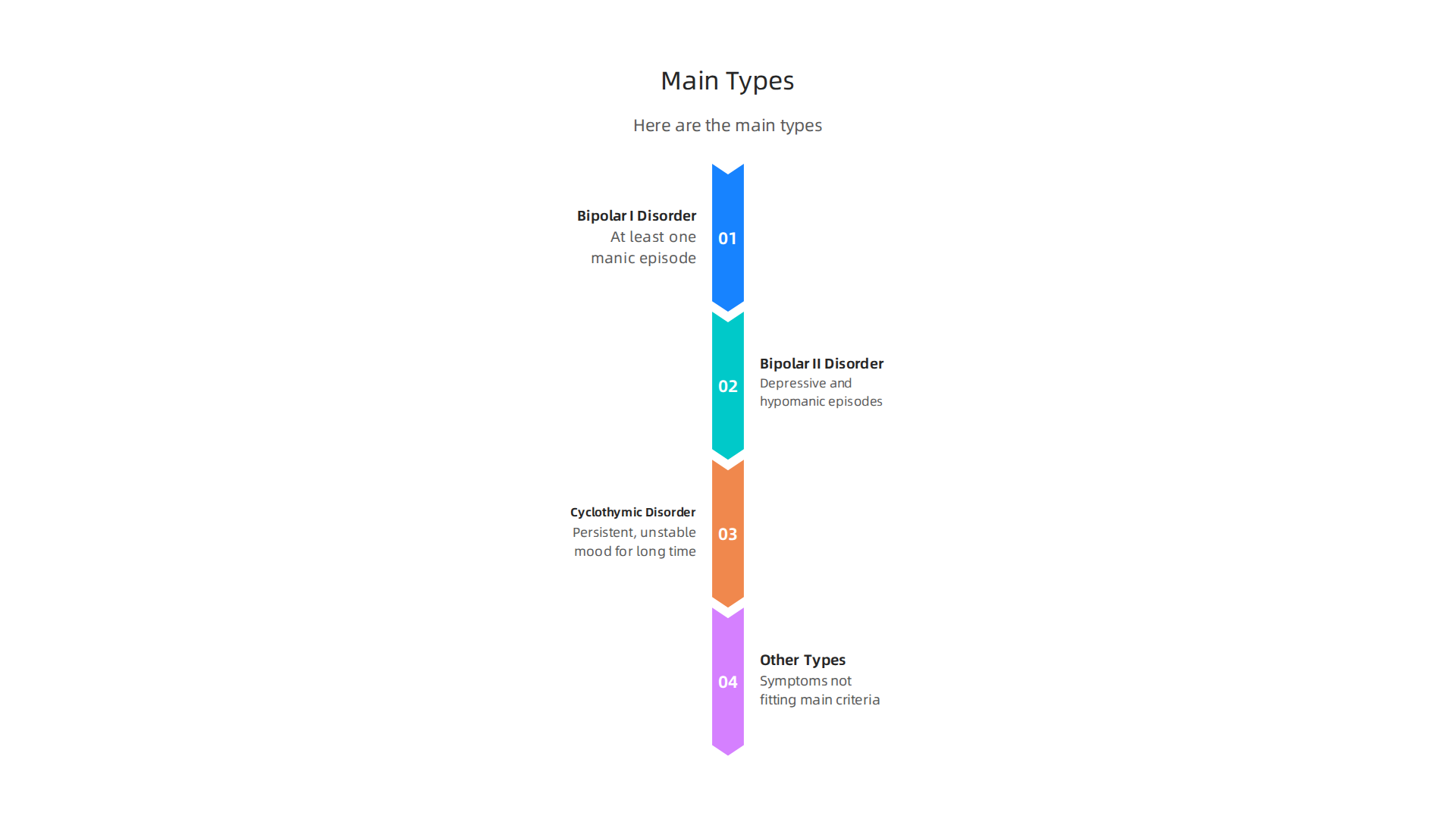
Bipolar I Disorder
This is often seen as the most serious form. Someone with Bipolar I Disorder has had at least one manic episode. A manic episode is a period where their mood is unusually high, overly excited, or very irritable. This feeling must last for at least a week and be present for most of the day, nearly every day. During this time, their energy might be super high, they might not need much sleep, talk very fast, or take on risky activities. These symptoms are usually so strong that they cause big problems in daily life, like at work or with friends, or may even need hospital care. According to the current standards, a single manic or mixed episode is enough for a diagnosis of Bipolar I Disorder, as noted in the Bipolar disorder in ICD-11 guidelines.
Bipolar II Disorder
With Bipolar II Disorder, a person experiences both depressive episodes and hypomanic episodes, but never a full manic episode like in Bipolar I.
- Depressive episodes are periods of feeling very sad, hopeless, or losing interest in almost everything for at least two weeks. These feelings are strong enough to affect daily life.
- Hypomanic episodes are like milder versions of manic episodes. The person might feel unusually energetic, happy, or irritable, but these changes are not as extreme and don’t last as long (usually at least four days). They often don’t cause as much trouble in daily life, and the person might not need hospital care. However, they are still a noticeable shift from the person’s normal self. Doctors distinguish this type by looking for at least one major depressive episode and one hypomanic episode, as described in the ICD-11 and DSM-5 criteria for bipolar disorders.
Cyclothymic Disorder
This type involves many periods of hypomanic symptoms and many periods of depressive symptoms over at least two years. The key difference here is that these mood swings are not as severe or as long-lasting as full hypomanic or major depressive episodes. They don’t meet the full criteria for Bipolar I or Bipolar II, but the mood changes are still ongoing and cause noticeable distress or problems. It’s a persistent, unstable mood for a long time. The ICD-11 criteria for Cyclothymic disorder outlines this need for persistent mood instability over a long period.
Other Types of Bipolar Disorder
Sometimes, a person might have symptoms that don’t quite fit into Bipolar I, Bipolar II, or Cyclothymic Disorder. These can be called "Other Specified" or "Unspecified" bipolar and related disorders. This might happen if symptoms are caused by certain medicines, other health conditions, or if the pattern of mood changes is simply different.
Mental health experts, like doctors and therapists, carefully look at the severity of symptoms, how long they last, and how much they affect a person’s life to tell these types apart. Understanding these differences is a big step in getting the right kind of help. It also helps in having better conversations around mental well-being and finding mental health synonyms that build connection and reduce stigma.
Symptoms and episode types: mania, hypomania, depression, and mixed states
Now that we know about the different types of bipolar disorder, let’s look closer at the actual feelings and behaviors that make up these conditions. These are called "episodes."
Understanding what each episode feels like can help people, and those around them, spot the signs and seek help. A mental health expert will look at how severe, how long-lasting, and how disruptive these symptoms are.
Manic Episode Symptoms
A manic episode is a time when a person’s mood is extremely high, joyful, or very irritable. This feeling is much more than just being in a good mood. It must last for at least one week, almost every day. Here’s what it might look like:
- Super High Energy: Feeling like they have endless energy, needing very little sleep but not feeling tired.
- Big Ideas: Thinking very quickly, having many ideas all at once, or feeling super important and powerful.
- Fast Talking: Talking very fast, jumping from one topic to another, and sometimes being hard to follow.
- Distracted Easily: Finding it hard to focus on one thing because everything else seems exciting.
- Risky Actions: Making sudden, unplanned, or risky choices, like spending too much money, driving fast, or engaging in behaviors that can cause problems later.
- Increased Activities: Taking on many new projects or activities at once, often more than they can finish.
These symptoms are very strong and usually cause big problems in a person’s daily life, sometimes even needing hospital care.
Hypomanic Episode Symptoms
Hypomania is like a milder version of a manic episode. The mood is still unusually high, happy, or irritable, but it’s not as extreme and doesn’t cause as much trouble. It must last for at least four days.
- Higher Energy, Less Sleep: Similar to mania, but less severe. The person feels energetic and needs less sleep but can still function fairly well.
- Feeling Good, Productive: They might feel unusually productive, creative, or charming.
- Fast Talk, But Clearer: Talking faster than usual, but usually easier to understand than in a manic episode.
- Noticeable Change: Friends and family might notice a clear change in behavior, but it’s not usually bad enough to need hospital care or cause big problems at work.
While less severe, hypomanic episodes are still a clear shift from a person’s normal self and are a key part of diagnosing certain types of bipolar disorder.
Depressive Episode Symptoms
These episodes are marked by feelings of deep sadness or loss of interest in nearly everything. These feelings must last for at least two weeks and be present for most of the day, almost every day. Sometimes people might even feel a constant low mood, similar to what’s found in a major depressive disorder ICD-10 diagnosis.
- Very Sad Mood: Feeling hopeless, empty, or crying a lot.
- Loss of Interest: Not enjoying things they once loved, like hobbies, friends, or family.
- Changes in Appetite/Weight: Eating much more or much less than usual, leading to weight gain or loss.
- Sleep Problems: Sleeping too much or not being able to sleep (insomnia).
- Tiredness: Feeling very tired and having no energy.
- Slowed Down: Moving or talking slower than usual, or feeling restless.
- Guilt or Worthlessness: Feeling bad about themselves, guilty for no clear reason, or worthless.
- Trouble Thinking: Finding it hard to think, focus, remember, or make decisions.
- Thoughts of Death: Having thoughts about death, dying, or hurting themselves.
These symptoms greatly affect a person’s daily life and can be very hard to live with.
Mixed Features (or Mixed States)
Sometimes, a person can have symptoms of both mania or hypomania and depression at the same time. This is called having "mixed features." For example, someone might feel very sad and hopeless (depressive symptoms) but also have a lot of energy and racing thoughts (manic symptoms). This can be a very tough experience, making a person feel wired and tired all at once.

When mania or hypomania includes at least three symptoms of depression, it can be described with a mixed-features specifier, according to some diagnostic guidelines Mixed Features Specifier. This mix of feelings can make a mental health crisis even more confusing and hard to handle. Treating these mixed states often means carefully managing both sets of symptoms Management of Bipolar Disorder (2023).
Why Severity, Duration, and Impact Matter
When doctors diagnose bipolar disorder, they pay close attention to:
- Severity: How strong are the symptoms? Are they mild, moderate, or very intense?
- Duration: How long do the symptoms last? Weeks, days, or just hours?
- Functional Decline: How much do these symptoms get in the way of a person’s life? Do they make it hard to go to work, school, or be with friends?
These details help a mental health expert understand which of the types of bipolar disorder a person might have and how urgent their treatment needs are. For example, severe symptoms that greatly affect daily life might suggest a more serious condition like Bipolar I Disorder and require immediate help. Knowing these differences helps tailor the right support and care, leading to better emotional wellness. If you are struggling with emotional well-being, exploring resources like unlock emotional wellness through self-care micro habits can provide helpful starting points. Getting help for symptoms of depression or anxiety can start with easily accessible tools such as free online screenings for depression and anxiety.
Understanding the different types of bipolar disorder and how their symptoms show up is a big first step. Now, let’s look at why someone might get bipolar disorder and what a person’s journey with it might look like over time.
Causes, risk factors, and the course of bipolar disorder
Bipolar disorder does not have one simple cause. Instead, it’s thought to come from a mix of different things working together.
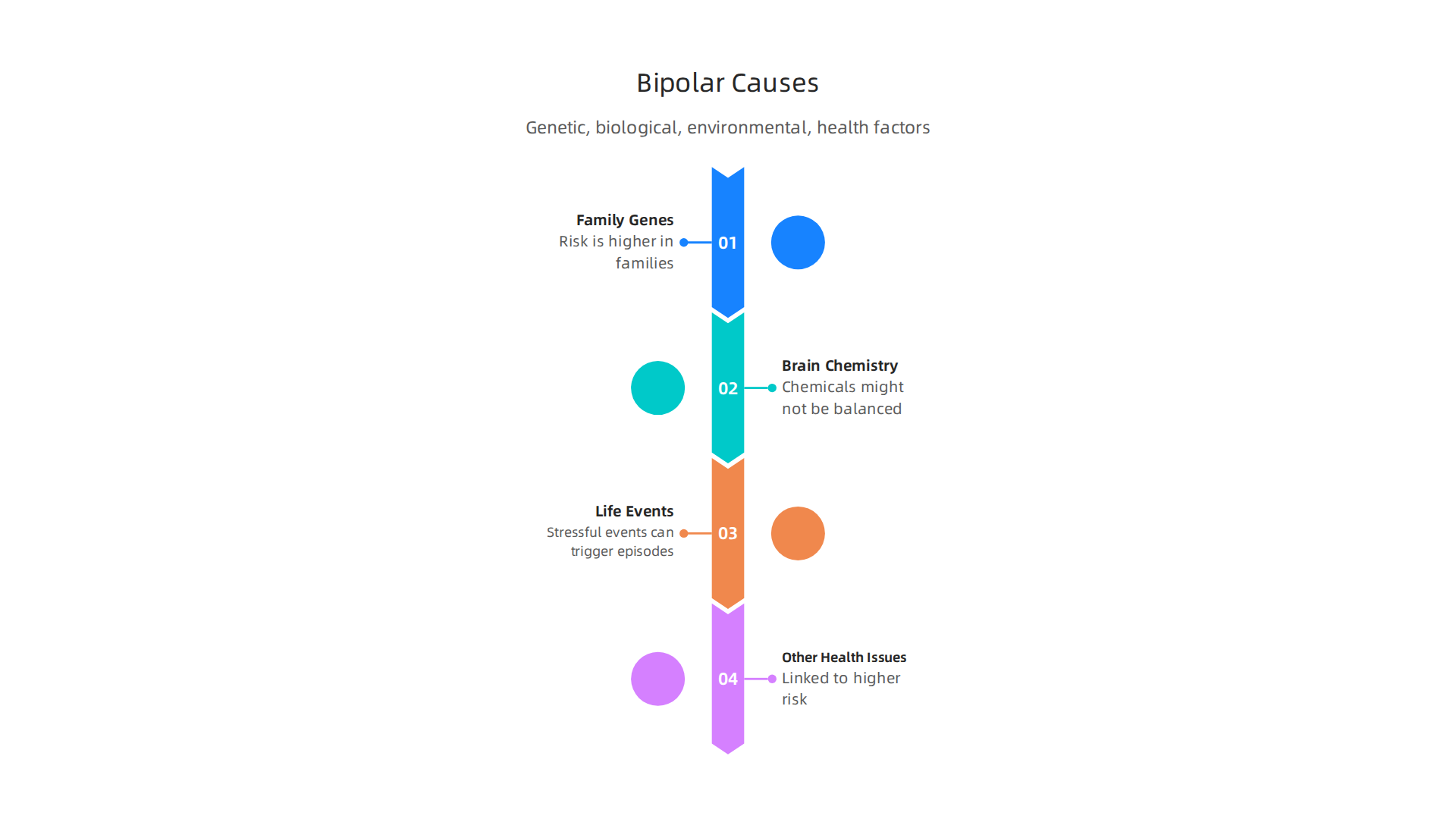
Thinking about these helps us understand this complex condition better.
What Causes Bipolar Disorder?
Think of it like a puzzle with many pieces:
- Family Genes: If someone in your family has bipolar disorder, you might be more likely to get it. This means genes play a role. It’s not a guarantee, but the risk is higher.
- Brain Chemistry: Our brains use chemicals to send messages. In people with bipolar disorder, these chemicals, called neurotransmitters, might not be balanced right. This can affect mood, energy, and thinking.
- Life Events: Stressful or traumatic life events can sometimes trigger bipolar episodes in people who are already at risk. This could be things like a big loss, a major life change, or ongoing stress.
- Other Health Issues: Some health problems have been linked to a higher risk for bipolar disorder. For example, some studies suggest a link with conditions like irritable bowel syndrome (IBS), asthma, and obesity an umbrella review of systematic reviews and meta-analyses. Childhood experiences, like difficult times when young, can also be a risk factor Specificity of environmental risk factors for schizophrenia….
It’s important to remember that having one of these risk factors does not mean someone will definitely get bipolar disorder. It just means the chance might be a bit higher.
How Bipolar Disorder Usually Progresses
Bipolar disorder often begins when people are young adults.
- Typical Onset Age: For many, the first signs appear in their early 20s. For example, Bipolar I Disorder often starts around 22 years old, while Bipolar II Disorder might show up closer to 28 years old Bipolar Disorder Statistics | 2026 Edition. Sometimes it can start earlier in childhood or even later in life, though this is less common.
- A Lifelong Journey: Bipolar disorder is usually a long-lasting, or chronic, condition. This means people will likely need to manage it throughout their lives, often with the help of a mental health expert.
- Ups and Downs: The course of the illness involves periods of mood episodes (mania, hypomania, depression, or mixed states), followed by times when mood is more stable.
- Risk of Relapse: Even with treatment, there can be times when symptoms come back. This is called a relapse. Things that can make a relapse more likely include:
- Stopping medication or not taking it as prescribed.
- High stress levels.
- Lack of sleep.
- Using alcohol or drugs.
- Not having enough support from friends or family.
Getting proper treatment, learning coping skills, and having a good support system are very important for managing the condition and reducing the chances of a relapse. Focusing on positive actions for your well-being can be a good step, and there are even ways to make self-improvement more fun through gamified self-improvement.
Getting the right diagnosis for bipolar disorder is a very important step. It’s not something you can figure out on your own. Instead, a trained mental health expert needs to carefully look at all your symptoms and your life story. This process often involves a few steps to make sure the diagnosis is correct.
Common Screening Tools and Diagnostic Interviews
When you first talk to a doctor or a mental health expert about your moods, they might use some special tools.

These tools are like first checks to see if bipolar disorder could be a possibility. They are not a final diagnosis but help guide the conversation.
- Screening Questionnaires: These are often short lists of questions you answer. Some common ones include the Mood Disorder Questionnaire (MDQ), the Hypomania Checklist (HCL-32), and the Bipolar Spectrum Diagnostic Scale (BSDS) Bipolar Assessment Questionnaires: Screening, Diagnosis, and …. They ask about your mood swings, energy levels, and sleep patterns. While helpful, these questionnaires need to be followed up with more in-depth talks Treatment / Management. One tool, the Rapid Mood Screener (RMS), can even help tell the difference between bipolar 1 and a major depressive disorder Mood Disorders and Rapid Screening: A Brief Review.
- Diagnostic Interviews: After screening, a doctor will do a more detailed talk, called a diagnostic interview. These are like a thorough conversation where the expert asks many questions about your medical history, family health, and how your symptoms affect your daily life. They follow special guidelines, like those in the DSM-5 (Diagnostic and Statistical Manual of Mental Disorders) or ICD-10 (International Classification of Diseases). Some important structured interviews used by doctors include the Structured Clinical Interview for DSM (SCID) and the Mini-International Neuropsychiatric Interview (M.I.N.I.) Which bipolar screening instruments should I use in my practice and …. These interviews are very important because they help the expert understand the full picture of your
types of bipolar disordersymptoms and how they show up.
Ruling Out Other Conditions: Differential Diagnosis
One of the hardest parts of diagnosing bipolar disorder is making sure it’s not something else. This is called "differential diagnosis." Many other conditions can have symptoms that look a lot like bipolar disorder. A skilled mental health expert will carefully consider these other possibilities:
- Major Depressive Disorder: Sometimes called unipolar depression, this is when someone only experiences low moods, not the high, manic, or hypomanic periods seen in bipolar disorder. It’s crucial to tell the difference because the treatments are different. An accurate diagnosis means looking at the full history of symptoms over time Diagnosis of bipolar disorder and differential diagnosis from … – JKMA. If only low moods are present, a
major depressive disorder icd 10diagnosis might be considered. - Personality Disorders: Conditions like Borderline Personality Disorder can also involve strong mood swings and impulsive behavior, which can be confused with bipolar disorder. However, the reasons behind these mood changes are often different. Learning about other conditions, such as
dissociative identity disorder symptoms causes and differences from borderline personality disorder, can help understand why this distinction is so important. - Anxiety Disorders: While anxiety often happens alongside bipolar disorder, it’s usually not the main problem. The core issue in bipolar disorder is the extreme mood shifts.
- Substance-Induced Mood Disorder: Using alcohol or drugs can cause mood changes that mimic bipolar episodes. Doctors will always ask about substance use to rule this out.
- Medical Conditions: Certain physical health problems or medications can also affect mood. A doctor will check for these before making a bipolar diagnosis.
Because many conditions can look similar, it’s very important that a mental health expert takes their time to gather all the information. This careful process helps ensure that you get the most accurate diagnosis and the right treatment plan to help you feel better.
After a mental health expert carefully diagnoses a person with bipolar disorder, the next crucial step is to start treatment. Getting the right treatment can make a huge difference in managing the condition and living a full life. Most treatment plans combine different methods to help people feel better and stay well.
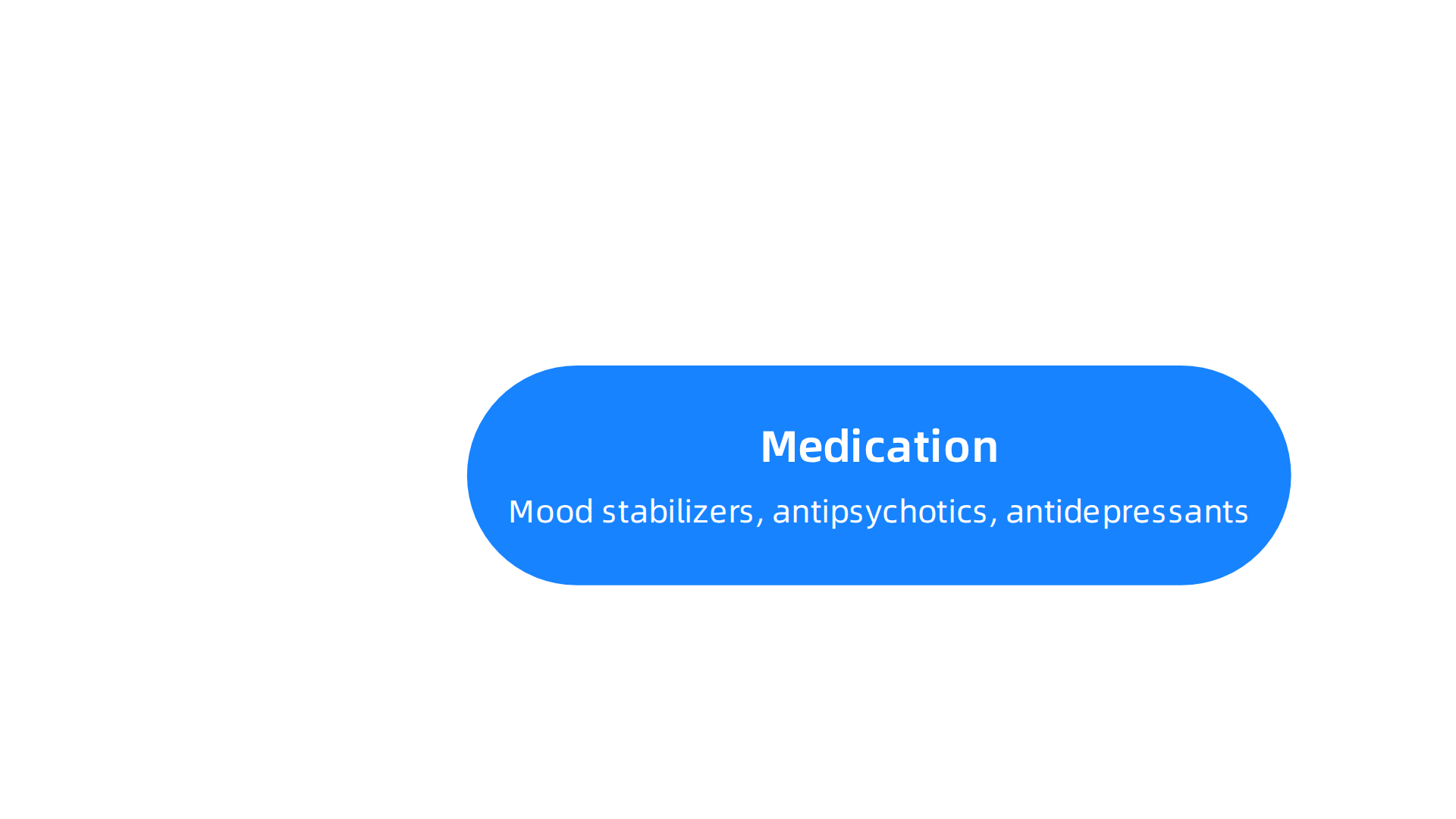
Medication: A Foundation for Stability
Medications are often the first and most important part of treating bipolar disorder. They help balance brain chemicals to control mood swings. What a doctor prescribes depends on the specific types of bipolar disorder a person has and what symptoms they are experiencing at the time.
- Mood Stabilizers: These are the main kind of medicine for bipolar disorder. They help prevent both extreme high (manic or hypomanic) and low (depressive) moods. Common examples include lithium and certain anticonvulsant medicines like valproate. These medications are used over a long time to keep moods stable.
- Antipsychotics: Sometimes, doctors use these medicines to help with manic episodes, severe depression, or if a person has psychotic symptoms like hallucinations. Some antipsychotics, like quetiapine, lurasidone, and cariprazine, are very helpful for treating bipolar depression specifically Best Treatments for BD: Current Evidence, New Online Tool. Research shows that medicines like olanzapine plus fluoxetine, quetiapine, lurasidone, lumateperone, cariprazine, and lamotrigine are effective for bipolar depression Treatment of bipolar depression: results from a comprehensive network meta-analysis and updated systematic review. Other effective options for adults include divalproex, valproate, and even ketamine as an add-on treatment Evidence based interventions for bipolar disorder across ….
- Antidepressants: These are used with great care and usually alongside a mood stabilizer. Using antidepressants alone for bipolar disorder can sometimes trigger a manic episode.
A mental health expert will work closely with you to find the right medication and dose, watching carefully for side effects and how well it’s working.
Psychotherapy: Learning to Manage Your Moods
While medicine helps balance brain chemistry, psychotherapy helps people learn how to live with bipolar disorder. It’s like having a guide to understand your thoughts, feelings, and behaviors. Therapy can teach valuable skills to manage symptoms, cope with stress, and improve relationships.
Some types of therapy that are very helpful for bipolar disorder include:
- Psychoeducation: This involves learning all about bipolar disorder. Understanding your condition, its symptoms, and how treatments work is a powerful tool for managing it.
- Cognitive Behavioral Therapy (CBT): CBT helps you identify and change negative thought patterns and behaviors that can make mood swings worse.
- Family-Focused Therapy (FFT): This therapy involves family members to help them understand bipolar disorder and how to best support their loved one.
- Interpersonal and Social Rhythm Therapy (IPSRT): This approach focuses on stabilizing daily routines and sleep schedules, which can greatly help in managing mood episodes.
These therapies have strong evidence showing they can help people with bipolar disorder Evidence-Based Psychotherapies for Bipolar Disorder. They help you develop self-care strategies and improve overall emotional well-being. For more ideas on how to build positive routines, explore how to Unlock Emotional Wellness Through Self-Care Micro-Habits.
Neuromodulation: When Other Treatments Aren’t Enough
For some people, standard medications and therapy might not be enough, especially during a severe mental health crisis. In these cases, other treatments called neuromodulation might be considered.
- Electroconvulsive Therapy (ECT): ECT is a very effective treatment for severe bipolar depression or mania, especially when there’s a risk of suicide, severe psychosis, or when other treatments haven’t worked Bipolar depression: a review of treatment options. It works by sending small electric currents through the brain to trigger a brief seizure, which can quickly improve mood. Many studies suggest ECT is highly effective for bipolar depression Brain stimulation treatment for bipolar disorder.
- Transcranial Magnetic Stimulation (TMS): TMS uses magnetic fields to stimulate nerve cells in the brain. It’s often used for bipolar depression when other treatments haven’t helped enough Bridging the Poles: What the Transcranial Magnetic Stimulation …. TMS is considered safe and can lead to a significant improvement in symptoms for many people Transcranial Magnetic Stimulation (TMS) as a … – BCBSKS.com.
Finding the right treatment plan for bipolar disorder is a journey. It often means trying different combinations of medications and therapies, and sometimes including neuromodulation. The goal is always to find what helps you achieve the best possible quality of life.
Ready to take a step towards positive change and connection? Join others in exploring new ways to boost your well-being. Join An Experiment
Living well with bipolar disorder means more than just taking medicine or going to therapy. It also involves learning how to manage your daily life and prepare for challenges. This kind of daily self-care helps you stay stable and reduce the chances of mood swings.
Daily Management, Relapse Prevention, and Crisis Planning
To truly live well with bipolar disorder, you need to build good habits and know what to do if things get tough. This includes managing your daily life, learning how to stop problems before they get big, and having a plan for emergencies.
Practical Self-Management Strategies
Building a stable daily life is key for managing bipolar disorder. These strategies help keep your moods steady:

- Consistent Sleep: Getting enough sleep at the same time each night is super important. Try to go to bed and wake up at consistent times, even on weekends. Avoiding caffeine or screens before bed can help you sleep better How to create a healthy routine with bipolar disorder. Sleep changes can be an early sign of a mood shift, so paying attention to your sleep helps you stay on track. Many people find aiming for eight hours of sleep helpful Effective self-management strategies for bipolar disorder.
- Establishing Routines: Having a clear daily schedule for meals, exercise, and other activities helps a lot. Routine gives your day structure and can prevent mood swings. Even small steps, like setting a schedule, can help control your mood Living a Healthy Life With Bipolar Disorder.
- Mood Monitoring: Keep track of your moods every day. Notice what makes your mood better or worse. This helps you spot early warning signs of a mood episode. You can use a notebook or a special app for this. Knowing your triggers and warning signs is a big part of managing your condition Bipolar Disorder Self-Help Resources.
- Medication Adherence: It’s vital to take your medicine exactly as your doctor tells you. Don’t skip doses or stop taking it without talking to your
mental health expert. Taking medication consistently helps keep your brain chemistry balanced and your moods stable Living with Bipolar Disorder: 7 Key Coping Skills. - Psychoeducation: This means continuing to learn about bipolar disorder. The more you know about your specific
types of bipolar disorder, its symptoms, and your treatment plan, the better equipped you’ll be to manage it. - Healthy Lifestyle: Eating well, exercising regularly, and finding ways to handle stress (like deep breathing or yoga) all play a role in your overall well-being. For ideas on creating simple self-care habits, consider how to Turn Personal Growth Into Play.
Relapse Prevention
Relapse prevention is about recognizing the first signs that a mood swing might be starting and taking action quickly.
- Identify Warning Signs: Everyone’s warning signs are a little different, but they might include changes in sleep, energy levels, appetite, or how quickly you talk. Keeping a mood diary can help you learn your own unique signs.
- Develop an Action Plan: When you notice warning signs, have a plan for what you’ll do. This might involve calling your therapist, increasing self-care, reducing stress, or telling a trusted family member or friend.
- Build a Support System: Make sure you have people you trust who can help you. This could be family, friends, or a support group. They can help you notice changes and follow your plan.
Crisis Planning
Sometimes, despite your best efforts, a mental health crisis can happen. Having a crisis plan helps you and your loved ones know exactly what to do.
A crisis plan should include:
- Emergency Contacts: List your doctor, therapist, and any other mental health professionals, along with their phone numbers.
- Trusted Support People: List family or friends you want contacted, who know about your condition and how to help.
- Medication Information: Include the names and dosages of your medications.
- Early Warning Signs: A reminder of what your personal early warning signs look like.
- What Helps and What Doesn’t: A list of things that usually help calm you down and things that make you feel worse.
- Hospital Preferences: If a hospital stay is needed, note your preferences for hospitals or doctors if you have them.
When to seek urgent help:
You should seek urgent help if you are having thoughts of harming yourself or others, experiencing severe mania or depression (like not being able to function), or if you are having psychotic symptoms like hallucinations. Don’t wait if you feel overwhelmed or unsafe. Reach out to an emergency service, your local crisis line, or go to the nearest emergency room.
Tips for Supporters and Family:
If you are supporting someone with bipolar disorder, understand their crisis plan. Know their emergency contacts and what their warning signs are. Learning about types of bipolar disorder can help you be a better support. Encourage them to stick to their routines and take their medication. Most importantly, listen without judgment and help them get professional help when needed.
After learning how to manage bipolar disorder in your daily life and plan for tough times, it’s also helpful to think about how we can all support each other. This is especially true for people who create online content, run brands, or lead groups. They have a big chance to make digital spaces safe and helpful for everyone, including those dealing with mood changes.
Supporting People and Building Safe Communities: Guidance for Creators, Brands, and Peers
Online spaces can be great for sharing and connecting. But for someone with a mood condition like bipolar disorder, these spaces need to be designed with care. As creators, brand owners, or community leaders, you can build places online that help people feel better, not worse. This means thinking about the content you share, how you guide people to help, and ways to make sure no one gets hurt while connecting.
Making Content Helpful and Safe
When you create content or build an online community, here are some good rules to follow:
- Be Gentle with Stimulation: Try not to create content that is too loud, too bright, or too fast. Too much excitement can sometimes be hard for people with mood instability to handle How to Practice Self-Care with Bipolar Disorder. Think about calm colors and clear messages.
- Share Positive Habits: Encourage healthy routines like good sleep and regular activity. For example, reminding people about the importance of consistent daily habits can be very supportive Self-management for bipolar disorder.
- Avoid Drama: Try not to focus on shocking or upsetting things just for clicks. Instead, aim for content that lifts people up and helps them learn.
- Encourage Connection: Create ways for people to talk to each other kindly and share their experiences. This helps build a true community where people feel like they belong.
Guiding to Real Help
It’s super important to know when to suggest professional help and how to do it.
- Offer Clear Resources: Always have easy-to-find links to places where people can get real help. This could be crisis lines, mental health organizations, or places where they can find a
mental health expert. Knowing where to go if someone is having amental health crisisis very important. - Suggest Screenings: For someone feeling down, linking to free online screenings can be a gentle first step. These can help people understand if they might be dealing with something like
major depressive disorder icd 10or other conditions. You can find resources like those offered by Mental Health America offers free online screenings for depression and anxiety. - Talk About Different Conditions: Show that you understand there are many
types of bipolar disorderand other mental health challenges. This makes people feel seen and less alone.
Building Meaningful Engagement
To truly support people, you want them to feel like active parts of your community, not just viewers.
- Focus on Participation: Design your online spaces so people can easily get involved. This might mean simple challenges, creative prompts, or ways for them to share their own thoughts and creations. When people participate, it helps turn feelings of loneliness or self-doubt into positive actions and recognition.
- Create Shared Journeys: Instead of just putting content out there, invite people to join in a story or an experience. This makes the digital space feel more like a real journey they are part of.
By following these ideas, creators and brands can help build digital worlds that are not just fun but also deeply supportive and beneficial for everyone’s well-being in 2026. For those looking to connect with a wider audience and enhance their brand’s impact, exploring the best websites for creators build community and monetize work in 2026 can offer valuable insights.
Want to be part of a community that turns curiosity into action?
To stay updated on new ways to engage and find more resources for creators and individuals alike:
Summary
This guide explains bipolar disorder in clear, practical terms so you can recognize symptoms, understand what causes it, and find the right help. It covers the main types — Bipolar I, Bipolar II, cyclothymic, and other specified forms — then breaks down episode types like mania, hypomania, depression, and mixed states. You’ll learn how clinicians screen and diagnose bipolar disorder, what can look similar (differential diagnosis), and which treatments are evidence-based, from mood stabilizers and psychotherapy to neuromodulation when needed. The article also gives everyday self-management tips, relapse-prevention strategies, and step-by-step crisis planning. Finally, it offers guidance for families, creators, and community leaders on how to build safer, more supportive spaces. After reading, you should be better able to spot warning signs, start conversations with a mental health expert, and use practical tools to manage or support someone with bipolar disorder.