Why ‘The Road’ still matters a promise for readers and creators
Some books stay with us long after we turn the last page. Cormac McCarthy’s "The Road book" is one of them. It tells a powerful story that makes you think deeply about courage, love, and what it means to be human even in the darkest times. People keep coming back to "the road book" because its message about hope and connection feels so real. It’s a book that truly resonates, making you feel things deeply and sparking important thoughts.
But in 2026, many of us feel lost in a world full of digital noise. We scroll through endless feeds, looking for something real, something that truly connects with us.

It’s hard to find books or reading experiences that really stick, especially when there are so many things trying to get our attention. This isn’t just a problem for everyday book readers; creators also struggle to make things that truly stand out and build a community. Finding deep, meaningful reading can feel like a big challenge when we spend so much time just looking at screens. For example, many groups are trying to fix this by building reading communities, helping people find shared joy in books and challenges "Reading Alone Is Boring!" Korea Is Now in the Middle of a ‘Participatory Reading’ Challenge.
This is why we need books that make us think and feel, and also ways to share those thoughts with others. Imagine turning those feelings of being alone or unsure into laughter and real action. Our world of "The Ridiculous" tries to do just that, using stories and fun challenges to help people connect and create. We believe that reading should be an active, joyful experience, not just something you do by yourself. You can learn more about finding powerful ways to read and think with articles like Unlock Your Deeper Reading Experience.
This article will show you how "the road book" continues to offer important lessons for both readers and creators today. We will look closely at its main ideas, smart ways to read it, and other books that go well with it. We’ll also share helpful tools for talking about books and fun community experiments you can try right away. You’ll learn how to make reading a more active and connected part of your life.
Want to stay in the loop about new books, fun challenges, and chances to create? Join The Newsletter for updates.
Ready to move beyond just reading and take part in something new and exciting? Join An Experiment and turn your curiosity into action.
Core themes in The Road: survival, love, and narrative restraint
Cormac McCarthy’s "the road book" is a story that stays with you because it touches on very deep ideas. It shows us how people act when everything around them falls apart. The main ideas in this book are about staying alive, the strong love between a father and son, and how the simple way the story is told makes it even more powerful. These ideas work together to make a story that feels very real and important, especially for us today in 2026.
The never-ending fight to survive
In "the road book," simply staying alive is the biggest challenge for the father and son. They must find food, shelter, and avoid danger every single day. This constant struggle for survival is not just about their bodies; it’s also about keeping their minds strong. The book shows how even when the world is gone, the fight to live goes on The Road Themes.

This part of the story makes us think about what we would do to survive in tough times. For those interested in other tales of struggle, there are many Books like The Running Man: 9 Thrilling Dystopian Survival Novels to explore.
The quiet power of love
Even in a world full of darkness, love shines through in "the road book." The father’s love for his son is what keeps them going. He protects the boy, teaches him, and makes sure they "carry the fire" of kindness and hope. This special bond is the heart of the story and shows that love can help us hold onto what makes us human, even when everything else is lost. The boy himself is often seen as a symbol of hope for a better future, guiding his father in ways big and small Literary Analysis of The Road by Cormac McCarthy.
Simple words, big feelings
What makes "the road book" so special is how Cormac McCarthy writes it. He uses very few words and keeps the sentences simple. This style, called minimalism, makes the story feel very raw and real. There are not many fancy descriptions, so you feel the characters’ fear, love, and sadness much more deeply. This simple way of telling the story makes the big emotions hit harder, without a lot of extra words getting in the way Minimalism And Sparse: Prose As A Narrative Technique Of The Road. It’s a style that makes every single word count.
What "The Road" means for us now
In 2026, many of us worry about our world, from loneliness to big problems like climate change. "The Road book" speaks to these fears. It helps us think about:
- Isolation: The characters are often alone, which reminds us of how many people feel disconnected today.
- Climate worries: The ruined world in the book feels like a warning about what can happen to our environment Environmental Degradation and its Metaphors in Cormac McCarthy’s The Road.
- Resilience: The story shows how humans can keep going, even when things are incredibly tough. It’s about finding strength in ourselves and in each other.
"The Road" is more than just a bleak story; it’s a deep look at what it means to keep hope alive, love fiercely, and face a harsh world with courage. It helps every book reader think about their own strength and what truly matters. If you’re looking to dive deeper into reflective reads, consider books that offer a Guide to Self-Discovery.
Want to stay in the loop about new books, fun challenges, and chances to create? Join The Newsletter for updates.
In the last section, we talked about the big ideas in "the road book" like survival and love. Now, let’s look at how Cormac McCarthy built this story. It’s not just what he says, but how he says it that makes the book so powerful and memorable for any book reader. We will explore the simple plot, the special way characters talk, and the strong pictures he creates with words.
The plot: short and to the point
"The Road" tells its story in a very lean way. The plot moves forward without many extra details or side stories. It’s like a fast road trip where you only see the most important signs. McCarthy uses what we call "plot economy." This means every event that happens is important for the main journey of the father and son. Time in the book often jumps ahead, showing us only the key moments of their endless journey. This "chronological compression" makes you feel the urgency and the constant danger they face every single day. The story focuses on their struggle for survival, highlighting their main goal in a bleak world Analysis of The Road. To understand more about how stories are built, you might want to learn about 10 Story Elements Every Novel and Short Story Needs.
The voice: quiet talks and hidden meanings
The way "the road book" is written is very distinct. The narrator’s voice is simple and direct, almost like a quiet observer. There’s not a lot of fancy language, which makes the harsh world feel even more real. When characters speak, their dialogue is very sparse. People don’t say much, and their conversations are short. This style creates a feeling of closeness between the father and son. But it also leaves many things unsaid or unclear, which is called "ambiguity." For example, the characters often don’t have names, making them feel like they could be anyone, anywhere. McCarthy’s use of simple words and not much punctuation makes the writing style very unique The Road’s Spartan Syntax. This helps you feel the emotions more strongly because there’s less getting in the way.
Pictures in your mind: symbols and repeated images
Even with simple words, Cormac McCarthy creates very strong pictures in your mind. This is called imagery. You can almost feel the ash, see the gray skies, and shiver in the cold as you read. Beyond just pictures, the book also uses "motifs," which are ideas or symbols that show up again and again. For example, the road itself is a motif, representing their journey and the unknown future. Fire is another strong motif, symbolizing hope and the good things they carry inside. The boy is often seen as a symbol of future hope, a constant motif that drives the father forward Cormac McCarthy The Road Research Papers. These repeated images and symbols help build the emotional power of the story. They remind you of the bigger fight between life and death, and hope and despair, even when the daily plot is just about finding the next meal. The careful design of "the road book" is what makes its quiet story so loud in our minds, helping us think deeply about its messages.

If you enjoy reflecting on unique writing styles and narratives, diving into Open Book Thinking can enhance your understanding.
After exploring how Cormac McCarthy built "the road book" with its simple plot, quiet talks, and strong pictures, let’s now think about how you can use such a powerful story for your own growth. Reading a tough book like this can do more than just entertain; it can help you grow as a person. This way of using books is actually a special method called "bibliotherapy."
Guided Reading for Tough Stories
Reading books that explore hard topics, like the bleak world of "the road book," can sometimes feel heavy. But it can also be a path to emotional and personal growth. Bibliotherapy is about using books to understand yourself better and deal with difficult feelings. It’s like books become a helper for your mind Bibliotherapy: What It Is, How It Helps, and More.
Studies in 2026 show that this practice can help people with stress, sadness, and even how they see themselves Bibliotherapy and mental health: literature as a mediator of ….
Here’s how a book reader can approach stories like "the road book" to make them a growing experience:
- Go Slow: Don’t rush through sad or scary parts. Give yourself time to feel what the book makes you feel.
- Notice Your Feelings: When you read about the father and son’s struggle, what emotions come up for you? Are you scared, sad, or hopeful? Knowing your feelings is the first step.
- Connect to Your Life: Think about how the characters’ challenges or hopes might connect to things in your own life. Even if your world isn’t like theirs, the feelings can be similar. For example, some people find that reading helps them re-think their own lives and find new meaning Bibliotherapy as a Non-pharmaceutical Intervention to ….
- Take Breaks: It’s okay to put the book down for a bit. Especially with a deep story, taking breaks can help you think and process what you’ve read. If you’re looking for more dark and challenging reads, you might enjoy exploring books like The Maze Runner.
Writing Down Your Thoughts: Reflection and Journaling
To truly learn from a book, you need to think about it deeply. Journaling is a great way to do this. After reading a chapter or a moving passage from "the road book," take a moment to write down your thoughts.
Here are some ideas for what to write:
- What surprised you?
- What made you feel strong emotions (good or bad)?
- Which character did you connect with the most, and why?
- What new ideas did you get about survival, hope, or love from the story?
- If you could ask the father or son one question, what would it be?
This kind of reflection can help you understand the story, and yourself, on a deeper level. It helps you to make sense of your own thoughts and feelings. To learn more about getting your thoughts on paper, you could check out how to write a book review that makes every story count.
Turning Reading into Growth
Reading doesn’t have to be a lonely activity. You can make it a way to grow and connect with others.
- Talk About It: Share your thoughts about "the road book" with a friend, family member, or a book club. Hearing different ideas can open your mind even more.
- Find Your Community: Look for online groups or local clubs that discuss books that make you think. Sharing your feelings about a story can make you feel less alone, especially when dealing with tough topics.
- Take Action: Sometimes, a book can inspire you to do something in your own life. Maybe "the road book" makes you want to appreciate your loved ones more, or be more helpful to those around you. Reading can be a powerful way to change your outlook Why people are turning to bibliotherapy.
Using a book for personal growth means you’re not just reading words; you’re letting the story work on your heart and mind. If you are looking for free audiobooks or other free books to read online in 2026, there are many resources available to help every book reader discover new stories and expand their personal growth journey. For those interested in mental well-being, resources like Mental Health America offer free online screenings for depression and anxiety.
Ready to turn your reading into active discovery? Consider this: Join An Experiment.
Reading a powerful story like "the road book" can open your mind in many ways. After using a book for your own growth, you might find yourself wanting to read more stories that make you think or feel deeply. This is where companion reads come in. Picking other books that share ideas or a certain mood with "the road book" can help you explore those feelings even further.
Pairings and companion reads: modern and classic suggestions
If you’ve just finished "the road book" and loved its raw, moving story, you might be looking for more tales that offer a similar experience. Here are some modern and classic books that go well with "the road book," either by offering a similar feel or by showing a different side of survival.
Modern Books to Read Next
These newer stories capture some of the same strong emotions and tough situations you found in "the road book":
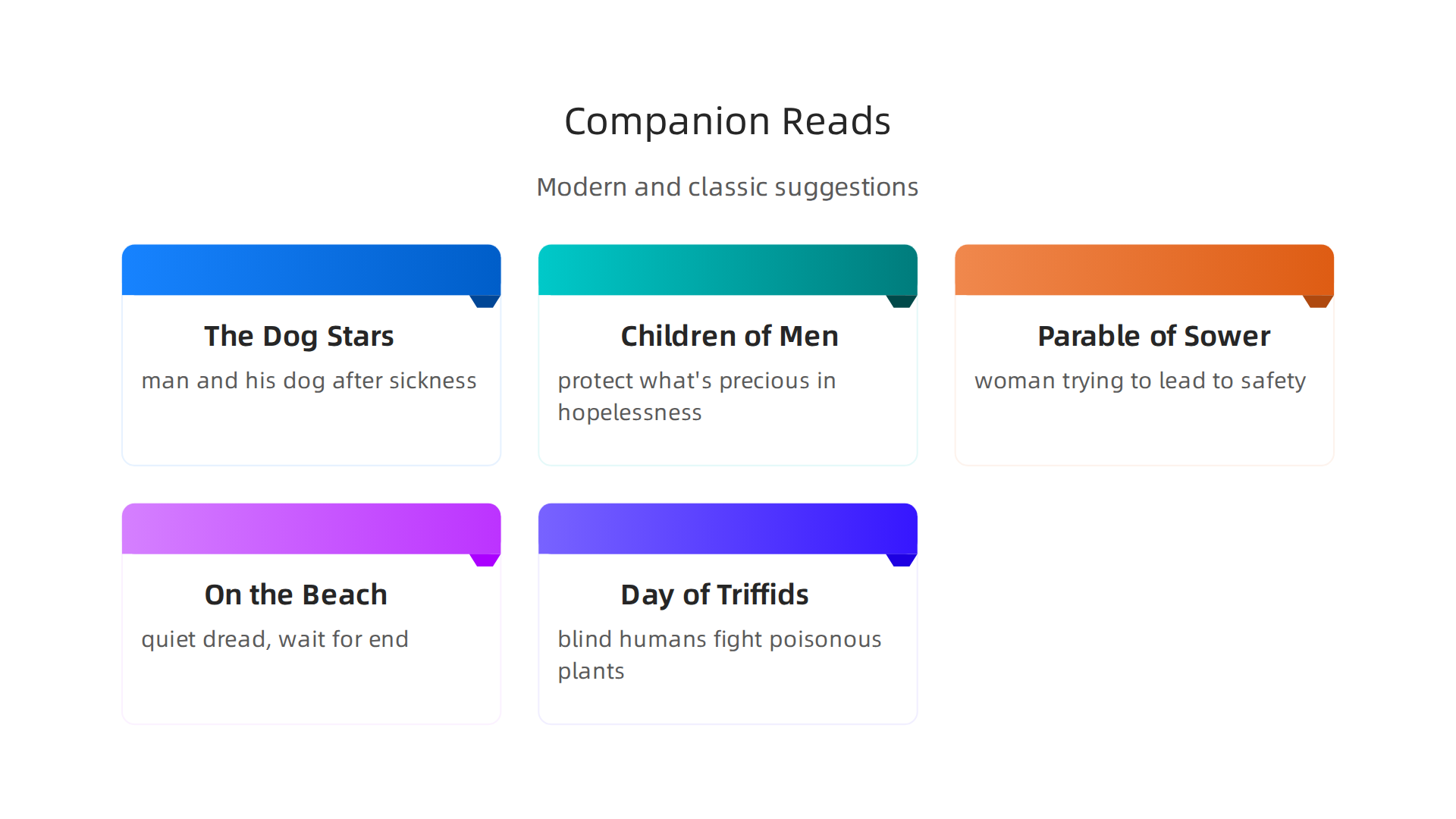
- The Dog Stars by Peter Heller: If you enjoyed the quiet but heartbreaking beauty of "the road book," you’ll like this one. It tells the story of a man and his dog living alone after a sickness wiped out most people. It’s about finding hope in a broken world and keeping a kind heart. Many readers feel it’s a top pick for books similar to The Road Best Books Similar to The Road | 20 Picks For Fans.
- The Children of Men by P.D. James: This book also looks at a world without much hope, but it focuses on how people keep trying to protect what’s precious. It’s about family and what it means to keep going when the future seems very dark. Experts often point to this book for its deep look into parenthood and hope in tough times Books Like The Road by Cormac McCarthy: 7 Bleak, ….
- Parable of the Sower by Octavia E. Butler: This classic science fiction book, first published a while ago but still very timely, shows a world falling apart and a young woman trying to lead a group to safety. It’s a powerful story about survival and building a new way of life. Many who enjoy dystopian themes find it very similar to "the road book" Dystopian books similar to The Road by McCarthy? – Goodreads.
- Fight Club by Chuck Palahniuk: While not about physical survival in a ruined world, the Fight Club book explores a different kind of breakdown. It dives into how someone deals with modern life’s challenges and searches for meaning in extreme ways. It’s a cautionary tale about finding meaning in rebellion, and many consider it a life-changing read Books To Base Your Life on (The Reading List).
Classic Books to Consider
Sometimes, older books capture feelings of struggle and hope in ways that still feel fresh today:
- On the Beach by Nevil Shute: This book offers a sense of quiet dread as people wait for the end of the world after a nuclear war. It’s a sad but deeply human look at how people choose to spend their last days.
- The Day of the Triffids by John Wyndham: Another tale of survival after a major disaster. This time, blind humans must fight giant, moving, poisonous plants. It’s a classic for good reason, showing how society changes when pushed to the brink.
Why These Pairings Work
These books connect with "the road book" because they share important ideas. They all make you think about survival, hope, the bonds between people, and what it means to be human when everything else is gone. They explore the good and bad parts of people when faced with extreme hardship. As a book reader, going through these stories can deepen your understanding of these big questions.
Reading Order Options
You can read these books in different ways depending on what you want to experience:
- For similar vibes: Read The Dog Stars right after "the road book" to stay in a similar mood of quiet reflection and hard-won hope.
- For more hope in darkness: Follow "the road book" with The Children of Men to explore the strength of family and the search for light.
- For a different kind of challenge: If you want to think about internal struggles and how society affects us, the Fight Club book offers a unique contrast.
- To explore more free reads: If you’re always looking for new stories, you can check out some great top platforms and apps for free books to read online in 2026.
Exploring these companion reads will not only expand your bookshelf but also give you new ways to think about the world and yourself. To keep up with new book discoveries, creative ideas, and community challenges, be sure to Join The Newsletter for ongoing updates.
After exploring companion reads that deepen your connection to stories like "the road book," you might wonder how to share these powerful experiences with others. Whether you’re a teacher, a book club leader, or just a passionate book reader, there are great ways to guide discussions and learning around challenging and thought-provoking books.
Teaching, book clubs & discussion guides: practical tools
Using a book like "the road book" in a classroom or a community group can be very rewarding. It lets people think deeply about hard topics like survival, hope, and what it means to be human. To make these discussions helpful and safe, planning is key.
Lesson plans and discussion templates
When teaching "the road book," it’s good to have a clear plan. Teachers often find it useful to think about what students should learn from such deep texts, especially given their difficult nature The Road By Cormac Mccarthy – UCLA. You can create a simple lesson plan that sets goals for what everyone will discuss, like themes of family, love, or perseverance.
Here are some ideas for your templates:
- Set Clear Goals: Decide what important ideas you want your group to explore from "the road book." Is it about human kindness? The meaning of hope?
- Discussion Guidelines: It’s smart to share rules for how people should talk to each other. This helps everyone feel safe and makes sure discussions stay respectful and active Writing Effective Discussion Guidelines. For example, you can encourage everyone to contribute and listen to others.
- Starting Questions: Have some questions ready to get the conversation going. For a challenging book like "the road book," these questions should be open-ended, meaning there’s no single right answer. This helps everyone share their unique thoughts. You can also find ideas for crafting lesson plans to help structure these activities 38 Lesson Plans.
Adaptations for different age groups and emotional readiness levels
"The road book" can be very intense, so it’s important to think about who you’re sharing it with.
- For Younger Readers (or sensitive adults): Instead of focusing on every sad or scary detail, you can guide discussions toward the deeper messages. Talk about the strong bond between characters, the small acts of kindness they show, or how they keep going even when things are very tough. The goal is to encourage asking questions and exploring ideas, rather than finding fixed answers Journal of Catholic Education.
- Create a Safe Space: Before you even start reading, talk about how some parts might be difficult. Let everyone know it’s okay to feel strong emotions and that the group is there to support each other.
Assessment ideas and prompts that foster active participation and empathy
You want to know if people understood the book and thought about its lessons, right? But for a book like "the road book," a simple quiz might not be enough.
- Encourage Everyone to Speak: Some people are shy. You can use strategies like giving a few minutes for quiet thinking before asking for answers, or having people chat in pairs first. This helps even quiet students share their ideas Class discussion – CATL Teaching Improvement Guide.
- Student Roles: Sometimes, giving people specific jobs in a discussion group helps them get more involved. Someone could be the "question asker," another the "summarizer," and another the "challenger" who asks for more details Learning Through Discussion.
- Empathy Prompts: Ask questions that make people think about how they would feel in the characters’ shoes. For example: "If you were the child in ‘the road book,’ what would give you hope?" or "How do the characters’ actions show what they value most?" These kinds of questions help build empathy.
By using these tools, you can turn a powerful story like "the road book" into a chance for everyone to grow, learn, and connect more deeply. It’s about moving beyond just reading words on a page to truly understanding the world and ourselves. To keep improving how you engage with books, consider exploring new ways to connect with stories and ideas, such as through open book thinking.
Ready to turn your insights into action or connect with others who love exploring big ideas through books? Join in and become part of a community that celebrates curiosity and shared experiences.
After exploring companion reads that deepen your connection to stories like "the road book," you might wonder how to share these powerful experiences with others. Whether you’re a teacher, a book club leader, or just a passionate book reader, there are great ways to guide discussions and learning around challenging and thought-provoking books.
Creative projects and community experiments inspired by The Road
Sometimes, reading a book like "the road book" can make you want to do more than just talk about it. It can make you want to create something or join others in a special project. This is a powerful way to deal with big feelings and ideas that come from a deep story. In fact, using books to help with feelings and thinking is a real thing called bibliotherapy Bibliotherapy: What It Is, How It Helps, and More. It can help you look at your own life in new ways Bibliotherapy as a Non-pharmaceutical Intervention to … – PMC. People are even turning to it to improve their mental health in 2026, finding that fiction can truly open up something inside them ‘It opened up something in me’: Why people are turning to bibliotherapy.
Low-risk creative projects
You don’t need to be an artist or a writer to get creative. These projects are simple and fun:
- Micro-Essays: After reading "the road book," try writing a very short piece about a feeling it gave you. Maybe write about hope, sadness, or the strong love between the father and son. This is a low-stress way to share your thoughts.
- Visual Prompts: Draw a picture, take a photo, or find an image online that reminds you of a part of the story. It could be a lonely road, a warm fire, or a small act of kindness.
- Collaborative Playlists: Work with friends to make a music playlist. Each song should match a mood or a scene from "the road book." This lets everyone share how they felt about the story through music.
Designing community experiments to reduce isolation
Reading can sometimes feel like a solo activity. But what if it didn’t have to be? "Participatory reading" is a big trend in 2026, connecting people online and offline to enjoy books together Korea Is Now in the Middle of a ‘Participatory Reading’ Challenge.
- Book Challenges: Start a group reading challenge. You could pick books similar to "the road book" that explore survival and human spirit. Think of books like the classic "fight club book" or the epic "lonesome dove book" for different kinds of deep dives. Simple reading challenges are easy to stick with and motivate more readers Reading Challenge Ideas for Your Community: Year … – Automateed.
- Share Your Reading: Use online groups or social media to share your favorite quotes or thoughts as you read. This can help other book reader friends feel less alone and spark new conversations.
- Community Book Discussions: Organize regular online or in-person meetings to talk about the book. Even sharing where you find top platforms and apps for free books to read online in 2026 can help bring people together. Building these reading communities makes a big difference How We Build Reading Communities.
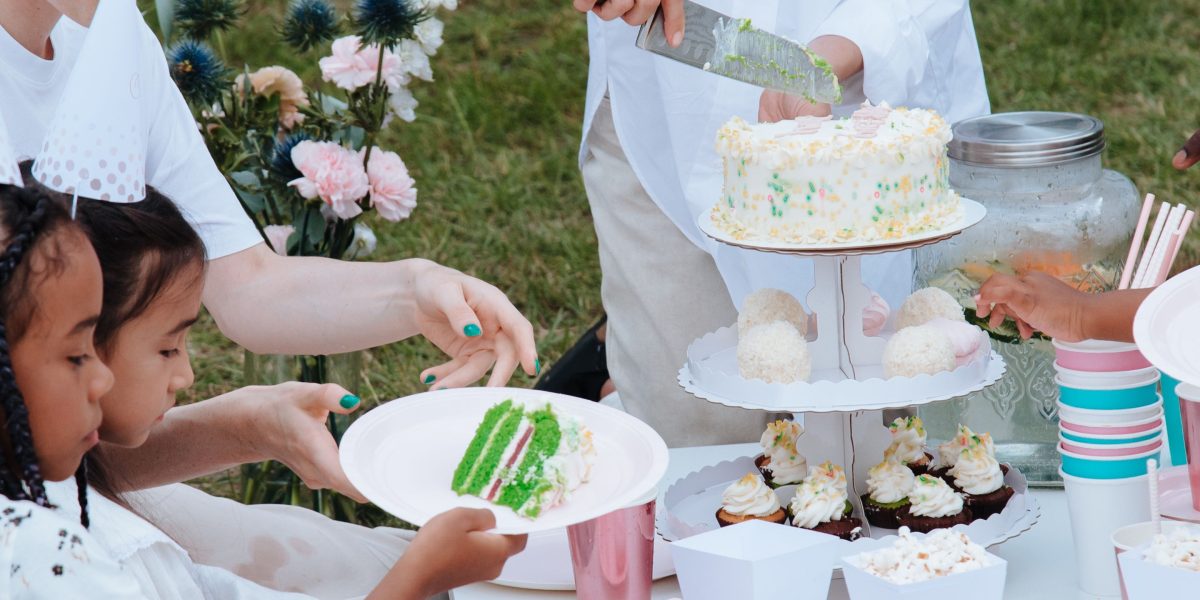
These experiments help turn passive reading into active participation, creating real connections. Ready to try out these ideas and connect with others?
Ways creators and brands can adapt these experiments
Creators and brands can use these ideas to connect with their audience in a fun and meaningful way.
- Host Themed Events: A brand could host an online event where people discuss "the road book" or a similar story. They could invite guest speakers or authors to share their thoughts.
- Launch Creative Contests: Ask people to submit their micro-essays, visual art, or playlists based on the book. This creates excitement and lets people show off their talents.
- Build a Community Around a Narrative: Platforms like "The Ridiculous" are built to help creators and brands offer engaging experiences that move beyond just reading.

They turn shared stories into chances for laughter, action, and recognition. This helps people escape endless doom scrolling and feel more connected. If you’re a creator looking for the best website tools for creators in 2026 to make these kinds of experiences, there are many options.
By using these creative projects and community experiments, you can deepen your own understanding of "the road book" and help others do the same. It’s all about finding new ways to engage with stories and each other.
To join a global community focused on turning curiosity and inspiration into action, results, recognition, and shared participation, consider taking a step beyond passive reading today.
Join An Experiment
Summary
Cormac McCarthy’s The Road remains a powerful book because it pairs stark storytelling with deep human truths about survival, love, and hope. This article explains why the novel still resonates in a noisy digital era, breaks down its core themes and minimalist techniques, and shows how those elements create emotional intensity. It also offers practical ways readers can turn the book into personal growth—through bibliotherapy, journaling prompts, and guided reading—and suggests companion reads to deepen the experience. For teachers, book-club leaders, and creators, the piece supplies discussion templates, safety tips for sensitive readers, and ideas for low-risk creative projects and community experiments. Finally, it points to tools and platforms to find free reading materials and to build shared reading experiences that move beyond passive consumption.